
What buyers usually mean when they ask about a Haitian injection machine
A Haitian injection machine is often one of the first names buyers hear when they start comparing plastic molding equipment, and for good reason. Haitian has long been associated with large-scale production machines for molded plastic parts, so the brand tends to come up whether a team is planning a new line, replacing aging equipment, or scanning the market for a used injection machine. The real question, though, is not just brand recognition. It is whether the machine layout, condition, and control setup fit the parts you want to produce, the molds you already have, and the production volume you need to support.
That matters because injection molding is rarely bought in the abstract. Engineers look at clamp force, injection capacity, platen size, and process stability. Sourcing managers look at total ownership cost and support. Product teams care about whether the machine can make a part consistently without forcing design compromises downstream. A second hand injection machine may look attractive on paper, but the wrong choice can create a bottleneck that shows up later as scrap, maintenance, or unstable cycles.
Quick reference: what the machine in view tells a buyer
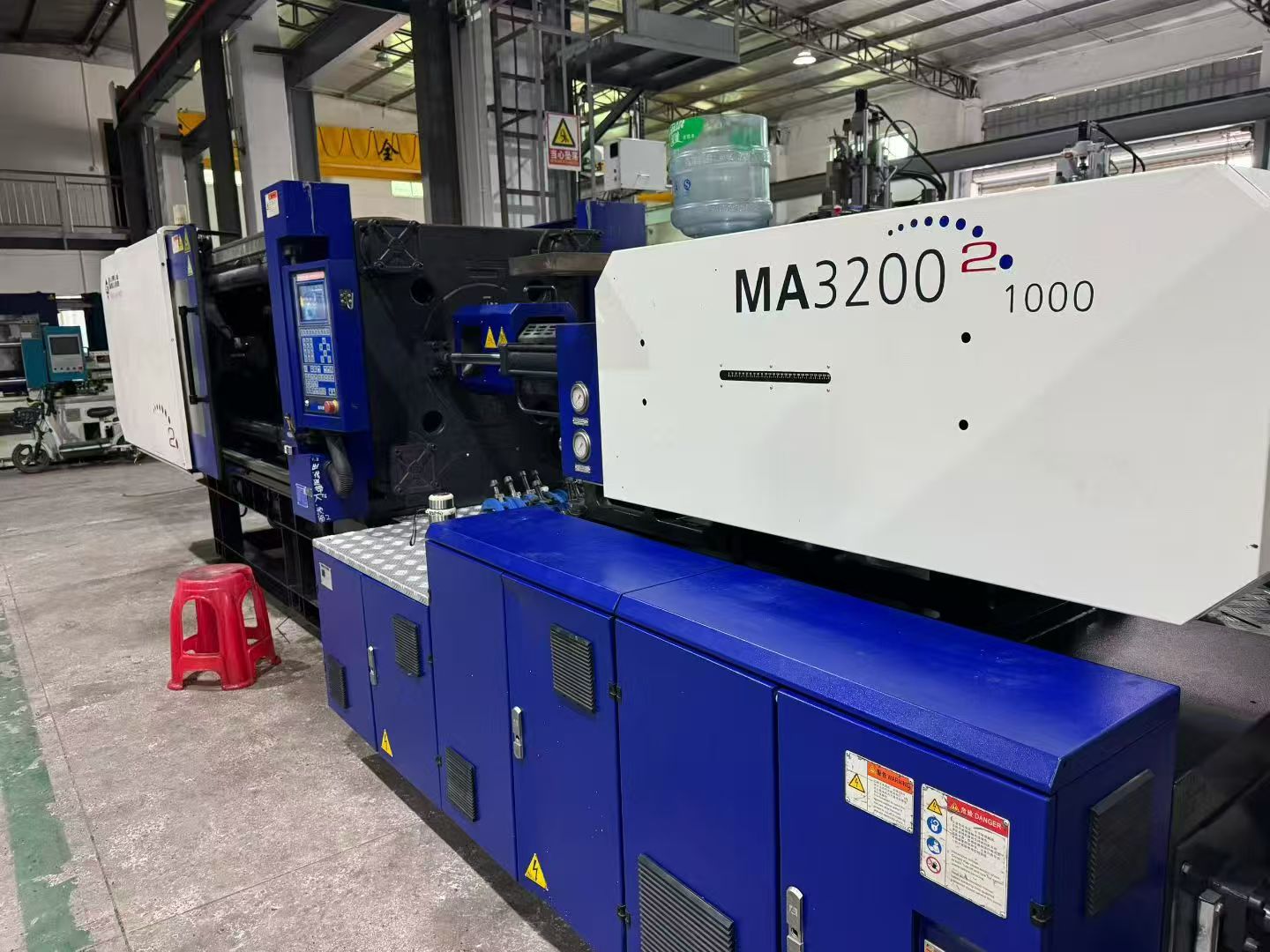
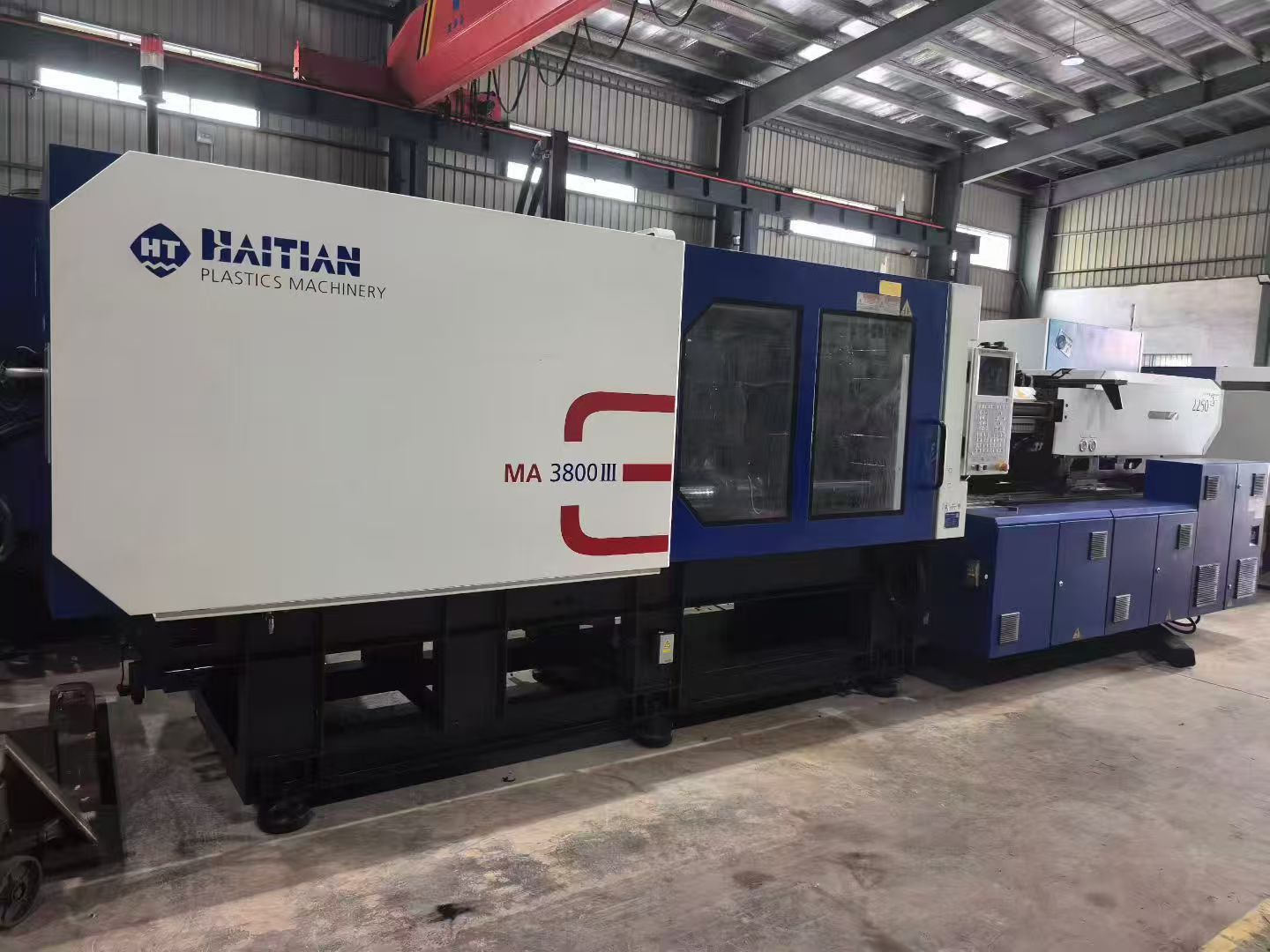
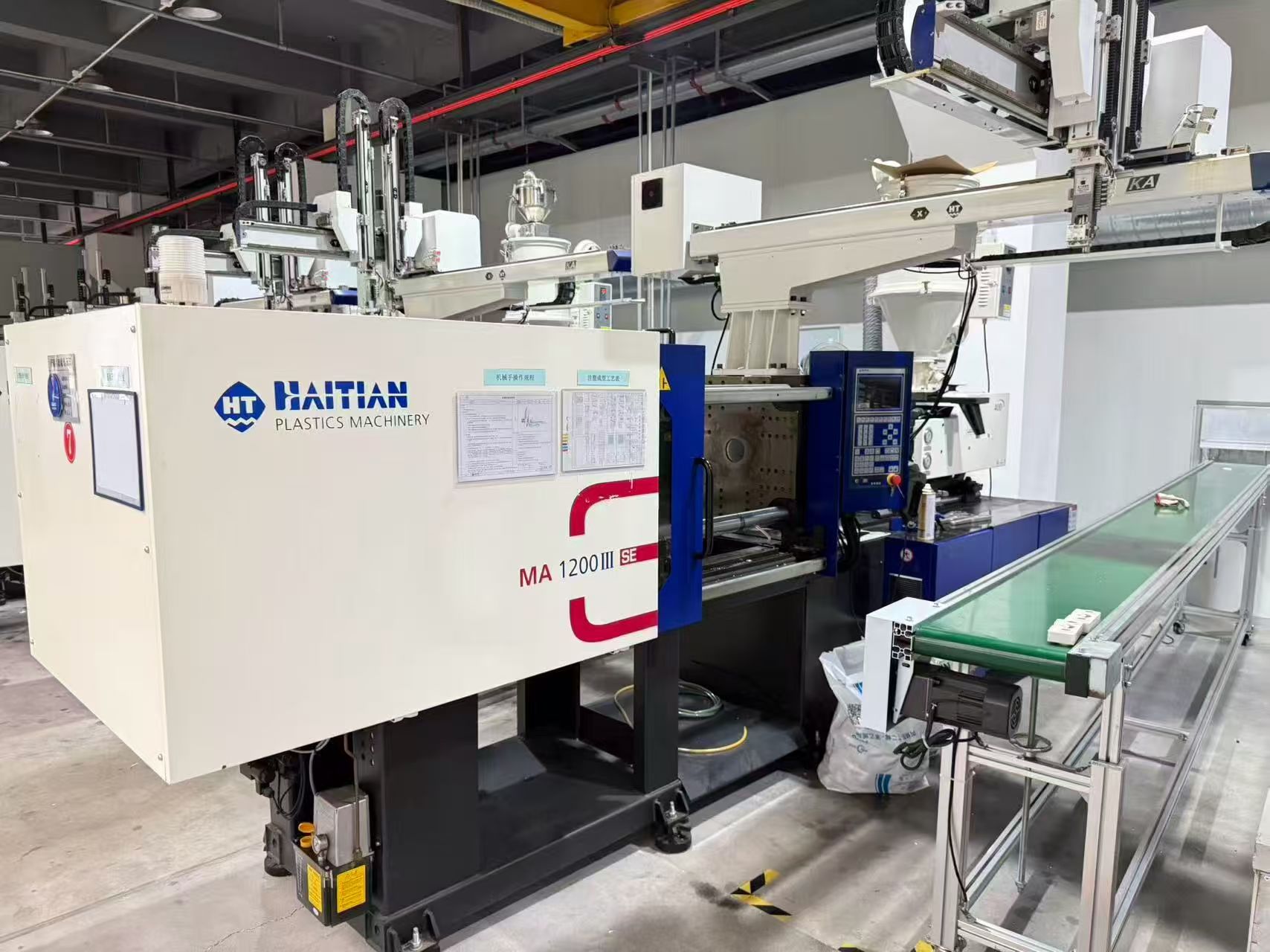
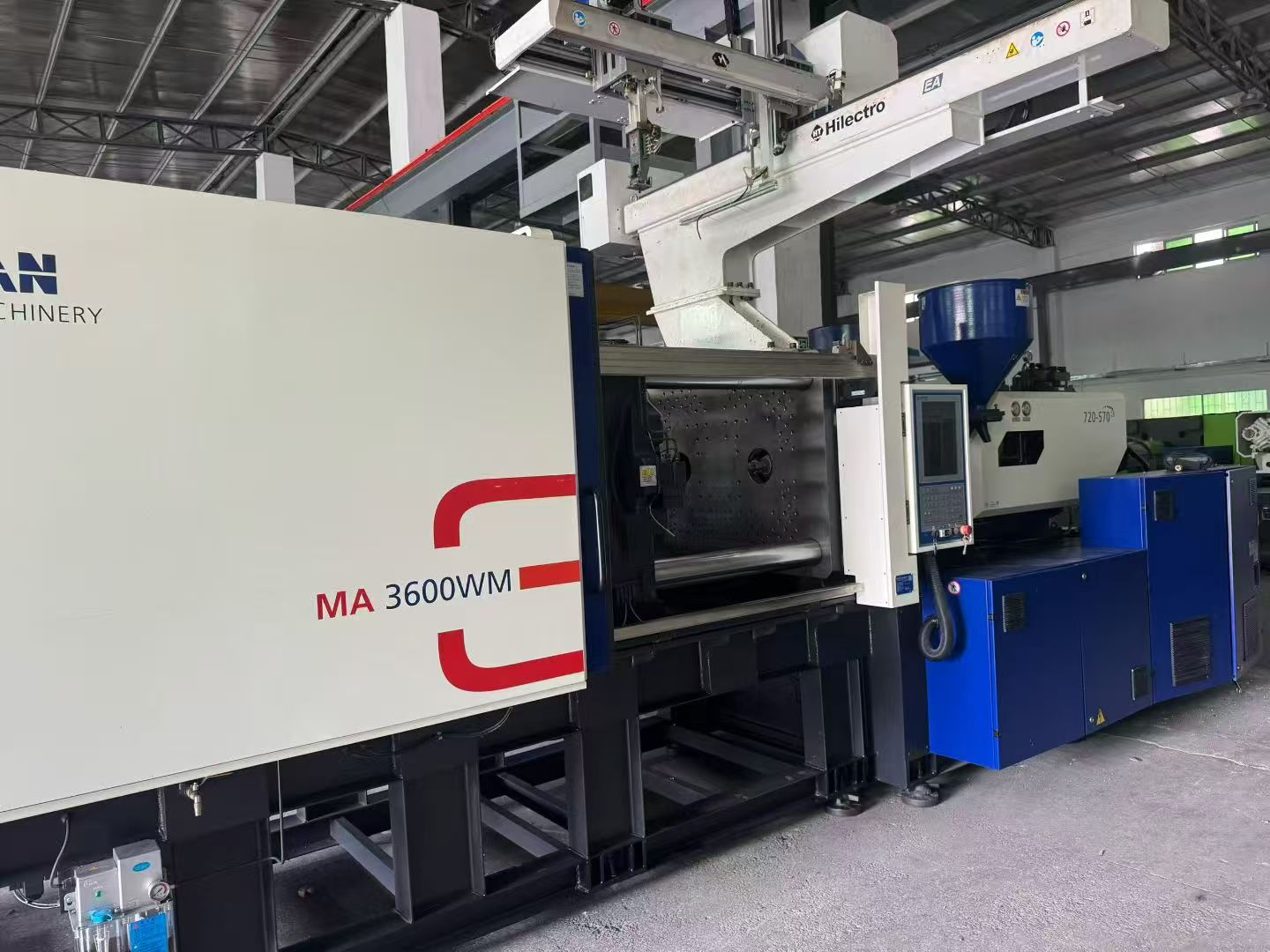
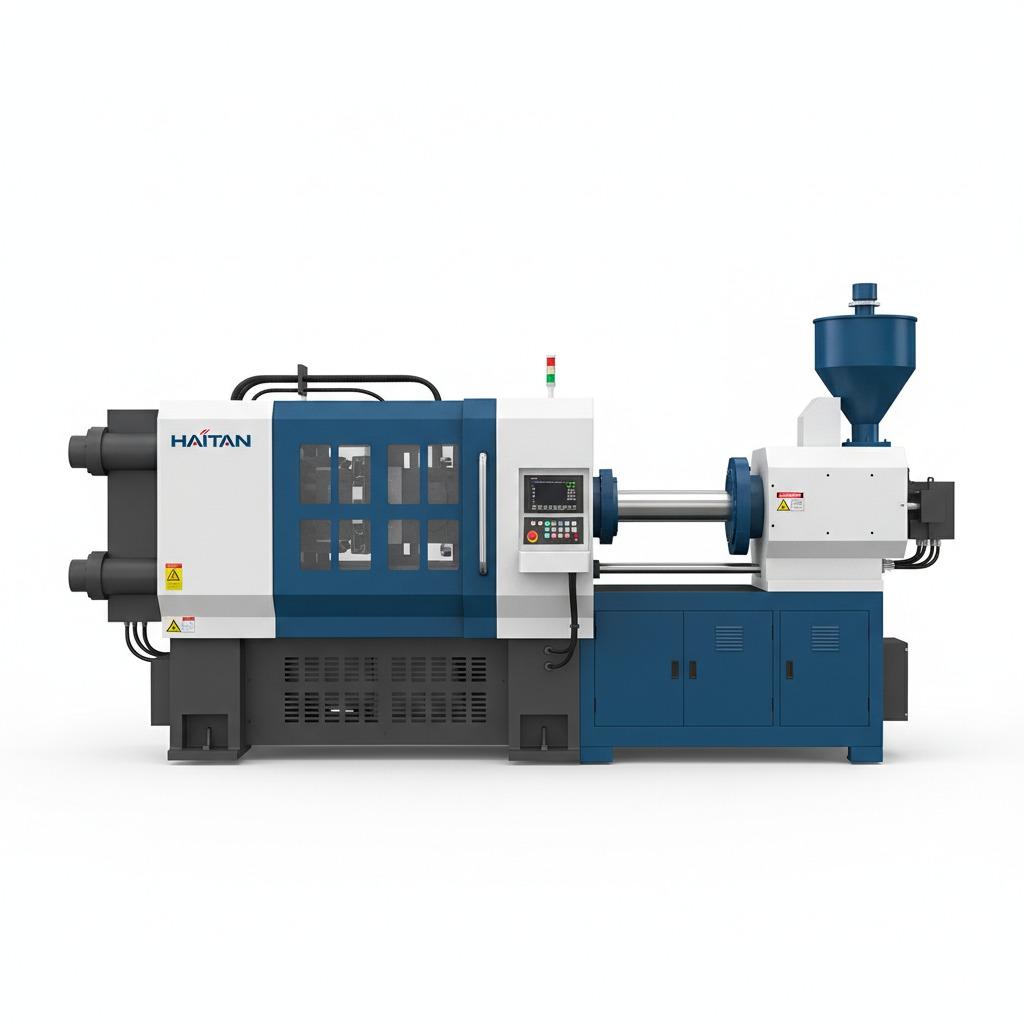
The machine shown is a horizontal plastic injection molding system with an integrated clamping unit, injection barrel, top-mounted hopper, guarded mold area, and a heavy floor-mounted frame. That is the basic architecture buyers expect in production-scale molding equipment. The visible layout suggests a machine built for forming plastic pellets into molded components under pressure, using a closed mold inside a safety enclosure.
One visible marking appears to reference Haitian Plastics Machinery MA 5300III SE on the left housing, while another section shows a “4000” marking on the right side. Those markings may help identify the machine family, but they do not by themselves confirm the full specification. A cautious buyer should treat them as clues, not as a complete datasheet.
Why Haitian-branded machines are often in the discussion
In the injection molding market, Haitian is commonly associated with high-volume plastic processing equipment. Buyers often bring the name into conversations when they want a machine that can support mass production of parts such as automotive components, consumer goods housings, industrial fittings, and packaging-related items. That makes sense: these are the kinds of jobs where repeatability, robust frame construction, and dependable mold handling matter more than decorative features.
For many plants, a Haitian machine is not a luxury purchase. It is a working asset expected to run day after day in a demanding environment. The appeal lies in the balance between production capacity and cost discipline. Geerpower Industrial Co., Ltd. describes its own role in this space as supplying cost-effective industrial machines and technical support for the plastic industry, and that kind of service backing is often just as important as the hardware itself. A strong machine without responsive support can still become an operational problem.
New machine or used injection machine: the decision point that really matters
The search often narrows to one question: should you buy new or choose a second hand injection machine? There is no universal answer, but the decision becomes clearer when you compare the practical risks.
When used equipment can make sense
A used injection molding machine can be a smart option when the process is stable, the mold is well understood, and the buyer wants to control capital expenditure. It can also suit expansion projects where a company needs to add capacity quickly without waiting for a fully custom new build. If the machine has been maintained properly and the seller can support inspection, spare parts, and installation planning, used equipment may deliver real value.
Where used equipment needs caution
The caution is that a used injection machine is never just “a cheaper version” of a new one. Wear in the screw, barrel, tie bars, clamping mechanism, hydraulics, or controls may not be visible at first glance. Even if the machine powers up, hidden issues can show up only during extended production. That is especially true for machines that have been moved, stored poorly, or operated in harsh conditions. Buyers should assume that cosmetics tell them almost nothing about process health.
Core components buyers should examine first
When evaluating a Haitian injection machine, or any used injection molding machine in this category, the first look should focus on the main assembly rather than on surface finish. The visible structure in the machine image gives a useful checklist.
The clamping area should be fully guarded and mechanically sound. Transparent safety doors are a practical sign because they allow visibility while keeping operators away from the mold area. The injection barrel and screw section should show no obvious signs of damage, leakage, or improvised repair. The hopper and feed section should be intact and clean enough to suggest reasonable maintenance. The base frame and cabinet enclosure matter too, because they support rigidity and protect internal systems.
Control access is another point that is often underestimated. A machine with a usable interface is much easier to integrate into a shop than one with an obsolete or poorly supported panel. It is not just about buttons and screens; it is about whether operators can set, monitor, and repeat the process with confidence.
What this kind of machine is typically used to make
Large horizontal injection molding machines like this are commonly used for mass-production plastic part manufacturing. The exact part depends on mold design and machine capability, but typical applications include automotive parts, appliance housings, packaging components, consumer goods shells, industrial fittings, and other molded plastic parts where repeatability and throughput are important.
That said, buyers should avoid assuming that every large machine is suitable for every large part. A part with thin walls, high cosmetic requirements, or unusually demanding dimensional needs may need different process tuning than a rugged industrial fitting. The mold, resin, and machine must work as a set. A mismatch there is a frequent source of frustration on the production floor.
Selection criteria that matter more than brand names
Brand can narrow the field, but it should not finish the job. Engineers and sourcing teams usually need a tighter filter.
Start with the part size and mold requirements. Then review the clamping arrangement, available platen space, injection unit size, and general machine layout. After that, ask what resin family will be processed and how stable the production window must be. If you are sourcing a used injection molding machine, ask for service history, maintenance records, and any signs of major component replacement. If those records are missing, proceed as if you are buying with incomplete information, because you are.
Safety design also matters. The visible enclosure in the image is not decorative. It reflects the basic expectation that operators should be protected from the mold area during operation. That is a normal requirement in modern plants, but buyers should still confirm that guarding, interlocks, and operator access are appropriate for the intended line setup.
Common mistakes buyers make with second hand injection machine purchases
The most common mistake is focusing on the nameplate and ignoring the wear points. Another is assuming that a machine which once ran well in another factory will automatically run well in the new one. Different molds, different resin lots, different utilities, and different operator habits can expose problems very quickly.
A second mistake is underestimating installation and support. Injection molding equipment is heavy, power-hungry, and sensitive to setup quality. If the machine is not aligned, connected, and commissioned properly, even a good asset can behave badly. Geerpower Industrial Co., Ltd. emphasizes service support and technical assistance in its company profile, and that is a useful reminder: the machine and the support plan should be bought together.
Finally, do not treat a low purchase price as the end of the discussion. Spare parts availability, control compatibility, and downtime risk can easily outweigh an attractive initial deal. A bargain that blocks production is expensive in a different way.
Buyer checklist before you commit
If you are reviewing a Haitian injection machine or a similar used injection machine, a practical checklist helps keep the process grounded.
Confirm the visible condition of the frame, guarding, injection section, and hopper feed. Ask for the exact model identification if available, but verify it against the machine itself. Review whether the control interface is operational and understandable for your team. Check whether the machine is suitable for your part family, not just for plastic molding in general. If possible, request a live test or at least a documented run record. And do not skip the basic question of who will support installation, startup, and after-sales issues if something behaves unexpectedly.
FAQ: short answers buyers usually need
Is a Haitian injection machine always a large machine?
Not necessarily, but the brand is often associated with production-scale equipment. The exact configuration depends on the model and application.
Can a second hand injection machine be reliable?
Yes, if it has been maintained well and inspected carefully. Reliability depends more on condition and support than on age alone.
What should I inspect first on a used injection molding machine?
Focus on the clamping unit, injection barrel and screw, hopper feed, frame rigidity, guarding, and control interface.
Is the machine in the image enough to specify a purchase?
No. The image shows useful structural details, but buyers still need full technical specifications and operating history before making a decision.
A practical next step for sourcing teams
If you are evaluating a Haitian injection machine or comparing a used injection machine against new equipment, the best next step is to build a short technical comparison around the actual part, mold, and production target. That keeps the conversation anchored in manufacturing reality instead of brand assumptions. Geerpower Industrial Co., Ltd. positions itself as a partner for machines, technical support, and after-sales service in the plastic industry, which is the kind of backing many buyers want when they are trying to reduce risk without overspending.
In other words, start with the machine image, but do not stop there. A good purchase is the one that fits the process, runs steadily, and can be supported when production pressure rises. That is the standard worth using before money changes hands.