
What a second hand plastic injection molding machine really offers
A second hand plastic injection molding machine can be the fastest way for a factory to add capacity without waiting for a long equipment build or committing to a full new-machine budget. That is the simple version. The less comfortable version is that used equipment can either become a reliable profit center or a maintenance headache, depending on how well the buyer matches the machine to the job.
For sourcing managers and engineers, the real question is not just whether the machine runs. It is whether the machine can support the part, the mold, the resin, and the production rhythm you actually need. In a plant making automotive clips, appliance housings, packaging components, electronics parts, or general industrial items, a used press can still be a strong buy if it has the right clamping layout, a sound injection unit, and a maintenance history that makes sense.
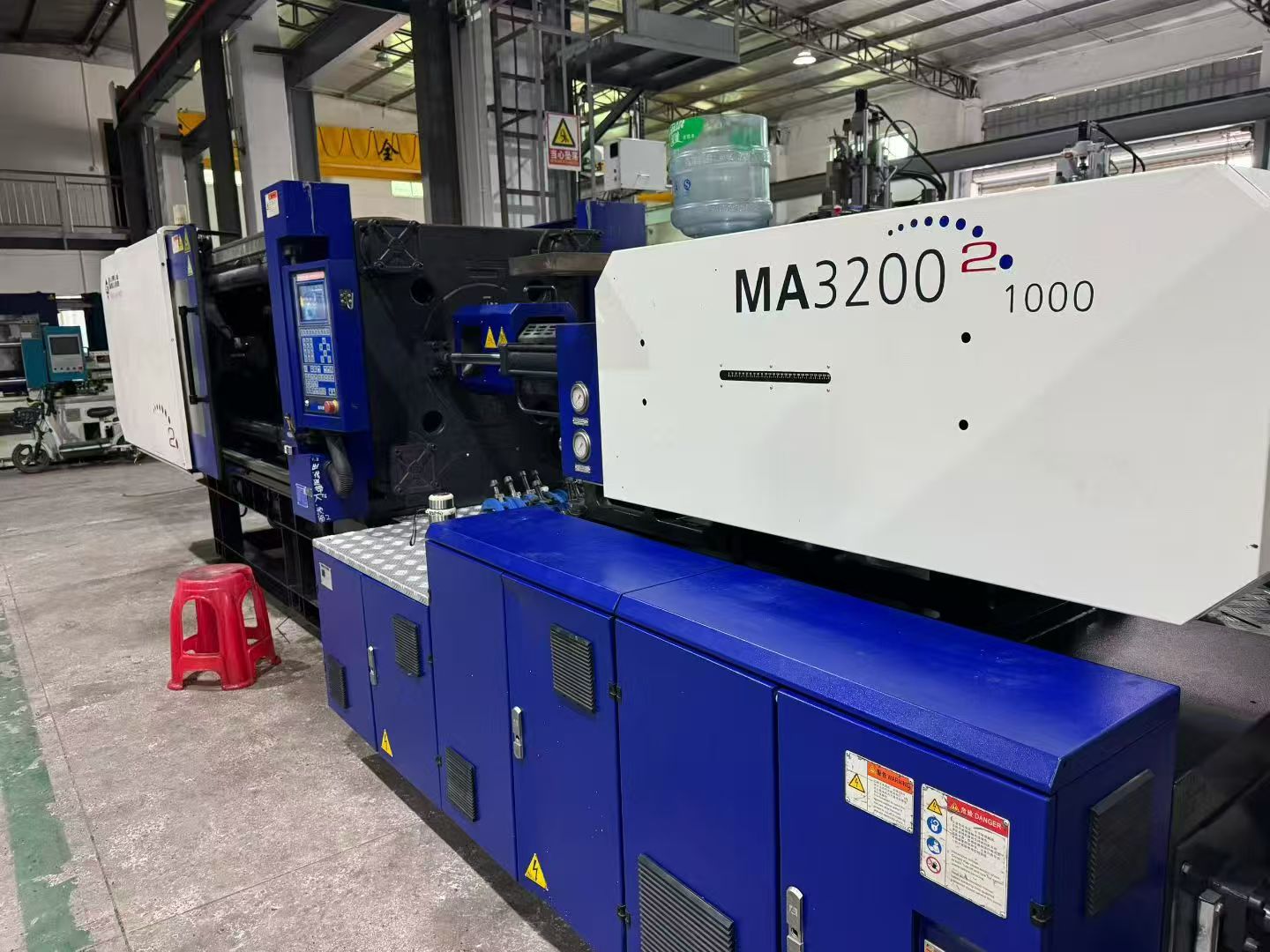
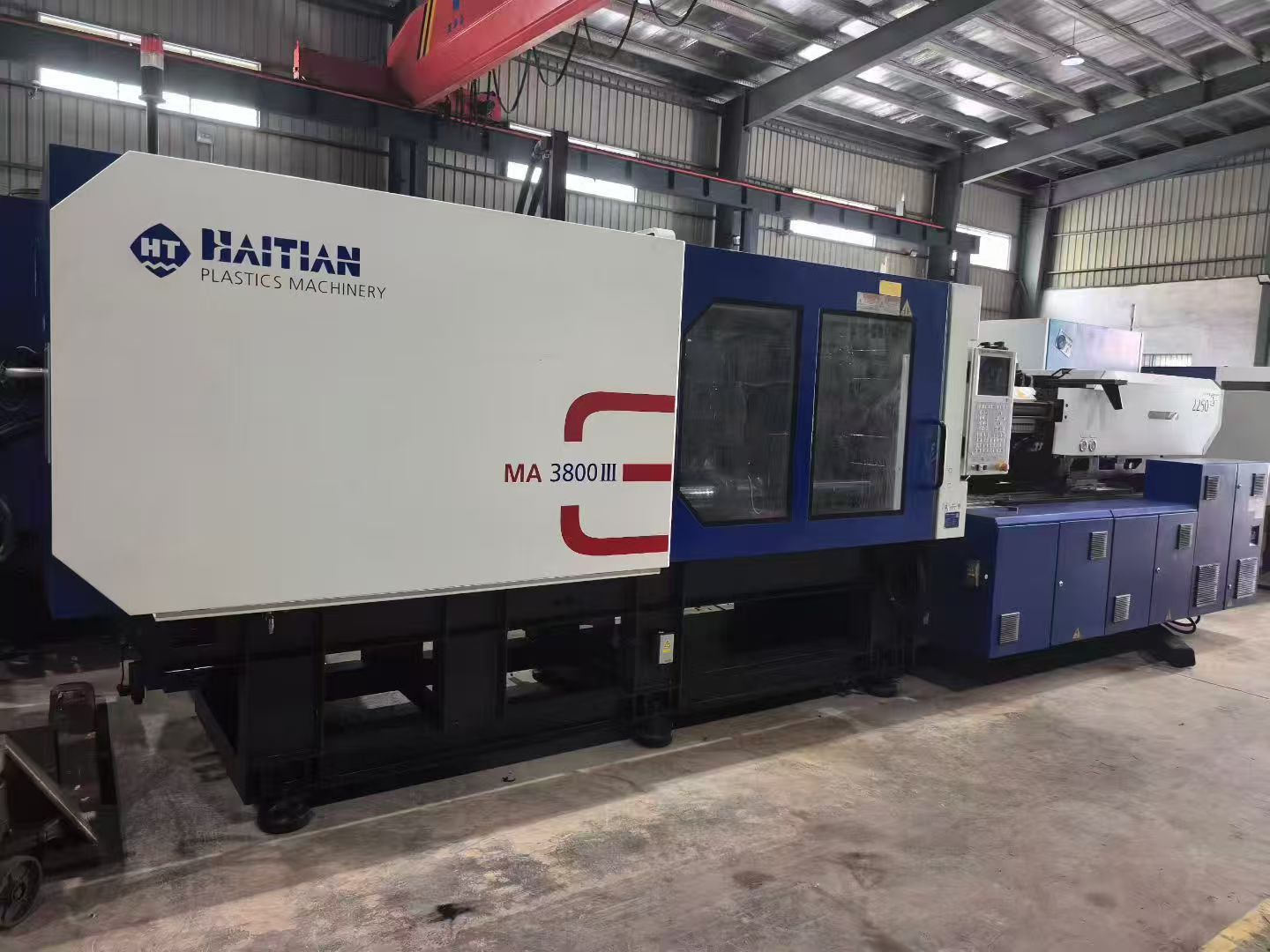
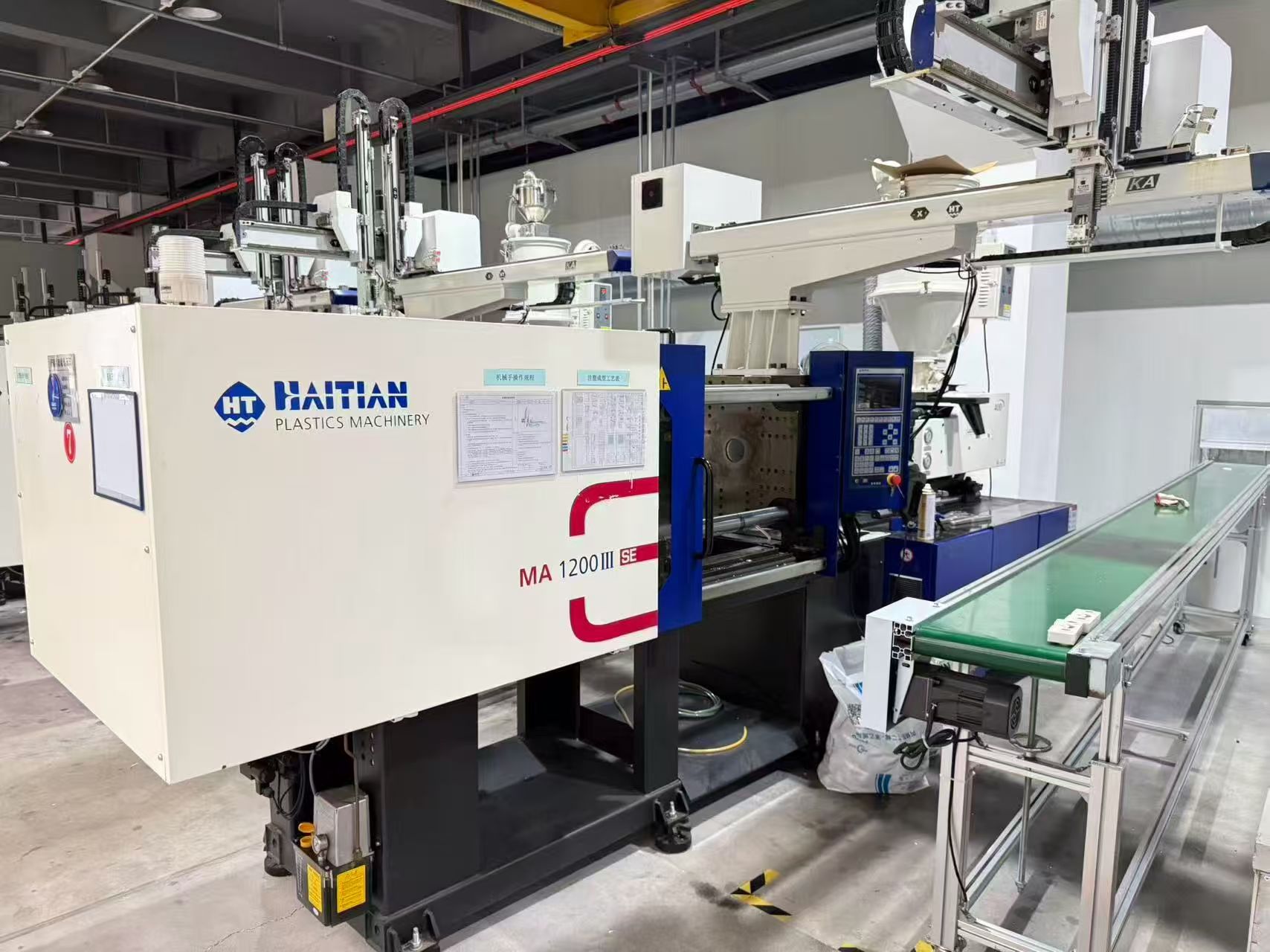
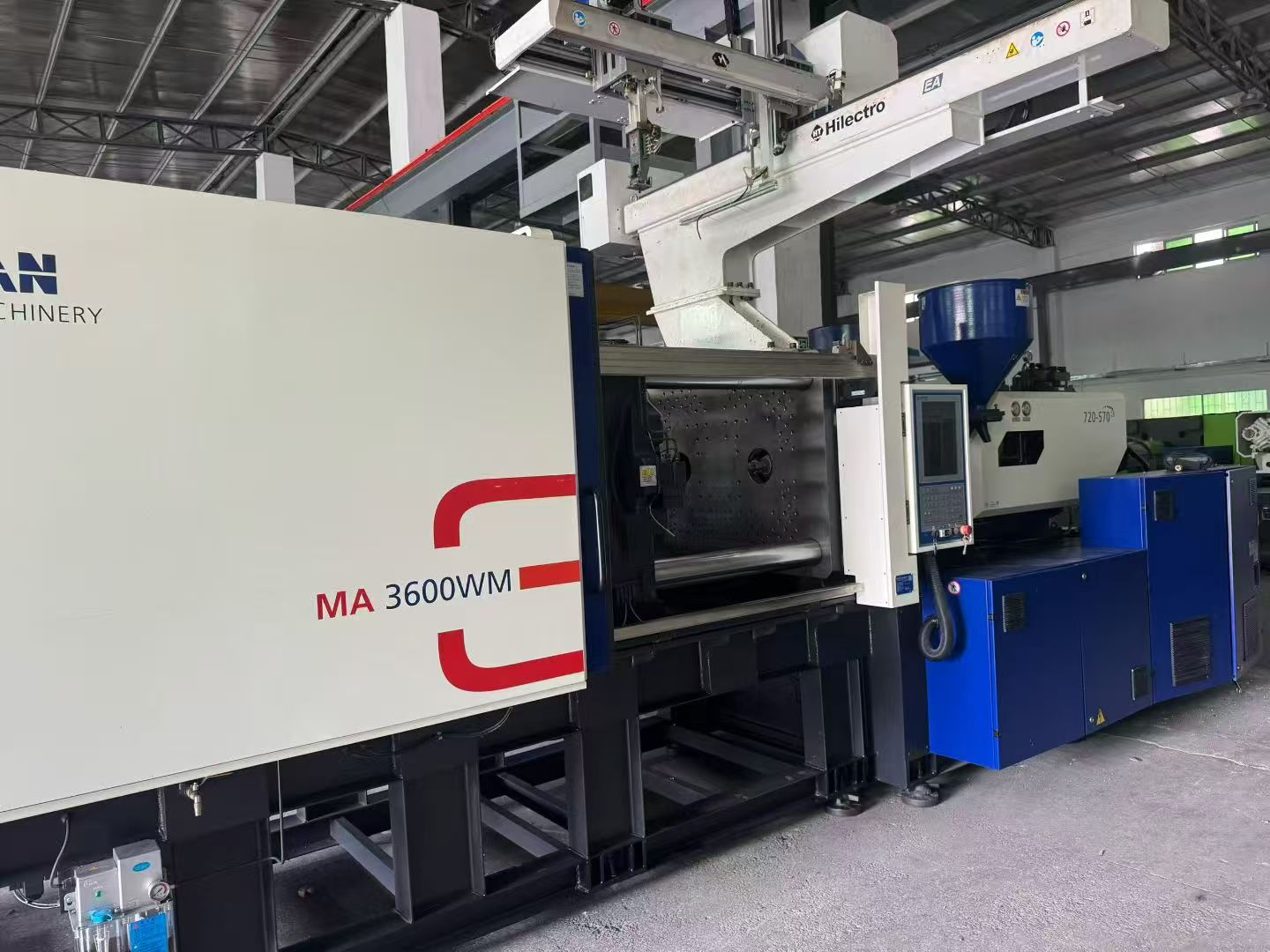
The machine category itself is straightforward: a plastic injection molding machine heats thermoplastic pellets, plastifies the material in a screw and barrel, and injects the melt into a mold under pressure. The visible machine described here appears to be an industrial Haitian Plastics Machinery unit, with a marking that reads MA 5300 III SE, a horizontal clamping and injection layout, a hopper feed system, and a guarded mold area. Those are useful clues, but they are not a substitute for a proper inspection.
Why buyers consider used injection molding equipment
The market for used injection molding equipment stays active for one reason: capital pressure. Many plants need production capacity sooner than a new machine can be sourced, delivered, installed, and integrated. Others want a backup press for overflow work, or a way to test a new product line before committing to a larger fleet.
There is also a practical manufacturing logic to it. Injection molding is highly repetitive by nature, so a well-maintained machine can remain useful for years after its first owner has moved on. The key is that “used” does not mean “generic.” A machine that was ideal for one mold family may be a poor fit for another. Tonnage, shot size, daylight, platen size, tie-bar spacing, control system, and screw condition all matter more than the sales listing headlines suggest.
Buyers who approach the market carefully often compare two questions at the same time: can I buy used injection machine capacity at a lower entry cost, and can I still keep quality stable enough for my customers? If the answer to both is yes, the case for used equipment becomes much stronger.
Quick reference: what to check before you commit
There are a few checks that should come before price negotiations. They are not glamorous, but they save more money than they cost.
- Match the machine envelope to the mold dimensions and part geometry.
- Confirm the condition of the screw, barrel, and injection unit.
- Inspect clamping movement, guarding, and base stability.
- Review control responsiveness and whether replacement parts are reasonably available.
- Ask how the machine was used: long runs, abrasive materials, frequent color changes, or maintenance gaps all leave different wear patterns.
A clean exterior can be misleading. Paint, panels, and guarding may look acceptable while the barrel or hydraulic system has hidden wear. On older equipment, that gap between appearance and performance is where buyers usually get caught.
How this type of machine fits production work
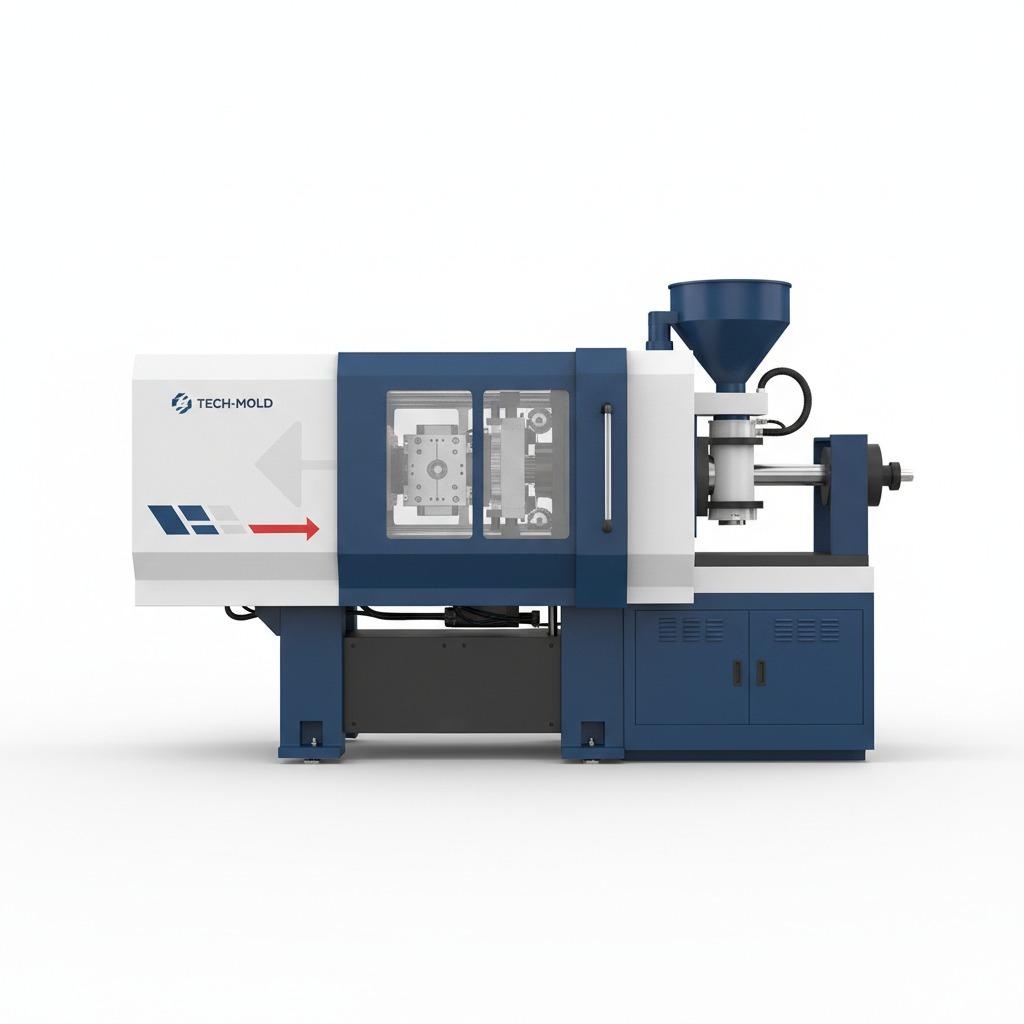
The machine described here appears to be a large enclosed industrial model with a heavy-duty steel base, integrated hopper feed on the right side, and a central guarded mold area. That layout is typical of horizontal injection molding machinery used for thermoplastic part production. In practical terms, it is the kind of machine built for repeatable, high-volume output rather than one-off jobs.
That matters because part buyers often underestimate the process demands of mass production. If your factory needs consistent cycle behavior, stable melt delivery, and predictable clamp performance, the machine’s basic structure becomes just as important as any brand name. A machine with a sound frame, proper guarding, and a visible injection unit arrangement may be a better risk than a cheaper, poorly documented press with unclear service history.
Geerpower Industrial Co., Ltd. positions itself around cost-effective industrial machinery and service support for the plastic industry, with a focus on manufacturing, R&D, design, and after-sales support. For a buyer, that combination matters because the acquisition of a used machine does not end at the sale. Installation, technical support, commissioning, and spare-parts planning often decide whether the equipment becomes productive quickly or sits idle while operators troubleshoot.
What to inspect on a second hand plastic injection molding machine
1. Clamping system
The clamp carries a lot of the operational burden, even when it is not the star of the show. Check for smooth movement, signs of abnormal wear, and any uneven behavior in the guarded mold area. If the machine has been stored poorly or run hard for years, clamp alignment can be the hidden problem that shows up later as flash, inconsistent parting lines, or mold wear.
2. Injection unit
The screw and barrel define how well the machine plasticizes material and delivers shot repeatability. Wear here often shows up as inconsistent part weight, poor shot recovery, or difficulty holding process settings. Buyers should ask whether the machine was used with filled resins, recycled material, or abrasive compounds. That detail can change the true condition of the injection unit more than the machine’s age does.
3. Hopper and feed path
The visible hopper feed system is useful, but it is only part of the story. Pellet flow, contamination control, and feed consistency all affect output. A blocked or damaged feed path can cause troublesome stops that are easy to blame on the operator when the real issue is mechanical.
4. Controls and cabinet condition
The control cabinet on the right side deserves a careful look. You are not only checking whether the screen lights up. You are checking for signs of heat stress, loose wiring, rough repairs, and whether the control behavior is stable enough for production. If the interface is obsolete or parts are scarce, even a mechanically sound press can become expensive to keep alive.
Common mistakes buyers make
One common mistake is buying on tonnage alone. Tonnage is important, but it does not tell you whether the machine can fit your mold, process your material efficiently, or maintain the cycle quality you need. A second hand plastic injection molding machine that looks “big enough” may still be wrong for the job if the shot size or platen area is off.
Another mistake is assuming that a low purchase price means low total cost. Used injection molding equipment often needs cleaning, transport planning, electrical checks, hose replacement, or tool-room adjustments before it becomes production-ready. Those are normal expenses, not surprises, but buyers sometimes forget to include them when comparing quotes.
And then there is the caution that experienced buyers know but newer teams sometimes ignore: the machine is only half the system. If your molds are worn, your drying setup is weak, or your resin supply is unstable, even a strong machine will not deliver good parts. The press is not a rescue tool for a broken process.
How to compare machines before you buy
When you are reviewing listings, the useful comparison is not a simple feature checklist. It is a production-fit comparison. Look at the intended product family, the material type, the cycle requirements, and the maintenance profile you are willing to support.
If two machines are similar in appearance, the one with clearer documentation and a more transparent service record is often the safer choice. If one has visibly better guarding, a cleaner hopper system, and less obvious corrosion or panel damage, that can also point to more careful handling. Still, you should verify the machine in operation whenever possible. A short test run tells you more than ten photos.
For plants that need recurring high-volume output, the machine’s ability to hold steady over long runs is often more important than any single feature. That is where reputable sourcing and post-sale support matter. Geerpower’s emphasis on technical support and after-sales guarantees speaks directly to this concern, since equipment value in the field depends on uptime, not brochure language.
Practical buyer advice for plant teams
If you are working on a purchase decision, start with the mold and the part, not the machine label. Write down the part dimensions, resin, expected annual volume, and any special process needs. Then compare the used machine against that actual workload.
Ask for operating history if it is available. Even incomplete records help. A machine that spent its life on moderate-duty cycles with regular maintenance is a very different proposition from one that ran hard, changed materials often, and received only emergency repairs.
Finally, think about service access. A used machine can be a smart asset only if your team can support it. That means spare parts, trained maintenance staff, and a supplier who does not disappear after shipment. This is where industrial buyers tend to be conservative for good reason. Once production starts, downtime costs more than most negotiated discounts.
Frequently asked questions
Is a used press always the better value?
Not always. It depends on the machine condition, the required production rate, and how much work is needed to install and stabilize it. The best value is usually the machine that fits the process with the least hidden repair burden.
Can one machine work for different plastic products?
Often yes, within limits. Injection molding machinery is used across automotive, appliance, packaging, consumer goods, electronics, and industrial sectors. But a machine still has to match the mold size, shot requirements, and material behavior. Versatility has limits.
What should I ask the seller first?
Ask for the machine model, visible condition, usage history, maintenance records, and any available test-run information. If the seller cannot explain how the machine has been used, proceed carefully.
Choosing the next step
If your team is evaluating a second hand plastic injection molding machine, the smartest move is to treat it like a production asset, not a bargain listing. Verify the fit to your mold, inspect the injection and clamping systems, and make sure support is available after delivery. A lower purchase price is only useful if the machine can be put into stable production without a long trail of fixes.
For buyers who need cost-conscious industrial machinery and support in the plastic sector, a supplier with both equipment knowledge and after-sales backing can simplify the process considerably. That does not remove the need for inspection, but it does reduce the chance that a used press becomes a stalled project instead of a working line item.