
Why a second-hand injection moulding machine still gets serious attention
A second hand injection moulding machine is often the fastest way for a plant to add capacity without waiting through the longer lead times and higher capital outlay that come with new equipment. For buyers in plastics manufacturing, that matters. A working machine can turn a stalled product launch into a running line, and a used asset can sometimes make the difference between bidding on a job or passing it up.
The catch is simple: used equipment rewards careful inspection. A machine may look complete on the floor, but the real questions sit inside the clamping unit, the barrel, the controls, the guarding, and the electrical cabinet. That is especially true when the machine will be expected to run repeatable production on parts where short shots, flash, or unstable cycles quickly become expensive.
What this machine tells a buyer at a glance
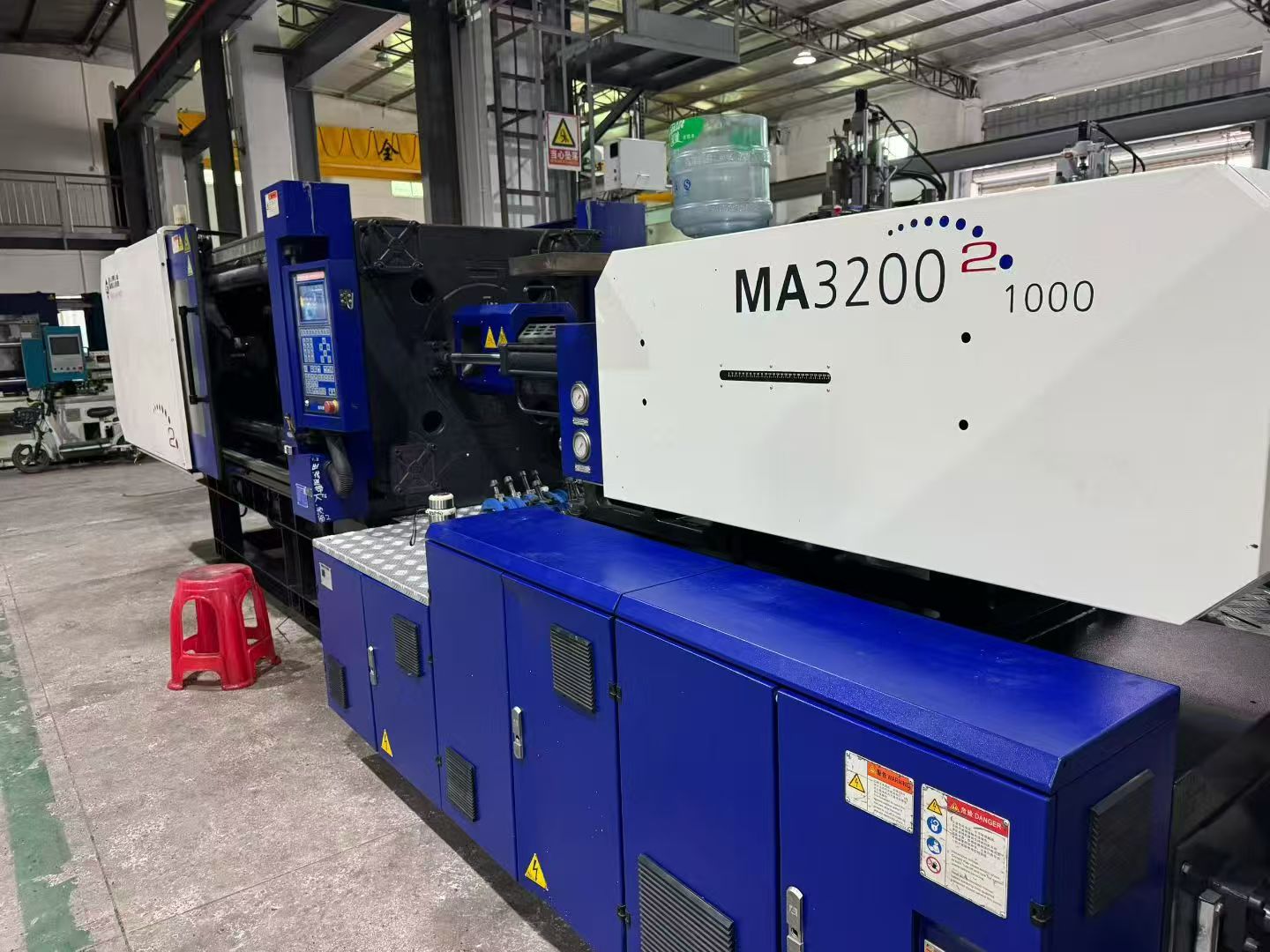
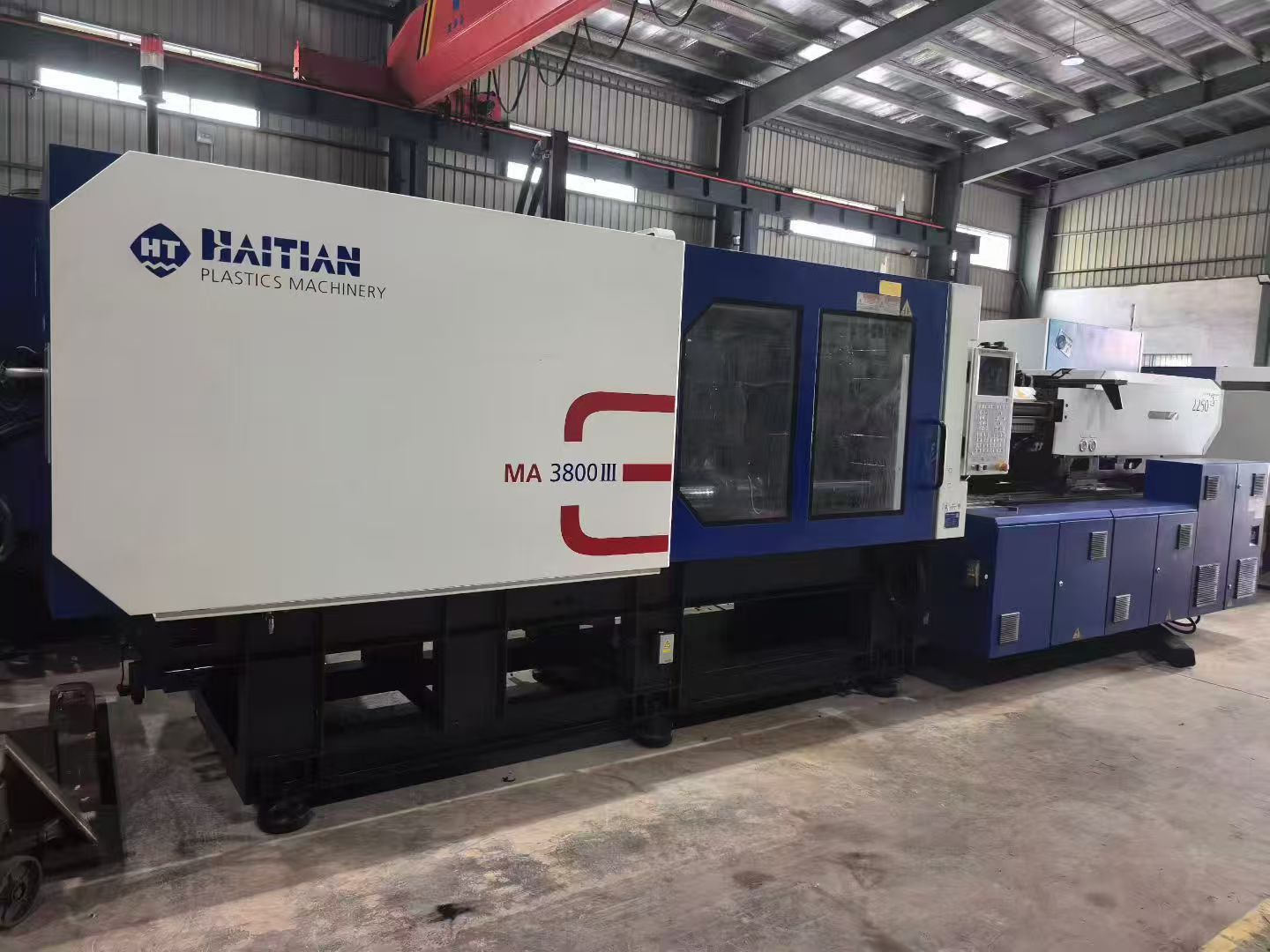
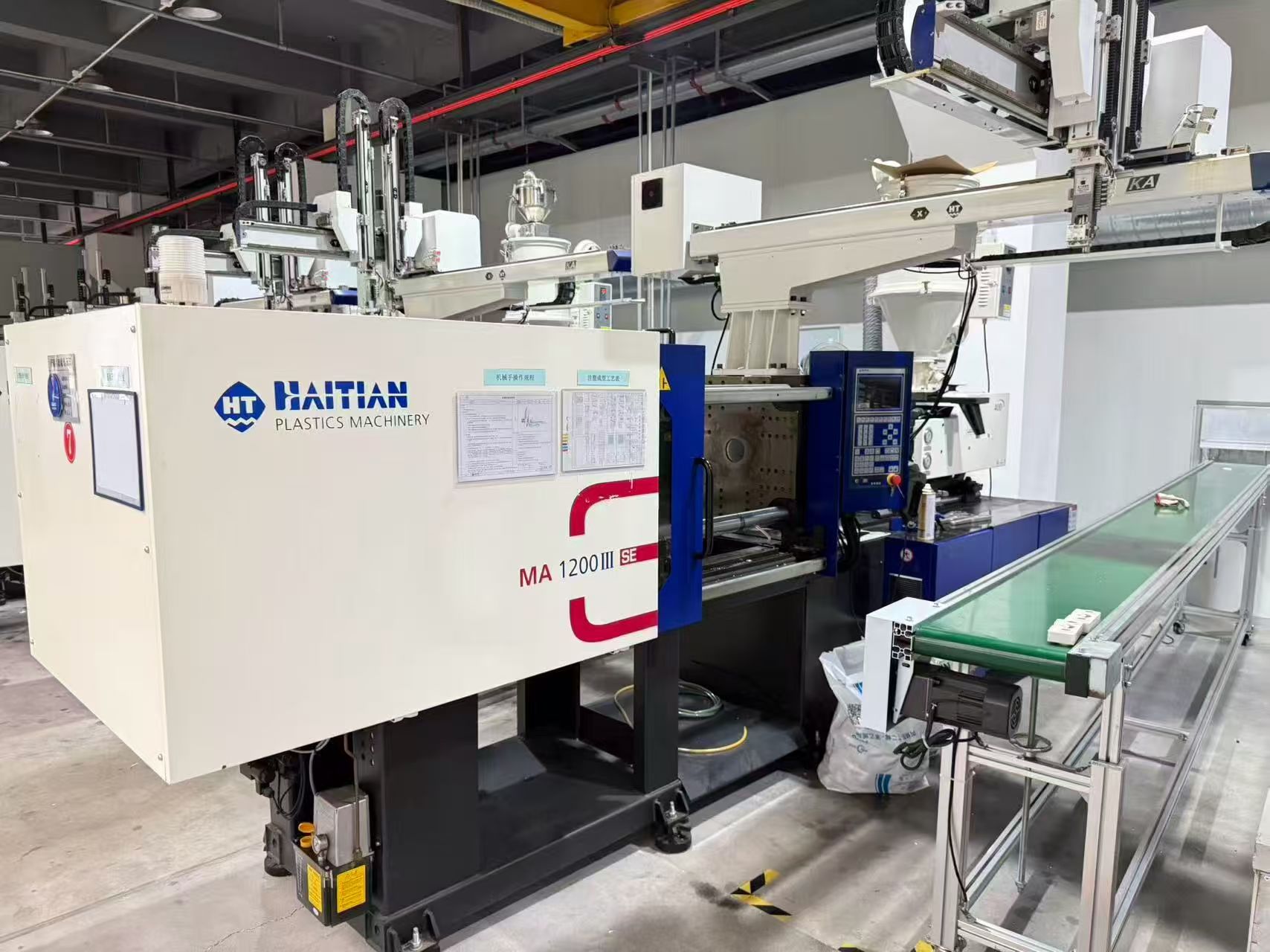
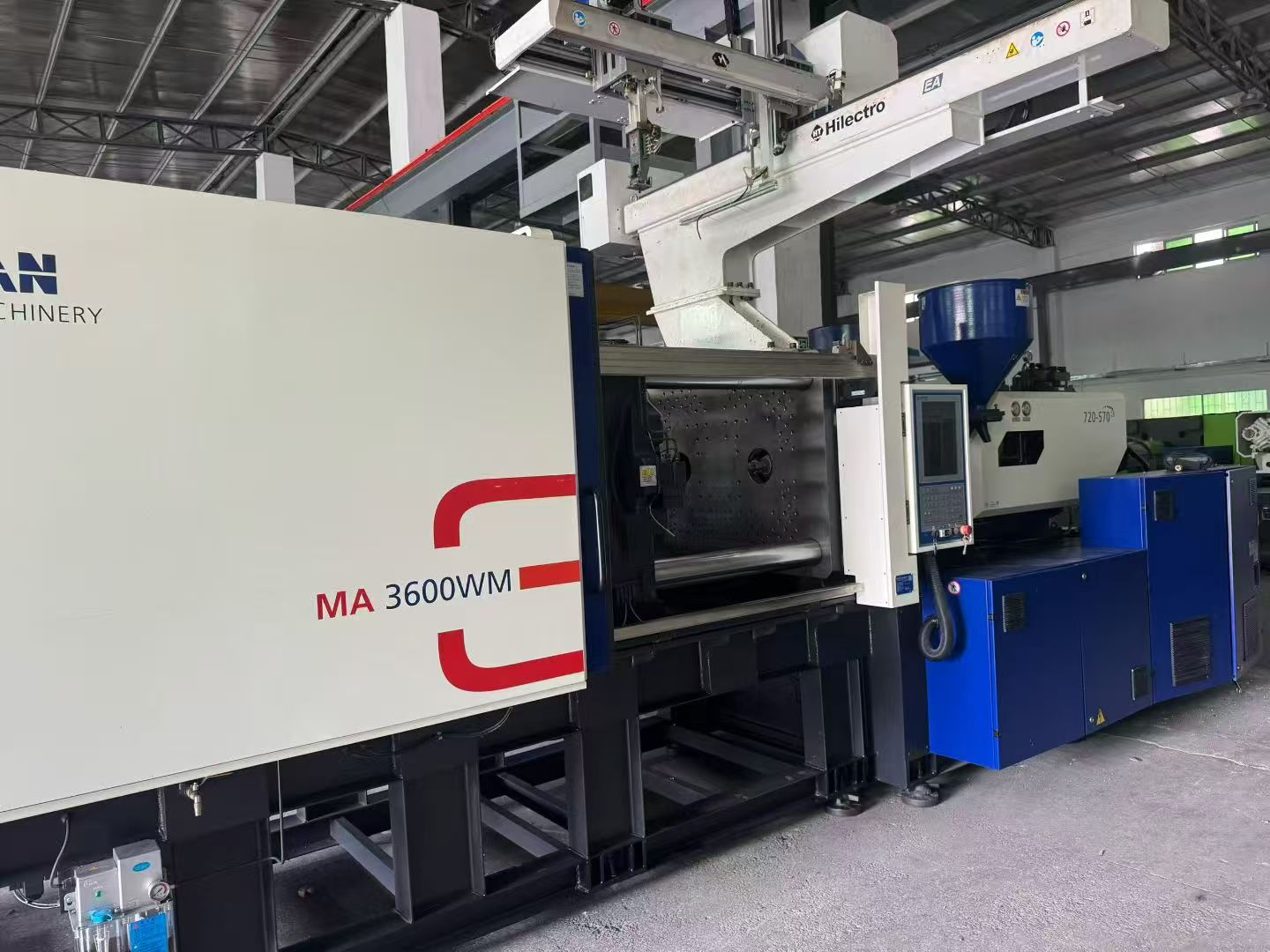
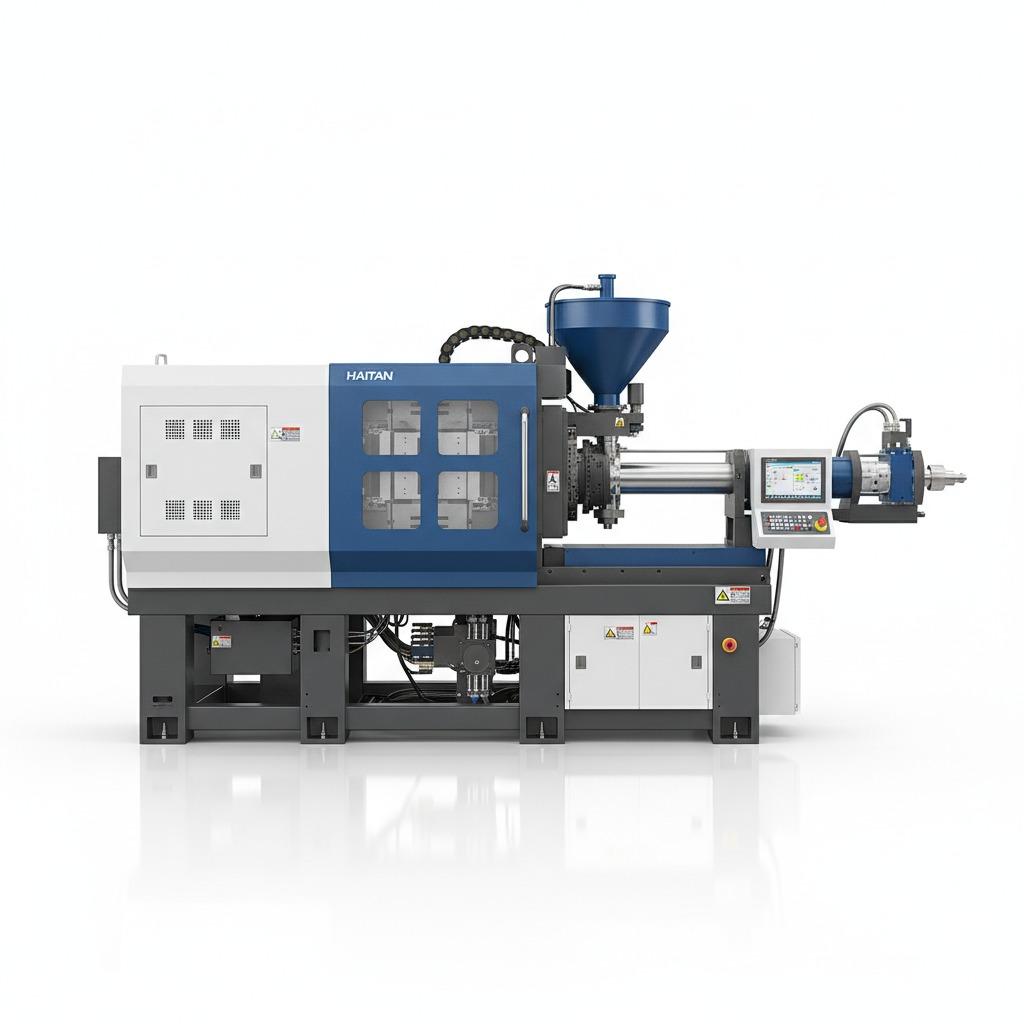
The unit described here appears to be a Haitian Plastics Machinery machine, with a visible model marking of “MA 5300 III SE” on the main injection and molding unit. There is also a second marking near the hopper area that reads “4000,” though that reference is not fully clear from the image alone. It is a horizontal, enclosed machine line with a large clamping or injection housing on the left, guarded access doors with a viewing window in the center, a barrel and screw injection section extending to the right, a top-mounted hopper for pellet feed, and right-side control and power cabinets.
That layout is familiar to anyone who has walked a molding floor. It is the kind of arrangement used for repeatable thermoplastic production, where pellets are fed from the hopper, melted in the barrel, and injected into a mold under controlled pressure. In practical terms, this kind of machine is suited to producing plastic components, housings, and other high-volume molded parts for automotive, appliance, packaging, consumer goods, and industrial applications.
What it does not tell you, at least from the image, is just as important: the exact clamping force, shot size, screw diameter, cycle time, automation package, or whether the machine is electric, hydraulic, or hybrid. Buyers should resist the temptation to fill in those blanks with guesswork.
Used hydraulic injection molding machine or used electric injection molding machine?
For many sourcing teams, the first filter is not brand or model but drive type. A used hydraulic injection molding machine is usually associated with strong clamping force, rugged operation, and familiarity in many plants. A used electric injection molding machine often attracts buyers looking for energy efficiency, cleaner operation, and precise motion control.
The decision is not always tidy. Some shops prioritize lower acquisition cost and easier maintenance access; others care more about cycle consistency, energy use, and floor environment. Older hydraulic machines can be very practical if the plant already has the maintenance knowledge and spare parts habits to support them. Electric machines can be attractive for tight process control, but only if the technical team is comfortable with the controls and servo systems.
A buyer should not treat the choice as a slogan. The right machine depends on part complexity, daily runtime, operator skill, utility setup, and how much variation the production schedule can tolerate.
What to inspect before buying
A second hand machine should be judged as a production asset, not a photograph. The image may show a clean enclosure and a visible hopper, but the meaningful checks happen during inspection and testing.
Clamping unit
The clamping system takes a lot of mechanical stress over time. Look for signs of uneven platen wear, tie-bar damage, misalignment, and any visible evidence of leakage or poor maintenance. If the machine has lived a hard life, the clamp may reveal it before the controls do.
Injection unit
The barrel, screw, and heater bands deserve close attention. Wear here affects melt quality, shot repeatability, and recovery time. If the seller cannot show stable plasticizing performance, the machine may still run, but not at the output level a production buyer expects.
Controls and cabinets
Right-side control and power cabinets are useful only if they are complete and serviceable. Missing relays, hacked wiring, or outdated panels can turn a bargain into a downtime problem. This is where a cautious buyer asks for photos, manuals, and, ideally, a live power-up.
Guarding and safety features
The enclosed access doors and viewing window on this machine are a positive sign. Still, guards should close properly, interlocks should function, and emergency stops should be tested. Safety equipment is not a decorative feature; it is part of the machine’s value.
Where used machines make the most sense
Used molding equipment is not the answer to every production problem, but it is often a smart answer in a few common situations.
A growing supplier may need to add a line quickly for a new contract. A regional manufacturer may want to back up an aging machine without taking on the full cost of a new platform. A plant serving lower-margin product categories may need dependable capacity and little appetite for depreciation.
This is also where Geerpower Industrial Co., Ltd. positions itself: practical industrial machinery support for the plastic industry, with attention to cost-effective equipment, technical support, and after-sales service. For buyers, that matters because used equipment is rarely a one-and-done purchase. It usually needs advice, installation support, and a source for follow-up service if the line is going to stay productive.
Common mistakes buyers make
The first mistake is buying by model name alone. A familiar brand and a visible badge do not guarantee good process condition. A machine can be branded well and still have worn hydraulics, tired heaters, or a control panel that is one failure away from becoming a spare-parts hunt.
The second mistake is ignoring process fit. A machine may be capable in theory but poorly matched to the buyer’s mold size, resin type, or required shot repeatability. That mismatch often shows up only after installation, which is the most expensive time to discover it.
The third mistake is underestimating the cost of moving and recommissioning. Even a well-priced second hand injection moulding machine can become expensive if transport, rigging, power conversion, mold interface work, and startup troubleshooting are not budgeted from the start.
There is also a quieter mistake: assuming all used equipment is interchangeable. One machine may be ideal for high-volume housings; another may be better for packaging or smaller industrial parts. The floor space may look similar, but the production result will not.
Quick buyer checklist
If you are evaluating a used machine like the Haitian Plastics Machinery unit described here, the basic questions are straightforward:
Confirm the visible model and any serial or series markings.
Check whether the clamp, injection unit, and control cabinet are complete.
Ask whether the machine can be powered and demonstrated.
Review maintenance history if it is available.
Match the machine’s likely scale to your mold and product requirements.
Verify what accessories, if any, are included with the sale.
That last point is easy to overlook. Hopper, controls, guarding, and cabinet completeness can matter as much as the main casting. Missing auxiliaries can delay startup, and on a used line, delay is often the hidden cost.
When a used machine is the better business decision
A used machine makes the most sense when speed, budget discipline, and acceptable technical risk all matter at the same time. For factories with stable part demand, a second hand unit can be a sensible way to extend capacity while preserving cash for molds, automation, tooling, or inventory.
It is less attractive when the product is new, the process window is not yet stable, or the buyer needs a highly specialized configuration. In those cases, the savings on the machine can be swallowed quickly by process instability or lack of support.
That is why the best buyers do not ask only, “How much does the machine cost?” They ask, “What will it take to run this machine reliably on my line?” That is the real decision.
FAQ: practical questions buyers ask
Can a second hand injection moulding machine support mass production?
Yes, if the machine is mechanically sound, properly matched to the application, and supported by maintenance and controls that still make sense for the plant.
Is a used hydraulic machine always cheaper to own than an electric one?
Not always. Purchase price may be lower, but total ownership depends on energy use, maintenance burden, uptime, and the quality of the rebuild or refurbishment.
Should a buyer expect the machine to be plug-and-play?
No. Even a good used machine usually needs inspection, installation, calibration, and a production trial before it is ready for real work.
What to do next
If you are evaluating a second hand injection moulding machine for your plant, start with the machine’s real condition and your real production requirement, not with the badge on the cover. Ask for visual documentation, confirm the model, and match the equipment to the part family you plan to run.
For buyers who want more than a one-time transaction, Geerpower Industrial Co., Ltd. can be a useful starting point for machine sourcing and technical support in the plastic industry. The key is to treat the purchase as a production decision. A used machine can be a smart asset, but only when the buyer checks the details that keep it running after delivery.