
Why buyers keep searching for a used Haitian Yizumi machine
For many factories, a used haitian yizumi machine is not a bargain-hunting exercise so much as a production decision. Buyers are usually comparing one practical question against another: do you need the lower upfront cost and faster availability of a used press, or the warranty and factory-fresh certainty of new equipment? In plastics, that trade-off matters because the machine has to fit the mold, the resin, the line layout, and the labor that runs it every shift.
That is also why the search often mixes brand names, model codes, and generic terms like used Haitian injection molding machine or used Yizumi injection molding machine. People are rarely looking for a logo alone. They are looking for a horizontal plastic injection molding machine that can go straight into repeat production, ideally with a known control system, stable clamping section, and enough integration options to work with a hopper, conveyor, or take-off robot. In other words, the buyer wants a machine, not a mystery.
Haitian and Yizumi in the used market: similar problems, different buying angles
Haitian and Yizumi are both names that come up constantly when teams search for a used plastic injection molding machine. In the secondary market, the comparison is less about brand prestige and more about machine fit, supportability, and how clearly the unit can be verified before money changes hands. A used machine that has been maintained well can be a stronger purchase than a newer one that was pushed hard and left tired.
That is the main contrast buyers should keep in mind. A Haitian machine for sale may attract attention because the brand is widely recognized, while a Yizumi machine for sale may be attractive for similar reasons, especially if the plant wants a modern footprint or specific automation layout. But the real decision is not brand versus brand. It is the condition of the clamp, injection unit, control cabinet, auxiliaries, and guarding.
What you can actually judge from a listing photo
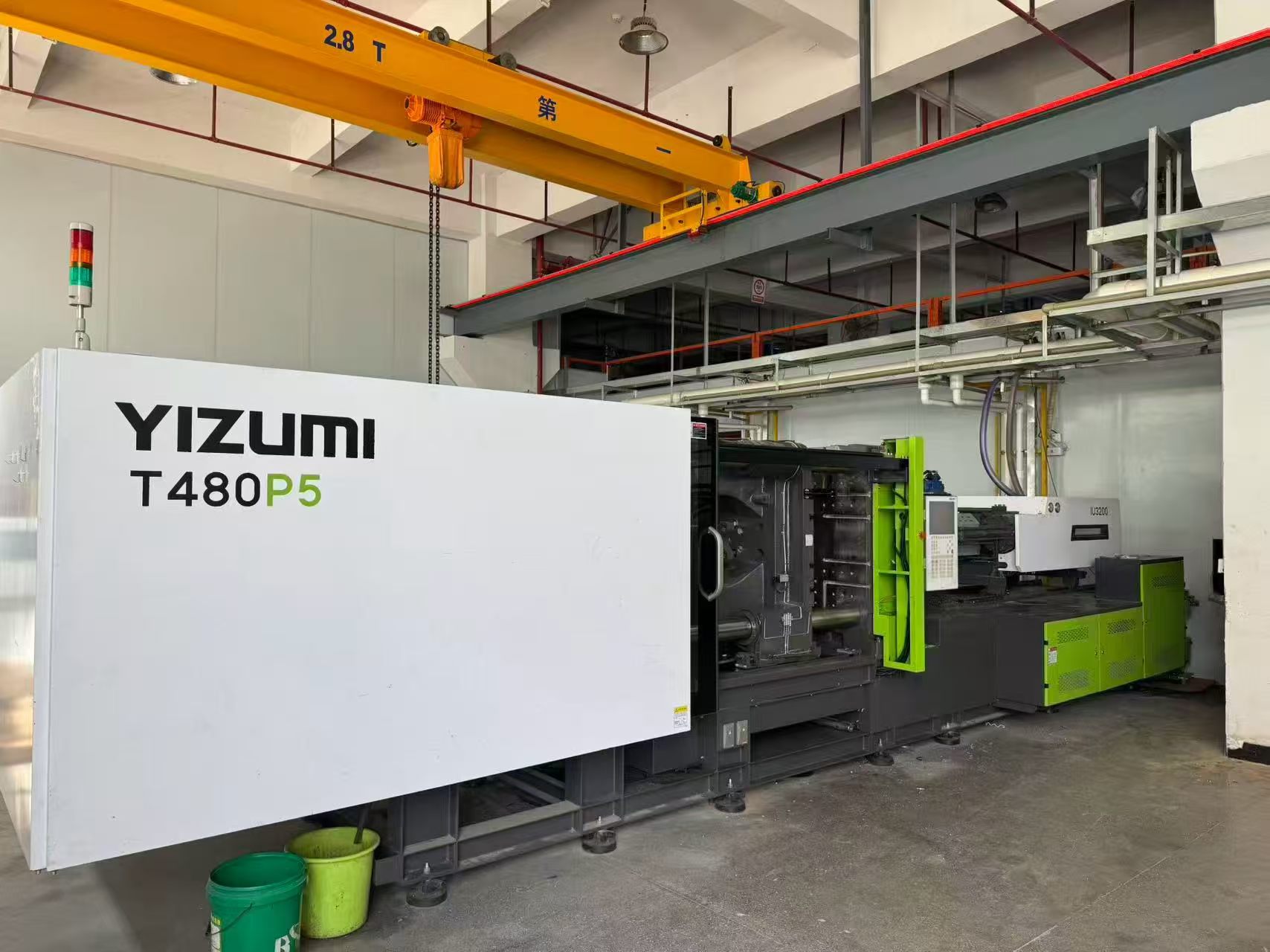
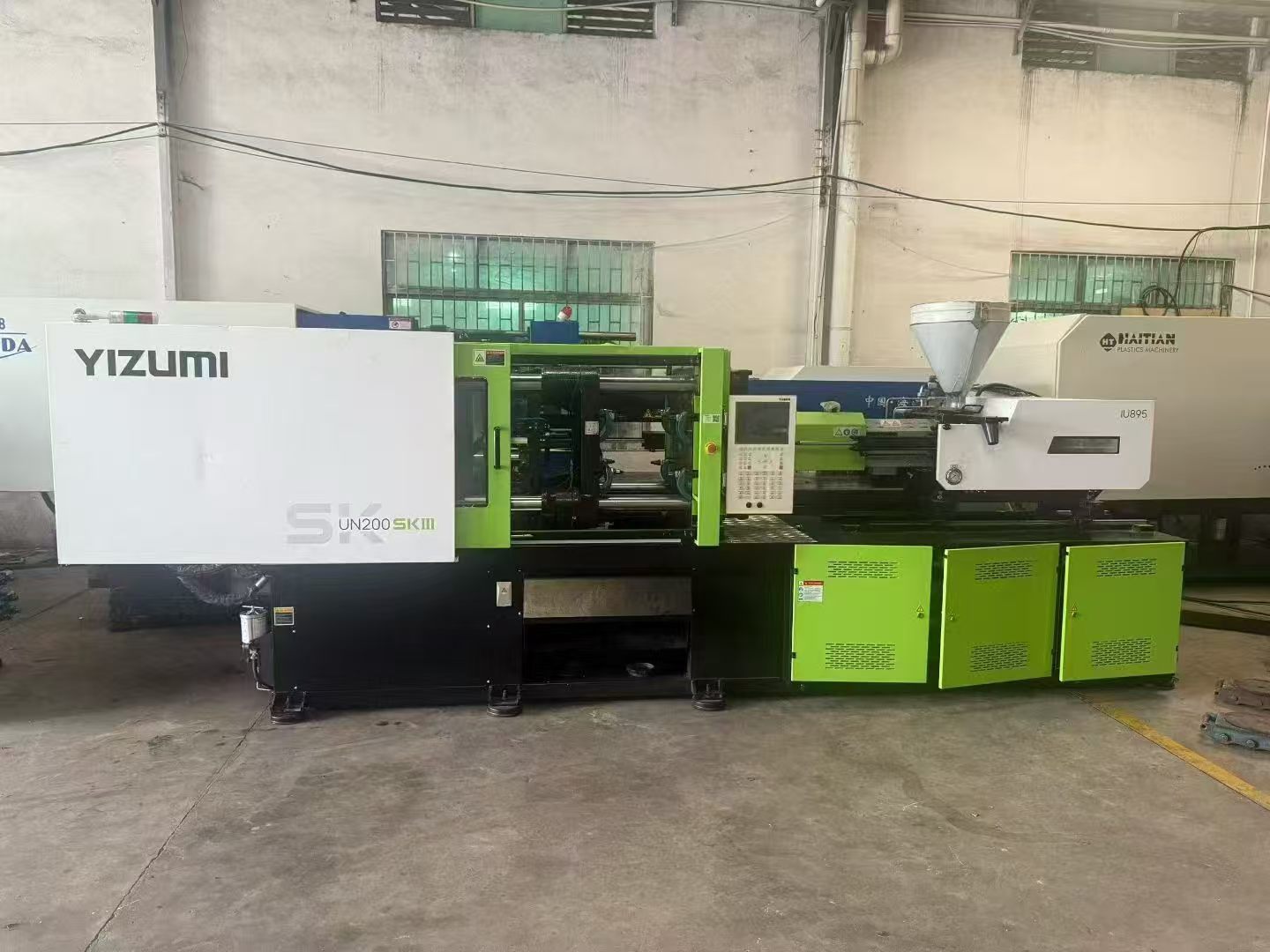
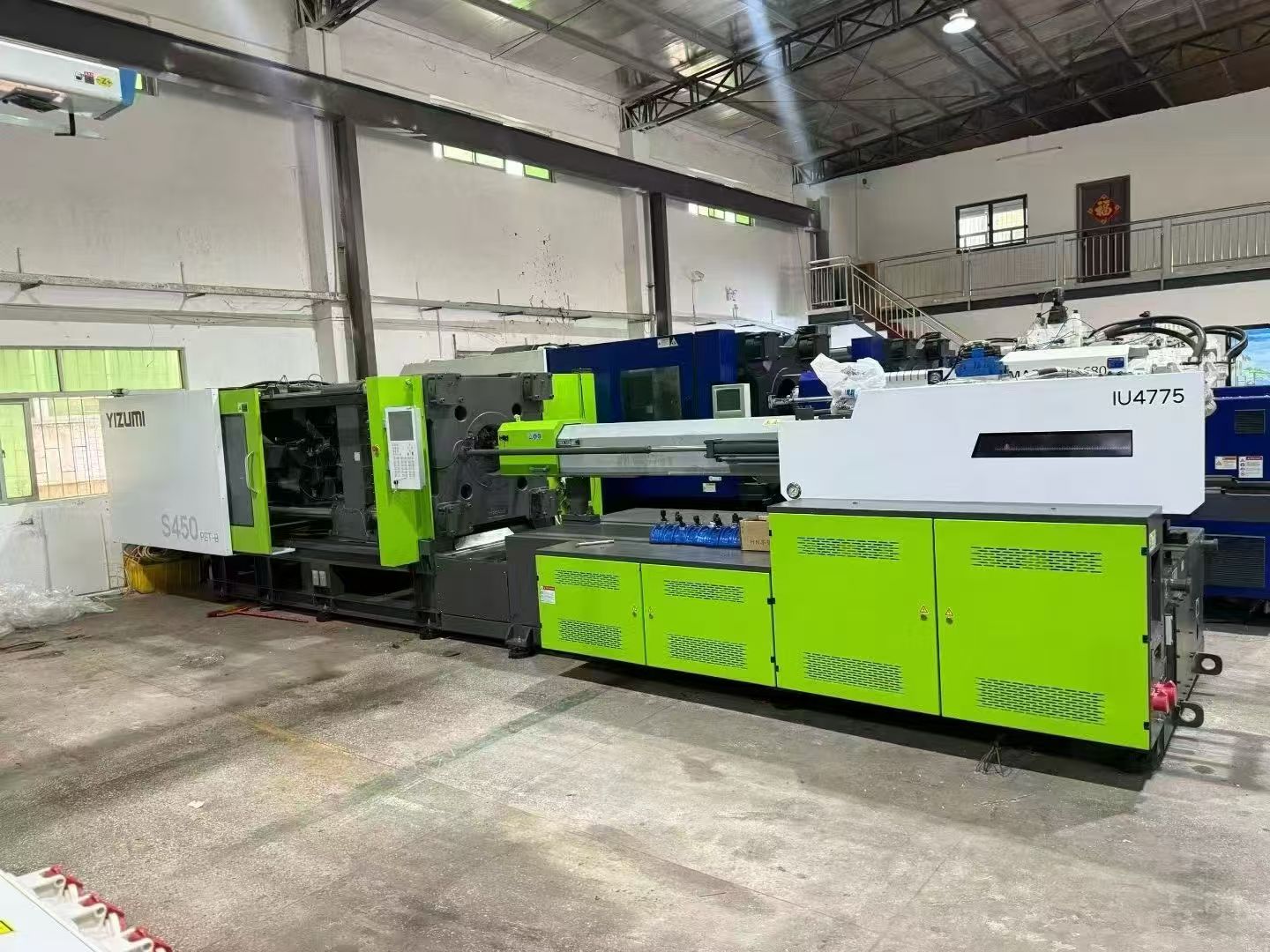
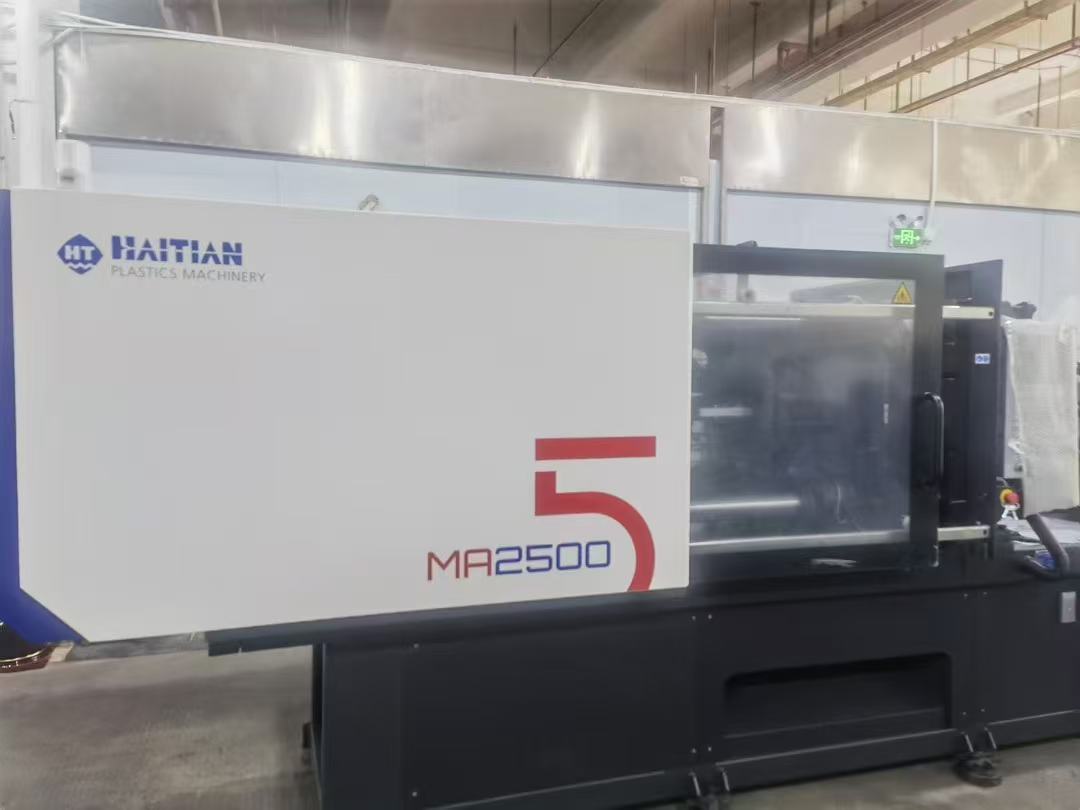
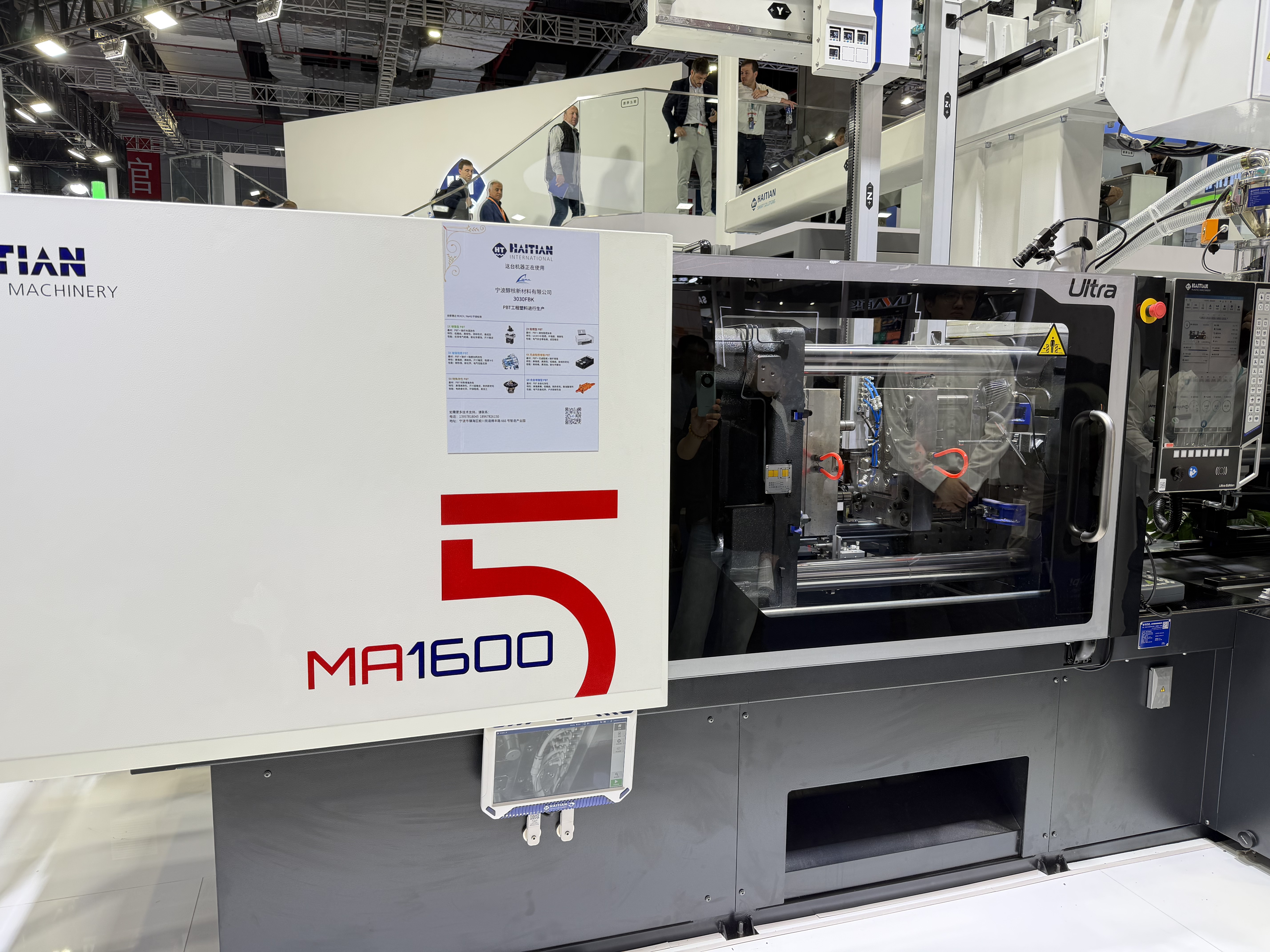
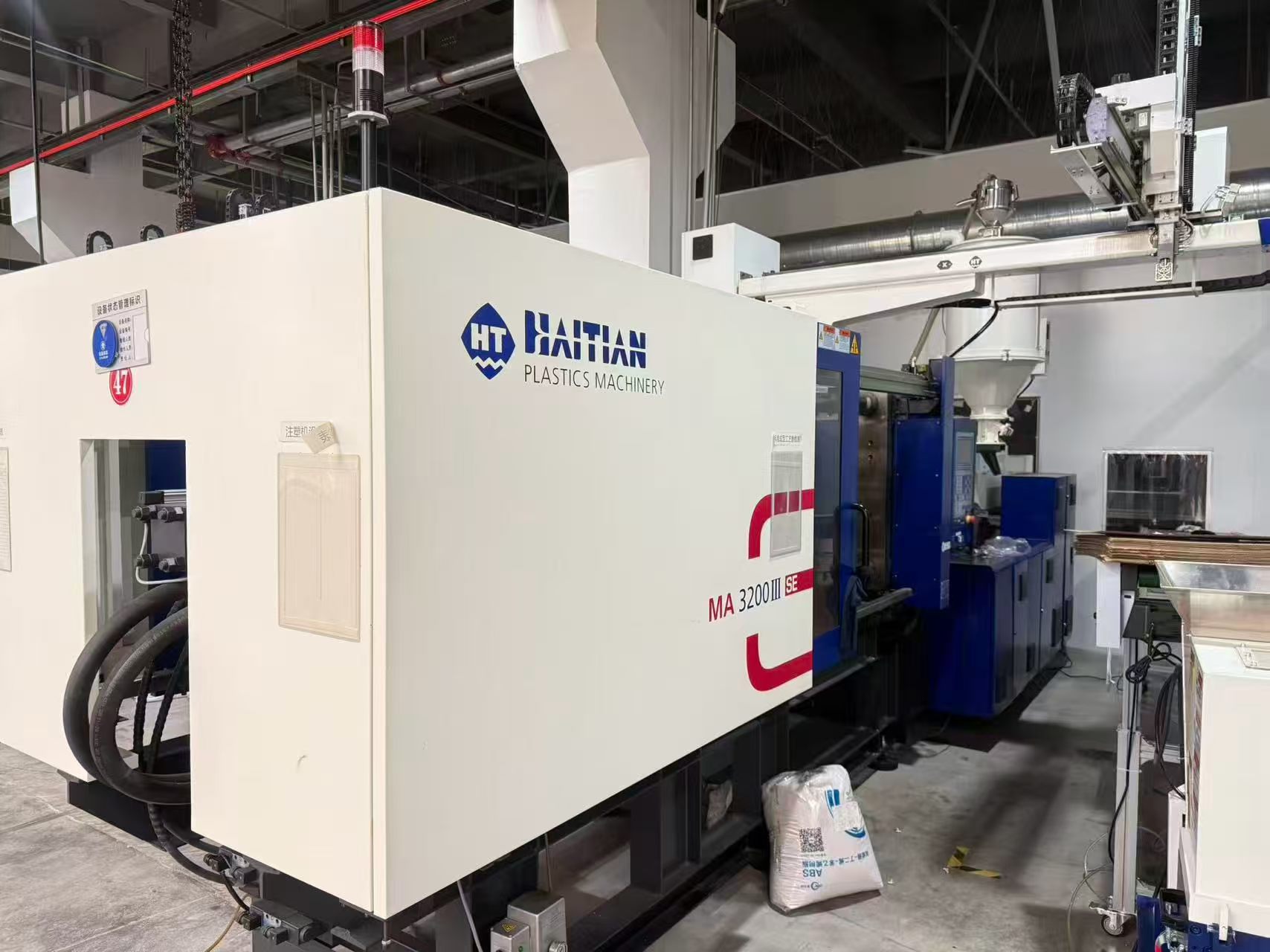
Photos are not data sheets, but they do reveal a useful amount. In the machines commonly described this way, you may see a labeled HAITIAN Plastics Machinery frame, a model marking such as MA 1200III SE, or other visible machine identifiers. You may also see an enclosed clamping unit, an injection section with a hopper or feed system above it, a control panel/HMI, and sometimes a conveyor set beside the press for part discharge. Those features tell you the machine belongs to a full molding setup rather than a stripped shell.
GEEPOW Machinery notes that it offers used injection molding machines from 90 to 2800 tons, with over 300 models in stock. That sort of range matters because used equipment buyers are not all shopping for the same job. Some need a compact machine for small housings or connectors. Others need a larger industrial press for repeat production of appliance, automotive, or packaging components. The market spans both ends, and the right machine has to match the mold, not just the budget.
Quick comparison: when each search term usually makes sense
Used Haitian injection molding machine
This search often comes from buyers who want a broadly known industrial platform, sometimes with a preference for straightforward, workhorse production. It tends to suit contract molders, OEMs, and plants that value familiarity in maintenance and operator training.
Used Yizumi injection molding machine
Buyers using this term may be looking for a similar industrial press but are open to another brand if the machine configuration, age, and condition line up. It is a sensible search when the project is flexible and the team wants more options on the used market.
Used industrial plastic machine
This is the broadest route, and in practice it is often the smartest starting point. It allows a buyer to compare brands, tonnage classes, and layouts without locking into a single name too early.
Used OEM injection molding machine
This usually points to buyers who care about repeatability, production discipline, and supply-chain continuity. OEM users often need a machine that can be inserted into an existing process with minimal layout disruption.
The machine layout tells you how it will behave on the shop floor
The visible structure of a used Haitian Yizumi machine often says more than the listing title. A large enclosed mold-clamping area suggests safety guarding and a production-minded design. An overhead hopper or dryer feed system suggests pelletized resin handling. A control panel mounted near the injection side suggests the machine is built for direct operator access, not awkward side work.
Some listings also show automation hardware, such as a robot arm or gripper above the mold area, plus a green conveyor belt placed beside the press. That arrangement usually points to part extraction or downstream handling. The exact robot function should be confirmed carefully, because not every arm does the same job. One may remove parts, another may load inserts, and another may simply transfer molded pieces to the next operation. The buyer should never assume the automation package is complete just because it looks impressive in a photo.
Selection criteria that matter more than the brand name
When comparing a used Haitian Yizumi machine against other used equipment, the short list is predictable, but it is still where deals are won or lost.
First, verify the machine label and model marking against source documentation. Visible markings such as MA 1200III SE or MA 3200 III are useful, but they are not enough by themselves. Model names, tonnage hints, and local labeling conventions can be easy to misread in listing photos.
Second, check whether the clamping section, injection unit, and control panel appear complete and consistent. A clean exterior does not guarantee a healthy hydraulic, electrical, or servo system. Nor does it tell you whether the screw, barrel, or tie bars have seen heavy wear.
Third, match the machine footprint to your mold and production flow. If your line depends on a conveyor, take-off point, or secondary trim station, the machine should allow that layout without awkward operator movement.
Fourth, ask about auxiliary equipment. A hopper, dryer, feeder, and downstream handling components may be visible in the photo, but what is included in the sale is a separate question. A machine without the right auxiliaries can sit idle longer than expected, which is the sort of delay that annoys production teams and procurement alike.
Common mistakes buyers make with used injection presses
The first mistake is treating every used machine as interchangeable. A used Yizumi injection machine used for one resin family and mold geometry may not be the right fit for another. The second mistake is over-reading the model code. A number in the model name may suggest capacity, but unless it is verified in the documentation, it should not be treated as a promise.
A third mistake is ignoring automation compatibility. A plant may like the idea of a robot-assisted press, but if the take-off area, conveyor height, or control interface is awkward, the system becomes a maintenance headache. Another practical warning: used equipment listings often show a clean machine at rest, but production readiness depends on service history, not just appearance.
Who benefits most from buying used
Used injection molding equipment makes the most sense for buyers who need to move quickly, control capital spending, or expand production without waiting on a long new-machine delivery. Contract molders, industrial part makers, appliance suppliers, and packaging producers often fit that profile. If the operation already has maintenance capability and familiar operators, the risk drops further.
That said, not every project should buy used. If a new program needs a tightly specified process window, a special automation package, or a very recent control standard, new equipment may still be the cleaner option. Used presses are best when the buyer values practical throughput and can confirm what is actually on the floor.
What to ask before you commit
Ask for the exact machine identification, not just the sales description. Ask whether the machine is hydraulic, electric, or hybrid if that matters to your plant energy and maintenance setup. Ask what auxiliaries are included. Ask whether the conveyor, hopper, and handling hardware are part of the sale or only photographed with the machine. If the machine has been disconnected, ask how it was stored and whether it was tested before removal. These are ordinary questions, but they prevent expensive surprises.
A practical buyer’s takeaway
If you are comparing a used Haitian Yizumi machine with other entries in the used market, the right approach is to compare the machine’s actual structure, visible completeness, and documentation first, then the brand second. The presence of an enclosed clamp area, integrated control panel, material feed system, and conveyor-based output handling can be a genuine advantage, but only if the machine fits your molds and your production rhythm.
For buyers who want an easier starting point, GEEPOW Machinery’s inventory range may help narrow the search, especially if you need a used machine in a particular tonnage band and want more than one model to compare. The useful next step is not to chase the first listing that looks clean. It is to line up the machine against your part size, resin, automation needs, and floor space before you make an offer.
FAQ
Is a used Haitian or Yizumi machine always a better deal than new?
Not always. Used equipment is often better for speed and budget, but only when the condition, accessories, and documentation are acceptable for your process.
Can I rely on the model marking alone?
No. Model markings help identify the machine, but they should be checked against paperwork and, ideally, a physical inspection.
What matters most in a used injection molding machine listing?
Condition, completeness, automation layout, and fit with your mold and line. Brand matters, but it is not the whole story.
What if the listing shows a robot or conveyor?
Treat that as a positive sign, but verify exactly what is included and what the automation actually does. Photographs can be helpful and still incomplete.
Next step
If you are reviewing a used Haitian Yizumi machine for your plant, build your shortlist around verifiable machine details, not broad claims. Compare the press structure, control setup, auxiliaries, and overall fit to your production line. Then ask the seller for the documents that turn a good-looking listing into a workable asset.