
Why buyers still look at a used Haitian machine supplier before signing for new equipment
A used Haitian machine supplier is often the first stop for buyers who need injection molding capacity without waiting for a new-build order to clear. That is especially true when the production plan is simple on paper but unforgiving in practice: get a press onto the floor, keep it running, and avoid paying for features that will never earn their keep. For sourcing managers and plant engineers, the real question is not whether a second hand Haitian machine exists. It is whether the machine matches the part, the mold, the output target, and the level of automation already built into the line.
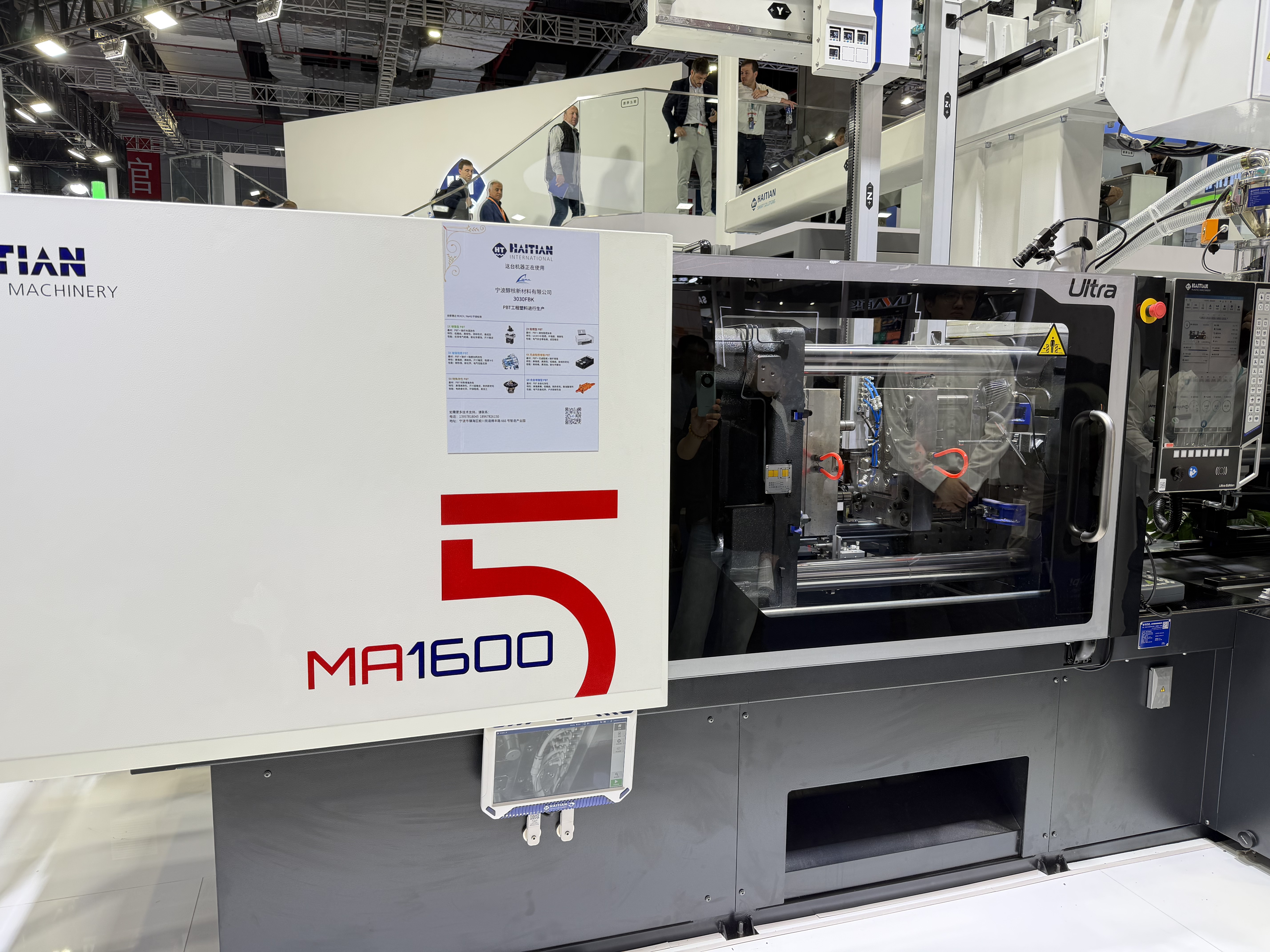
Haitian has long been associated with high-volume plastic processing, so the brand comes up often in the used market. A Haitian injection molding machine with a robot and conveyor is a familiar sight in shops making housings, caps, fittings, consumer parts, and other repeatable molded products. That integrated layout matters. It changes labor needs, part handling, and the whole rhythm of the cell. If you are comparing a used Haitian plastic injection machine against another second hand industrial machine from a different maker, the decision is rarely about the nameplate alone. It is about uptime risk, controllability, and how much retrofit work the buyer is willing to take on.
What the visible machine setup tells you
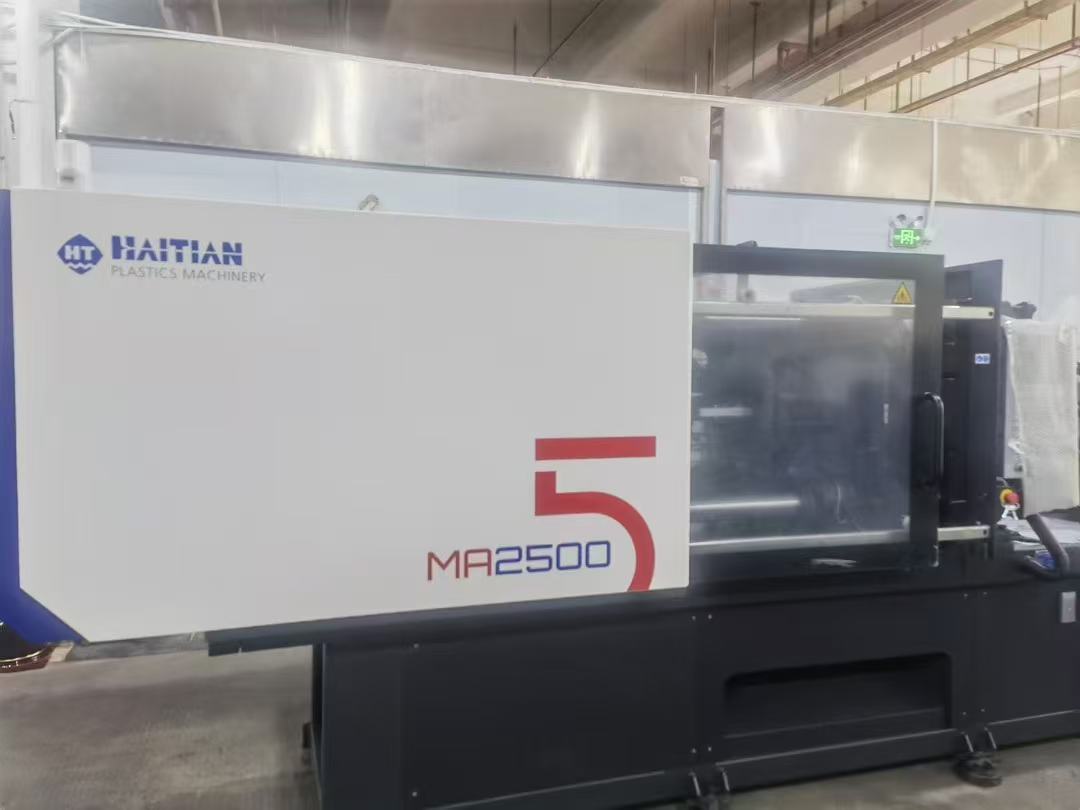
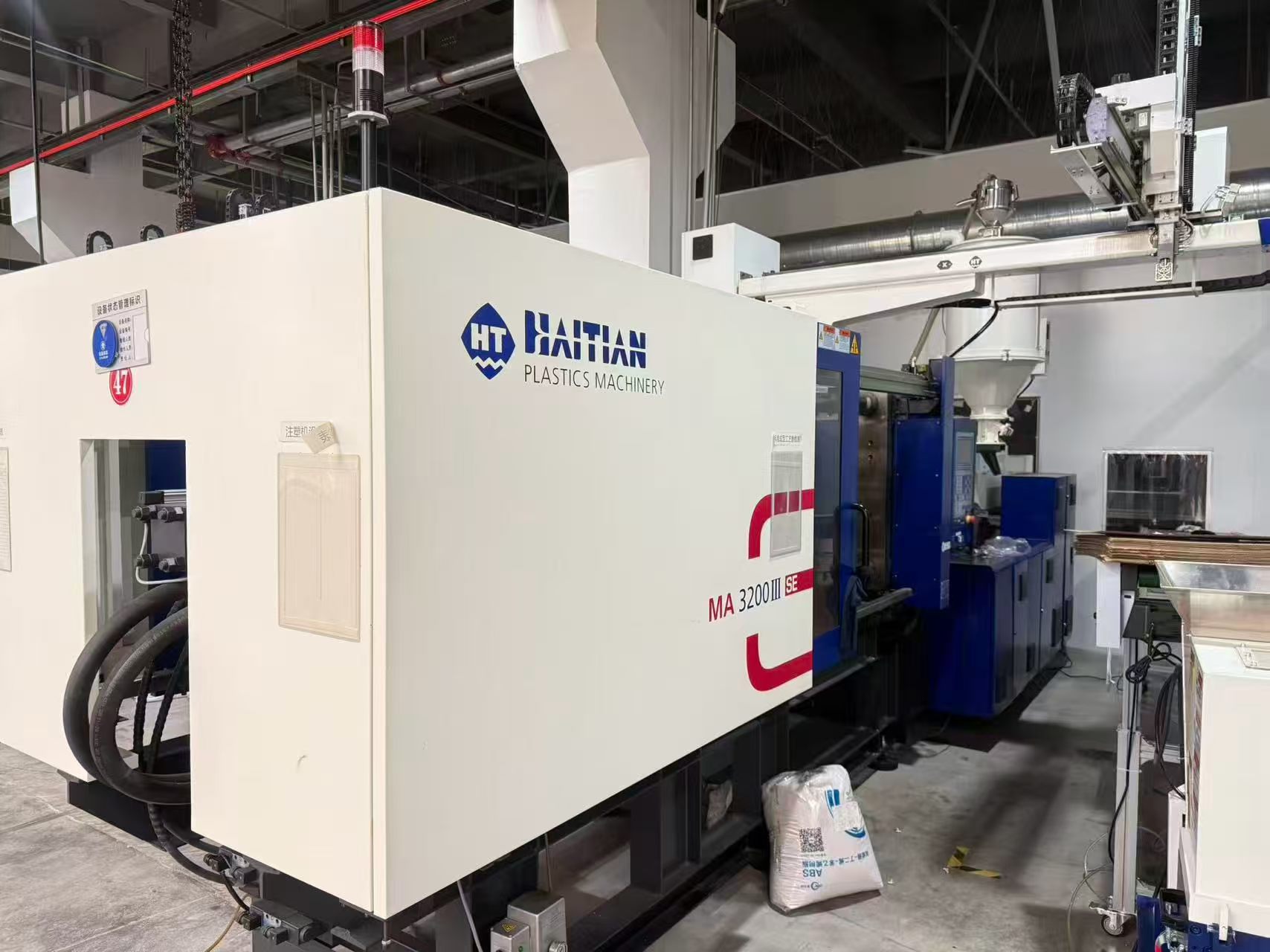
The machine described here is a floor-standing industrial plastic injection molding machine with a robotic pick-and-place or part-removal system and a conveyor belt for downstream handling. The visible model marking appears to read Haitian MA1200II SE, though model confirmation should always be checked against the actual nameplate and controller documentation.
That combination tells a useful story. The press itself is not being sold as a bare molding unit. It appears to be part of an integrated production cell, with overhead automation rails or arms and a green belt conveyor mounted on an aluminum frame. In practical terms, that means the previous owner likely wanted repeatable cycle control and immediate part transfer away from the mold area. That is a real advantage when the product is small, hot, or easy to deform while still warm.
The white and blue painted enclosure and black base frame are standard industrial cues, but they are not the decision-makers. What matters more is the condition of the clamping section, the controller, the robot interface, and the conveyor alignment. A good-looking Haitian manufacturing machine can still be a poor buy if the automation is mismatched or the maintenance history is thin.
Used Haitian, second hand industrial machine, or cheap used Haitian machine: not the same buying problem
Buyers often use those phrases interchangeably, but they should not.
A used Haitian machine usually implies a known brand with a remaining service life that can still justify capital spending. A second hand Haitian machine is simply a machine that has changed hands; it may be well maintained or it may have been idle for a long time. A cheap used Haitian machine sounds attractive, but “cheap” can mean missing documents, worn screws, tired hydraulics, outdated controls, or an automation package that no one wants to support anymore.
That is why serious buyers compare more than price. They compare the machine condition, controller accessibility, spare-part availability, and whether the line can be installed without excessive rework. If a used Haitian machine supplier cannot explain the integration clearly, the low quote may be hiding a very expensive commissioning problem.
Where an automated Haitian plastic machine makes sense
A Haitian plastic machine with robotic part removal and a conveyor is best suited to production that depends on consistency. Think molded parts that need to be placed, counted, cooled, or conveyed without manual handling. This is common in high-volume manufacturing where even a small reduction in handling time can improve output over the course of a shift.
The automation also reduces the chance of operator variation. That matters when a part must land in the same orientation every time, or when the process is sensitive to scratching, contamination, or heat distortion. For some plants, the robot is not a luxury. It is the only practical way to keep operators away from the mold area and maintain a steady cycle.
Still, not every job needs a full automated cell. If a factory is changing molds frequently, or running short batches, a simpler setup may be more flexible. This is where buyers should be honest with themselves. A sophisticated used Haitian plastic injection machine is useful only if the production plan can keep it busy.
What to inspect before choosing a Haitian machine for sale
The biggest mistake is treating a used machine like a commodity. It is not a crate of raw material. It is a mechanical system with wear patterns.
Start with the basics: the clamping unit, the barrel and screw condition if accessible, the hydraulic system, the electrical cabinet, and the controller behavior at startup. Then inspect the robot and conveyor as separate assets. A conveyor belt on an aluminum frame looks straightforward, but alignment, belt wear, and sensor stability can affect the whole cell. If the automation was added later, the interface logic may be more fragile than the sales photos suggest.
Ask for the machine’s production history if it exists, but do not assume a missing record means a bad machine. It does, however, mean you need a more careful pre-buy check. The supplier should be able to speak plainly about what is known and what is not. That is where a credible used Haitian machine supplier earns trust: by not overpromising on tonnage, cycle capability, or condition when those details have not been verified.
Practical checks that save trouble later
Look for signs of uneven wear around the clamping area.
Confirm that the robot path does not interfere with the mold opening zone.
Check whether the conveyor discharge point matches your downstream packaging or inspection flow.
Verify controller compatibility with your preferred mold and process settings.
If possible, ask whether the machine can be seen under power. A static inspection can miss a lot.
How GEEPOW Machinery fits into the sourcing picture
GEEPOW Machinery offers used injection molding machines from 90 to 2800 tons, with over 300 models in stock. That breadth matters for buyers who need to compare not just one press, but several possible production paths. A plant may begin looking for a Haitian machine for sale and then discover that a different tonnage or layout fits the mold better. Inventory depth gives engineering and procurement a wider field of options.
For teams balancing budget against production continuity, that range can be useful. It makes it easier to compare a second hand Haitian machine with other used equipment in a similar tonnage class, rather than locking into the first machine that happens to be available. In a market where equipment condition varies as much as price, choice is a form of risk control.
Comparison: when to choose a used Haitian machine versus another used press
If the priority is established brand familiarity, automated handling, and a production cell already built around injection molding, a Haitian machine often makes sense. Many buyers know what they are looking at, and maintenance teams may already understand the platform.
If the priority is the lowest entry price, then a cheap used Haitian machine may appear tempting, but it should be treated carefully. A low sticker price does not account for transport, installation, tooling fit, or the cost of reviving an idle controller.
If the priority is flexibility across many mold types, the better move may be to compare a broader set of second hand industrial machine options rather than narrowing too early to one brand. The right machine is the one that supports your process with the least friction, not the one with the strongest badge on the enclosure.
Buyer advice that rarely gets said out loud
A used machine purchase often fails in the gaps between departments. Procurement sees the price. Engineering sees the process. Maintenance sees the repair burden. Production sees the output target. If those groups are not aligned, even a decent machine can become a headache.
So before you buy, make sure the team agrees on the basics: what product the machine will run, how parts will be removed, where the conveyor will discharge, and what level of automation the plant can realistically support. That sounds obvious, but it is exactly where many deals go sideways.
One more practical caution: if the supplier offers a package with robot and conveyor, ask whether those components are standard, original, or custom integrated. The answer affects future support more than many buyers expect.
FAQs buyers usually ask
Is a used Haitian machine supplier the right place to start for high-volume production?
Yes, if you are looking for a known injection molding platform and want to compare available stock quickly. It is especially relevant when automation is part of the process.
What is the advantage of a second hand Haitian machine with a robot?
The main advantage is faster, more consistent part removal and handling. That can reduce labor and improve repeatability, provided the robot and press are well matched.
Is a Haitian plastic machine always the best value?
Not always. Brand value helps, but condition, controller health, and automation integration matter more than the label.
Should buyers prefer a used Haitian plastic injection machine over a bare press?
If the application depends on automated extraction and conveyor transfer, the integrated setup can save time and integration cost. If not, a simpler machine may be easier to maintain.
Where to go next
If you are evaluating a Haitian machine for sale, treat it as a process decision, not a shopping decision. Ask how it fits your mold, your output target, and your handling flow. Compare the machine against at least one other second hand industrial machine so you can judge value in context, not by instinct alone.
For buyers who want a wider field of options, GEEPOW Machinery’s inventory of used injection molding machines may be a practical starting point. With machines ranging from 90 to 2800 tons and more than 300 models in stock, it gives engineering and sourcing teams room to compare platforms before they commit to the next line installation.