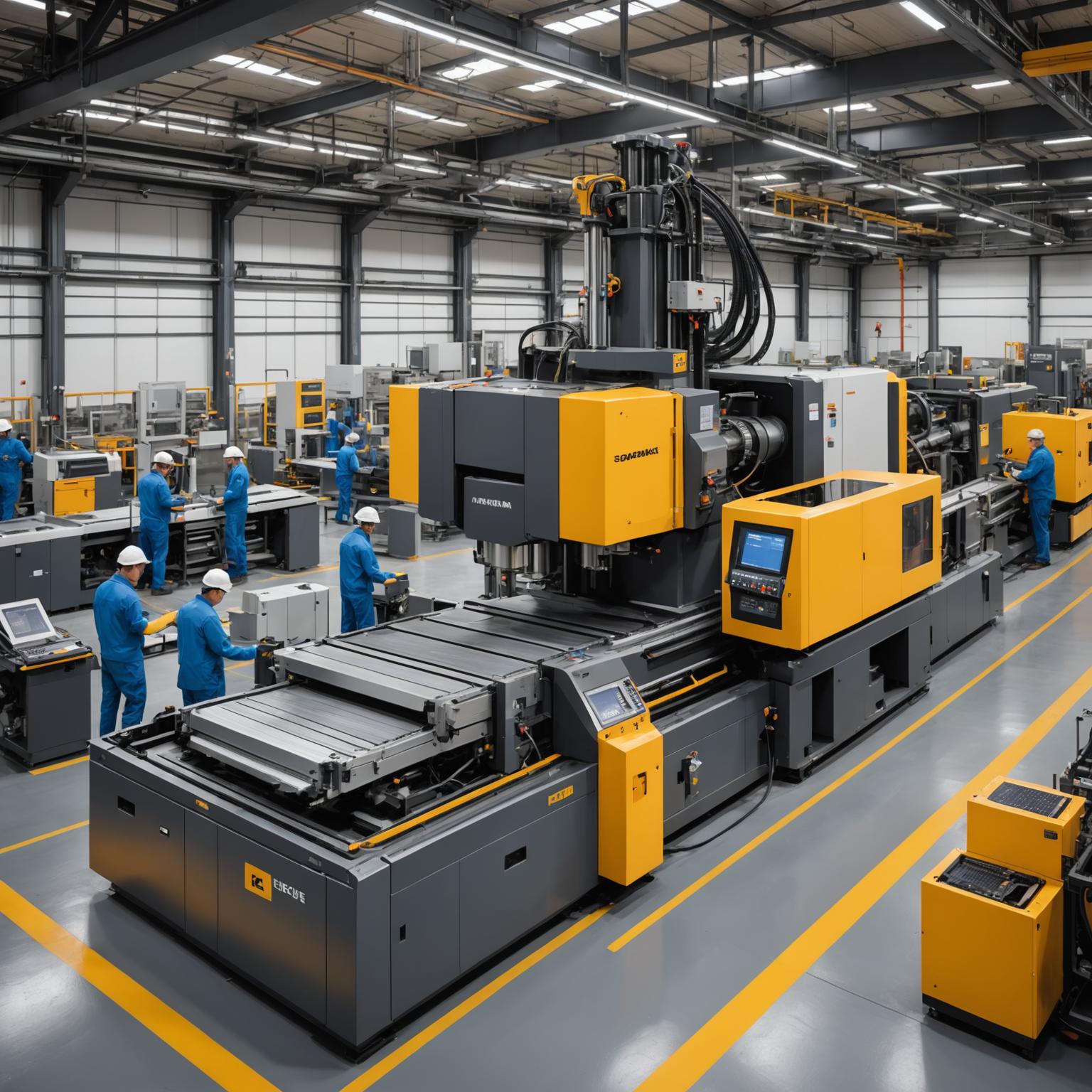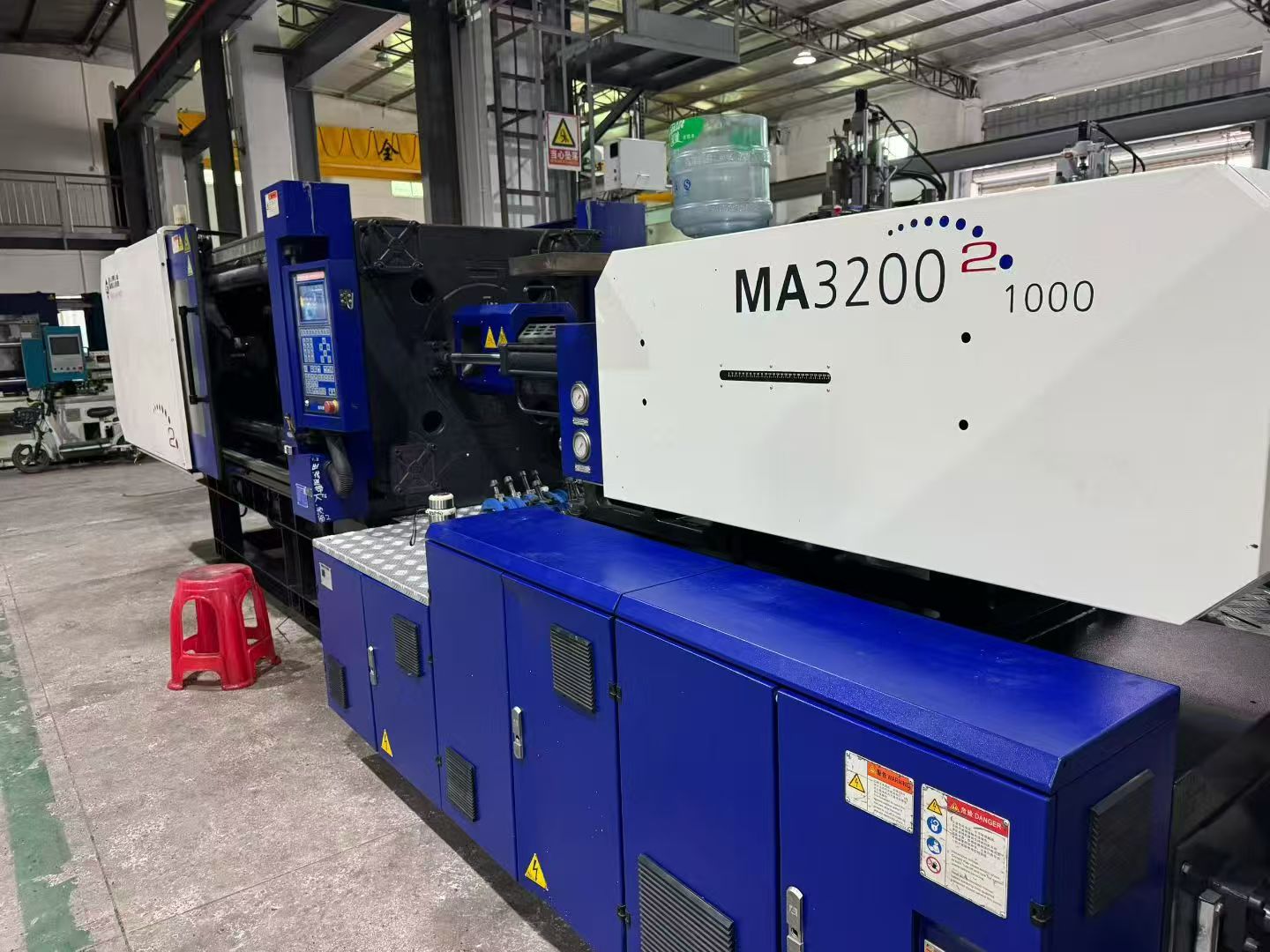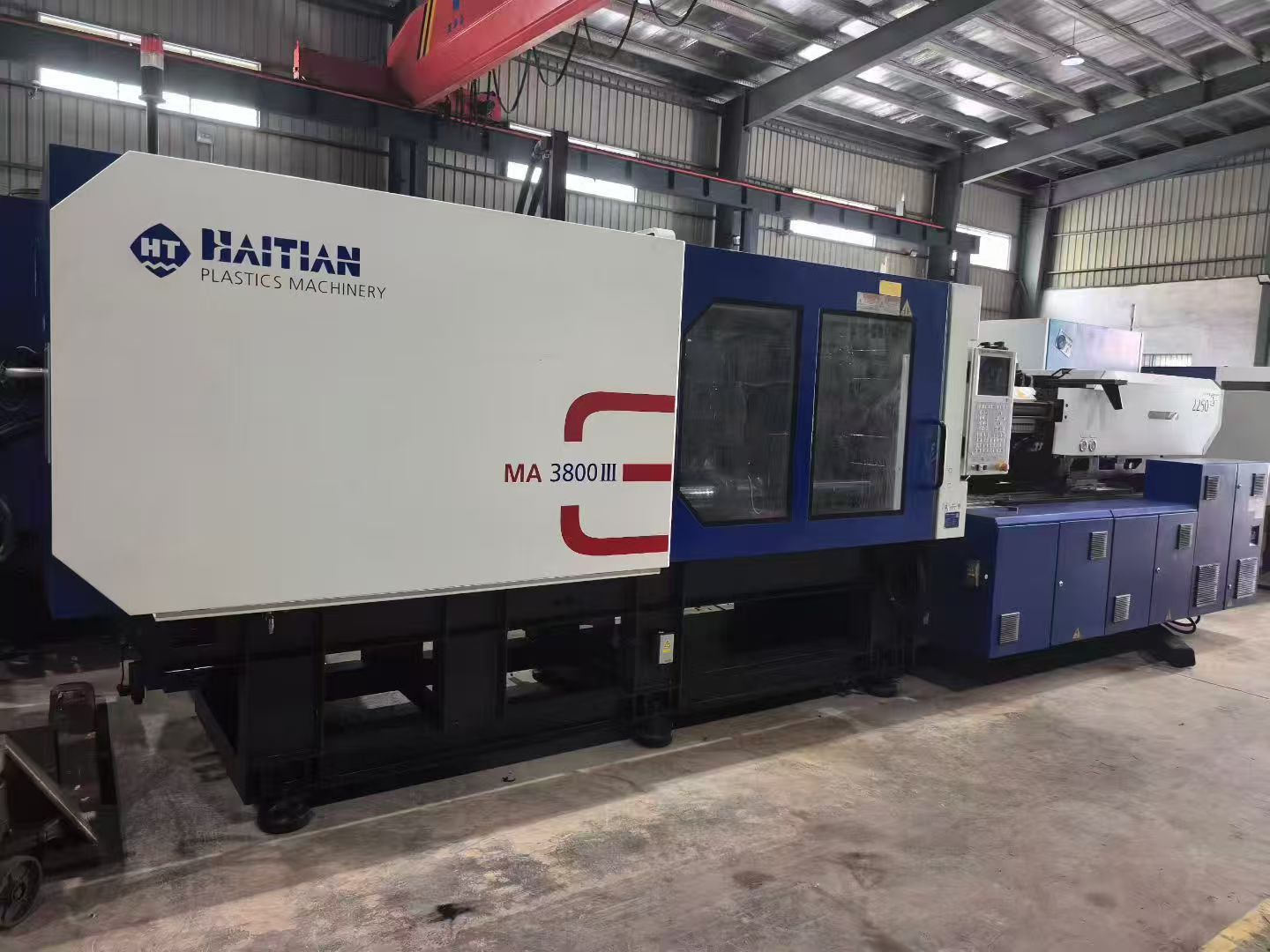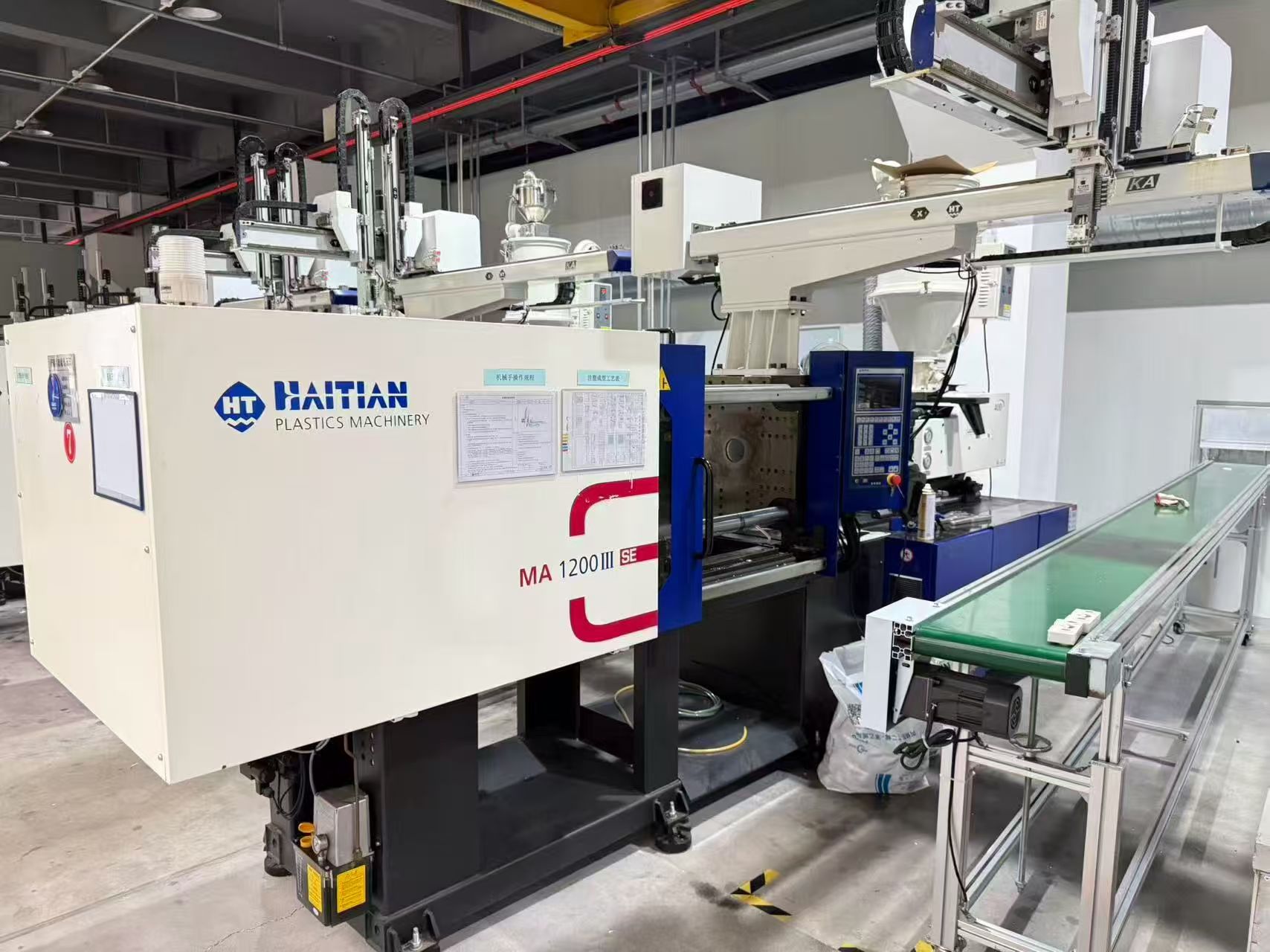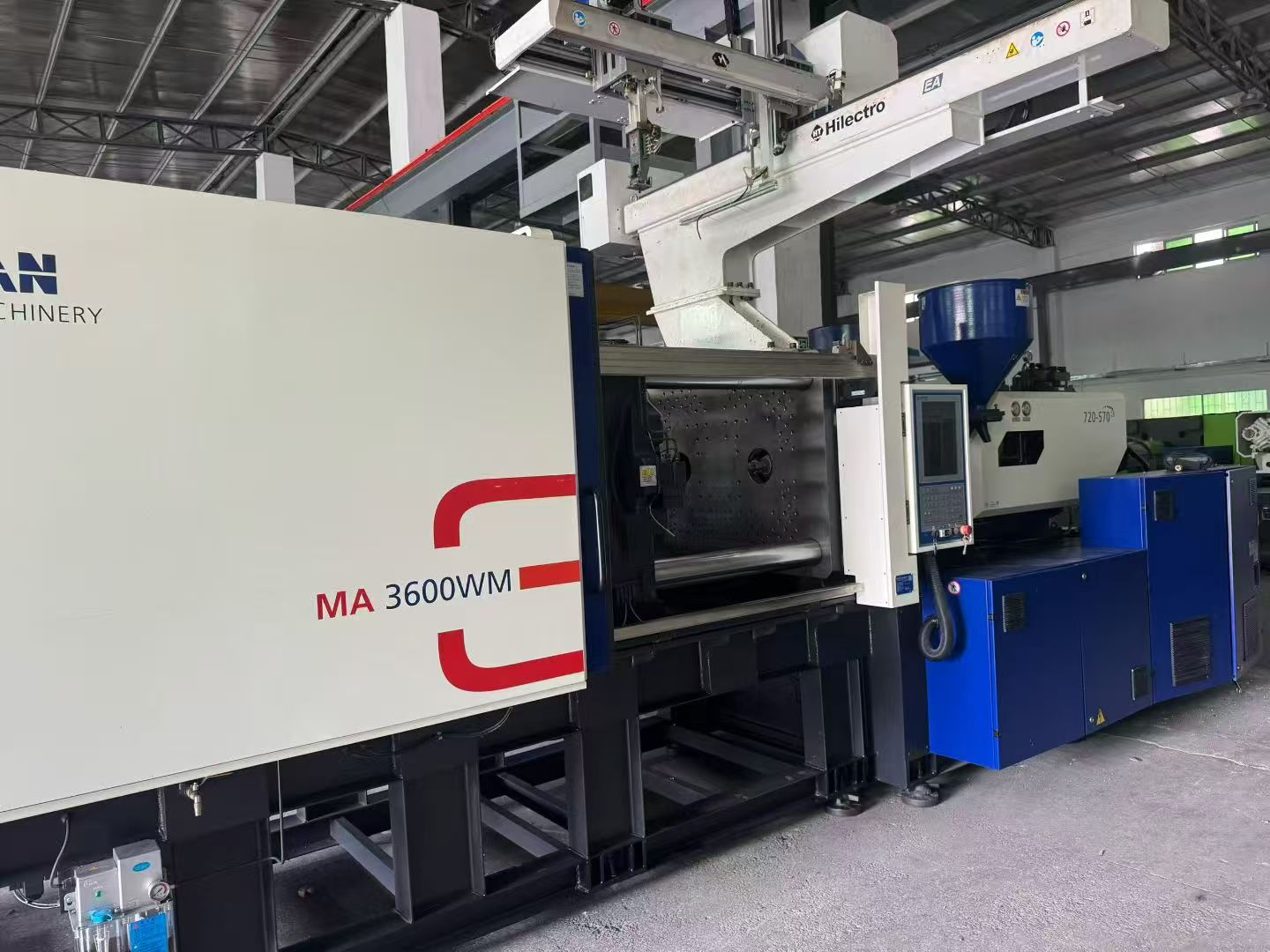

Used Injection Molding Machine Export Documents Checklist For Buyers
When buying a used injection molding machine from China, the machine condition and price are only part of the decision. Overseas buyers also need to confirm export documents, shipment details, customs information, and destination-country requirements before the machine leaves the supplier's warehouse.
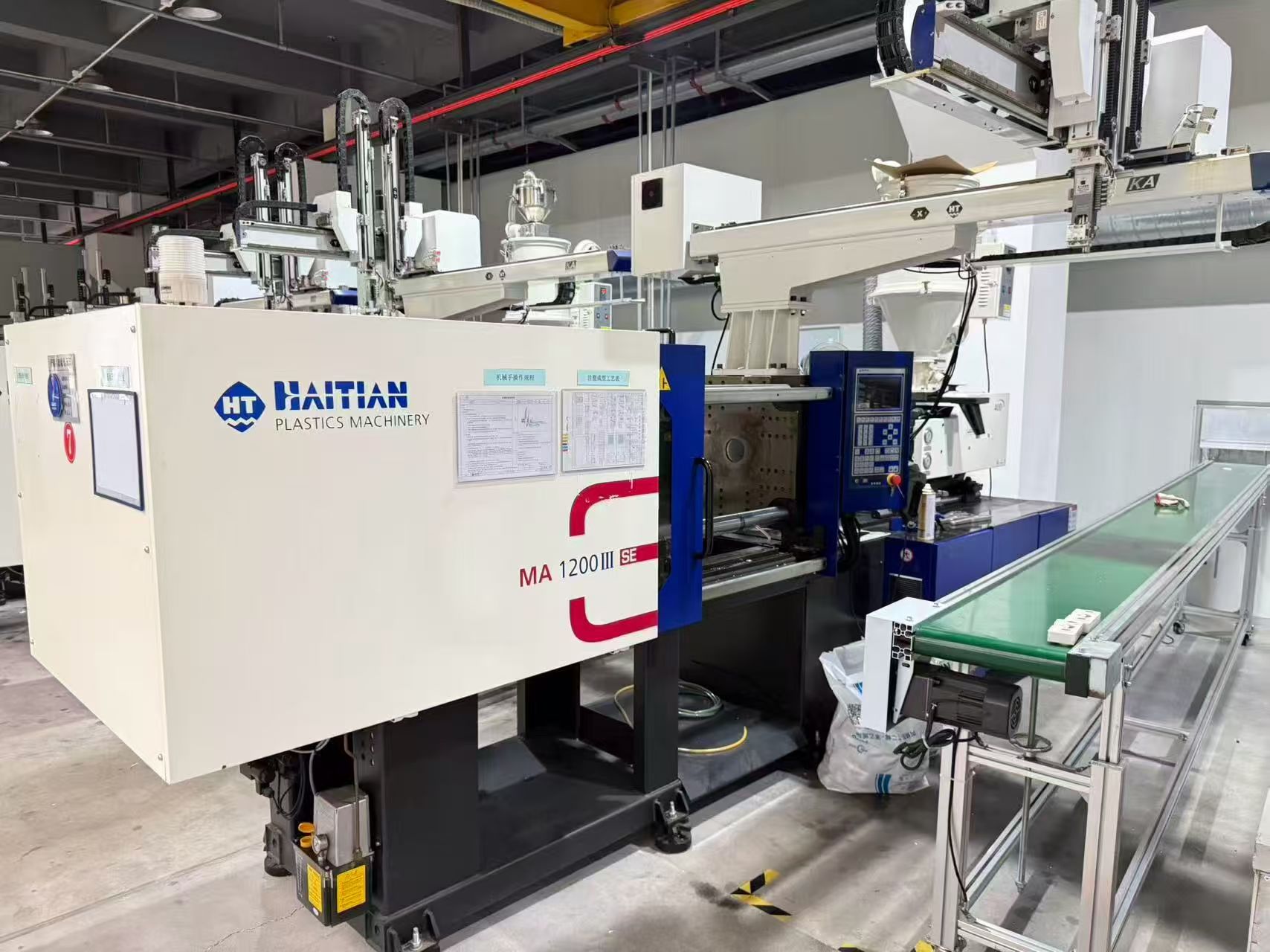
Incomplete documents can delay customs clearance, increase storage cost, or create confusion between the buyer, freight forwarder, customs broker, and supplier. This is especially important for second hand injection molding machines because the machine may be large, heavy, used, and shipped with accessories, spare parts, or disassembled components.
This checklist explains the common export documents and practical details buyers should confirm before shipping a used injection molding machine, used Haitian injection machine, PET machine, blow molding machine, or other plastic machinery.
1. Commercial Invoice
The commercial invoice is one of the most important export documents. It usually includes the seller, buyer, machine description, quantity, unit price, total price, currency, trade term, and payment reference.
For a used injection molding machine, the description should be clear enough for customs and the buyer's import documents.
Useful invoice details include:
- Machine type
- Brand and model
- Used or second hand condition
- Quantity
- Unit price and total amount
- Currency
- Trade term, such as FOB, CIF, CFR, or EXW
- Seller and buyer information
- Destination country
Buyers should check whether the invoice description matches the machine quotation and packing list.
2. Packing List
The packing list helps the buyer, forwarder, and customs broker understand how the machine is packed and loaded. For large used machines, this document should include package quantity, dimensions, gross weight, net weight, and item description.
For injection molding machines, the packing list may include:
- Main machine body
- Controller or electrical cabinet
- Hopper, dryer, robot, conveyor, or auxiliary equipment if included
- Spare parts
- Tools or accessories
- Disassembled covers or guards
If the machine is shipped in one container without wooden cases, the packing list should still show the machine dimensions and weight clearly.
Before shipment, confirm:
- Is the machine loaded as one unit or separated?
- Are accessories listed separately?
- Do the weight and dimensions match the loading plan?
- Does the packing list match the bill of lading details?
3. Bill Of Lading
The bill of lading is issued by the shipping line or forwarder after loading. It is a key document for sea freight and destination customs clearance.
Buyers should check:
- Shipper
- Consignee
- Notify party
- Vessel and voyage
- Port of loading
- Port of discharge
- Container number
- Seal number
- Cargo description
- Package quantity
- Gross weight
- Freight term
Small errors in consignee name, container number, port, or cargo description can cause clearance delays. Buyers should review the draft bill of lading before final release if possible.
4. Machine Photos Before Loading
Photos are not always formal customs documents, but they are very useful for used machinery export. They help buyers confirm that the machine shipped is the machine selected.
Ask for photos of:
- Machine nameplate
- Full machine before loading
- Controller
- Injection unit
- Clamping unit
- Accessories and spare parts
- Machine after wrapping or fixing
- Container loading process
- Container seal after loading
For used injection molding machines, photos can also support insurance claims if damage occurs during transport.
5. Machine Nameplate And Specification Details
Some destination countries or customs brokers may ask for machine specifications. Buyers should collect these before shipment rather than waiting until the container arrives.
Useful details include:
- Brand
- Model
- Year
- Clamping force
- Screw diameter
- Machine weight
- Machine dimensions
- Power requirement
- Country of origin if available
- Used condition statement if required
If buying a used Haitian injection molding machine, the model and nameplate should match the quotation, invoice, and photos.
6. HS Code Confirmation
The HS code is used for customs classification. The exact code can vary by destination country and customs broker interpretation. Suppliers can provide a suggested code, but the buyer should confirm the final import code with a local customs broker.
Do not assume that all plastic machinery uses the same code in every country. A machine, mold, auxiliary equipment, and spare parts may require different classifications.
Before shipment, buyers should ask:
- What HS code does the supplier suggest?
- Does the destination customs broker agree?
- Are spare parts or auxiliary equipment listed separately?
- Are used machines subject to special import rules?
This step can prevent surprises in duty, tax, or import restrictions.
7. Certificate Or Special Document Requirements
Some buyers may need additional documents depending on destination country, machine type, payment method, or customs requirements.
Possible documents include:
- Certificate of origin
- Fumigation certificate for wooden packing
- Inspection certificate
- Insurance policy
- Packing declaration
- Used machinery condition statement
- Import permit or pre-shipment inspection document
Not every shipment needs these documents. The buyer should ask the local customs broker which documents are required before the machine is loaded.
If wooden packing is used, confirm whether fumigation or IPPC marking is required.
8. Destination Country Requirements
Each country can have different rules for used machinery import. Some countries may require pre-shipment inspection, age limits, cleanliness checks, safety documents, or special import approval.
Before confirming the order, the buyer should check:
- Can used injection molding machines be imported?
- Are there age restrictions?
- Is pre-shipment inspection required?
- Are there special electrical or safety requirements?
- Does customs require original documents?
- Can the buyer clear a used machine without extra certificates?
The supplier can support export documents from China, but the buyer should confirm import rules in the destination country.
9. Payment And Document Release
Document release should match the payment terms agreed between buyer and supplier. For sea freight, the buyer may need original bill of lading, telex release, or sea waybill depending on the arrangement.
Discuss these details early:
- When will documents be sent?
- Will the bill of lading be original, telex release, or sea waybill?
- Who will receive the documents?
- Are there bank requirements?
- Does the buyer need documents before container arrival?
Clear document timing helps avoid demurrage, storage, or clearance delays.
10. Export Document Checklist To Send The Supplier
A simple checklist helps both sides confirm responsibilities before shipment.
Example message:
Before shipment, please help confirm the export documents for the used injection molding machine:
1. Commercial invoice
2. Packing list with machine dimensions and weight
3. Bill of lading draft for checking
4. Machine nameplate photos
5. Full machine photos before loading
6. Container loading photos and seal photo
7. Suggested HS code
8. Certificate of origin if available or required
9. Fumigation/IPPC documents if wooden packing is used
10. Any other document needed for destination customs clearance
This type of request helps prevent last-minute confusion.
11. Common Mistakes To Avoid
Buyers should avoid these common problems:
- Confirming shipment before checking import requirements
- Using unclear machine descriptions on invoice
- Forgetting dimensions and gross weight
- Not reviewing the bill of lading draft
- Missing accessory or spare part details
- Assuming the supplier knows destination-country customs rules
- Waiting until container arrival to ask for documents
- Not confirming whether used machines require special approval
For large used machines, a small paperwork issue can become expensive because container storage and port charges can increase quickly.
FAQ
Can the supplier handle all export documents?
The supplier can usually prepare China-side export documents, invoice, packing list, and loading information. However, the buyer should confirm destination import requirements with a local customs broker.
Do used injection molding machines need special documents?
It depends on the destination country. Some markets have rules for used machinery, age, safety, cleanliness, or inspection. Check before shipment.
Should machine photos be included with documents?
Photos may not be formal customs documents, but they are useful for verification, insurance, and buyer records.
Is HS code the supplier's responsibility?
The supplier can suggest a code, but the buyer or customs broker should confirm the final import classification in the destination country.
Ask Geerpower About Export Preparation
If you are sourcing a used injection molding machine for export, prepare your destination country, preferred machine type, required tonnage, product information, and shipping destination. Geerpower can help check machine options and prepare practical export information for quotation discussion.
Need export support for a used injection molding machine?
Send your destination country, required machine type, tonnage, product details, and shipping needs. Geerpower can help review available machines and prepare quotation details for export discussion.
Publishing Notes
- This article supports export-buyer questions and the shipping/loading content funnel.
- Do not publish before Contact Us and WhatsApp public repair passes.
- Before publishing, add internal links to the shipping/loading checklist after it is published, quote requirements article after it is published, the used Haitian buyer guide, products page, and
/contact-us. - If shipping/loading or quote-requirements articles are not published yet, save those internal links for a later update.
- After publishing, verify the page title, meta description, H1, CTA, internal links, and sitemap behavior.