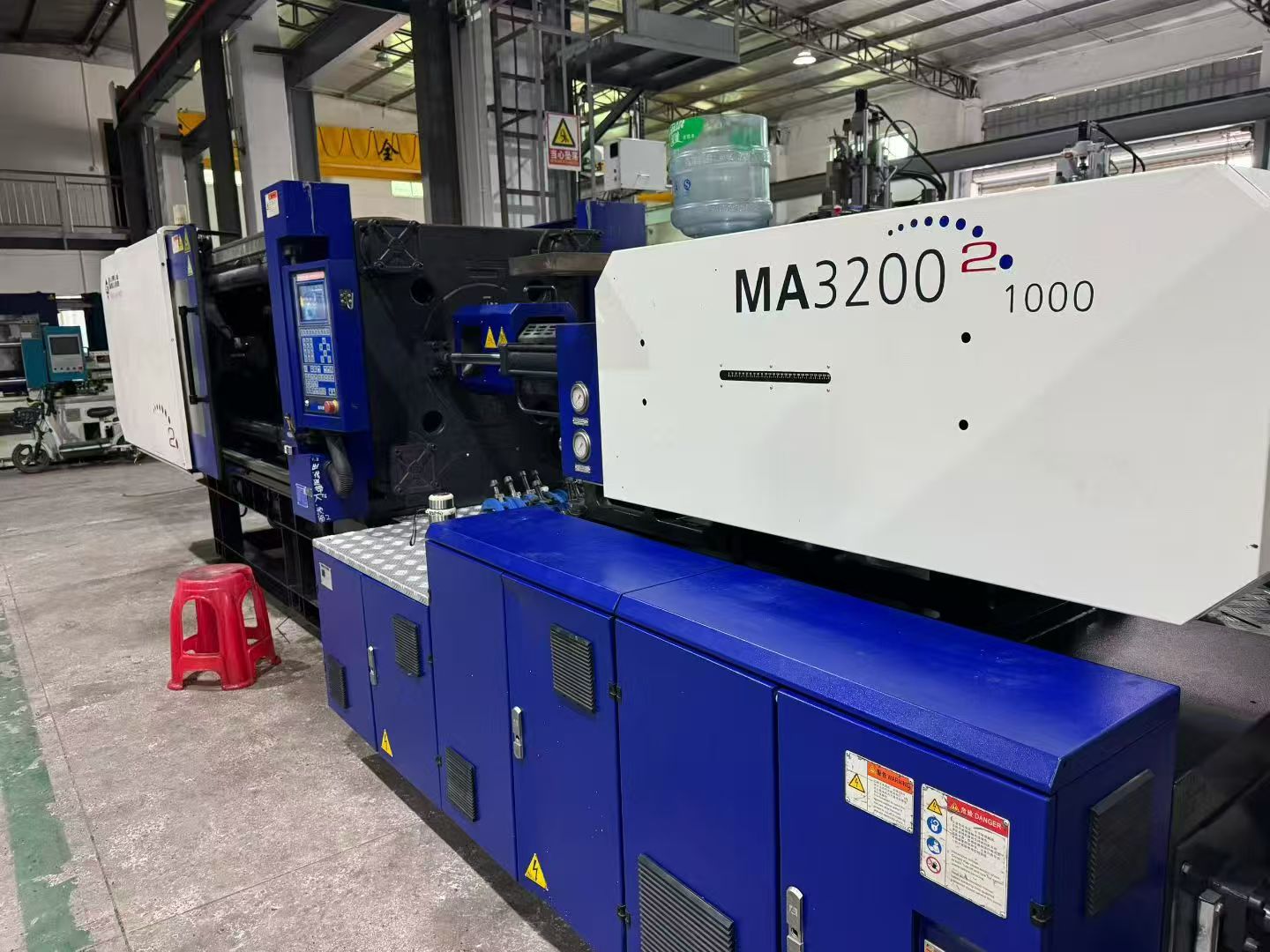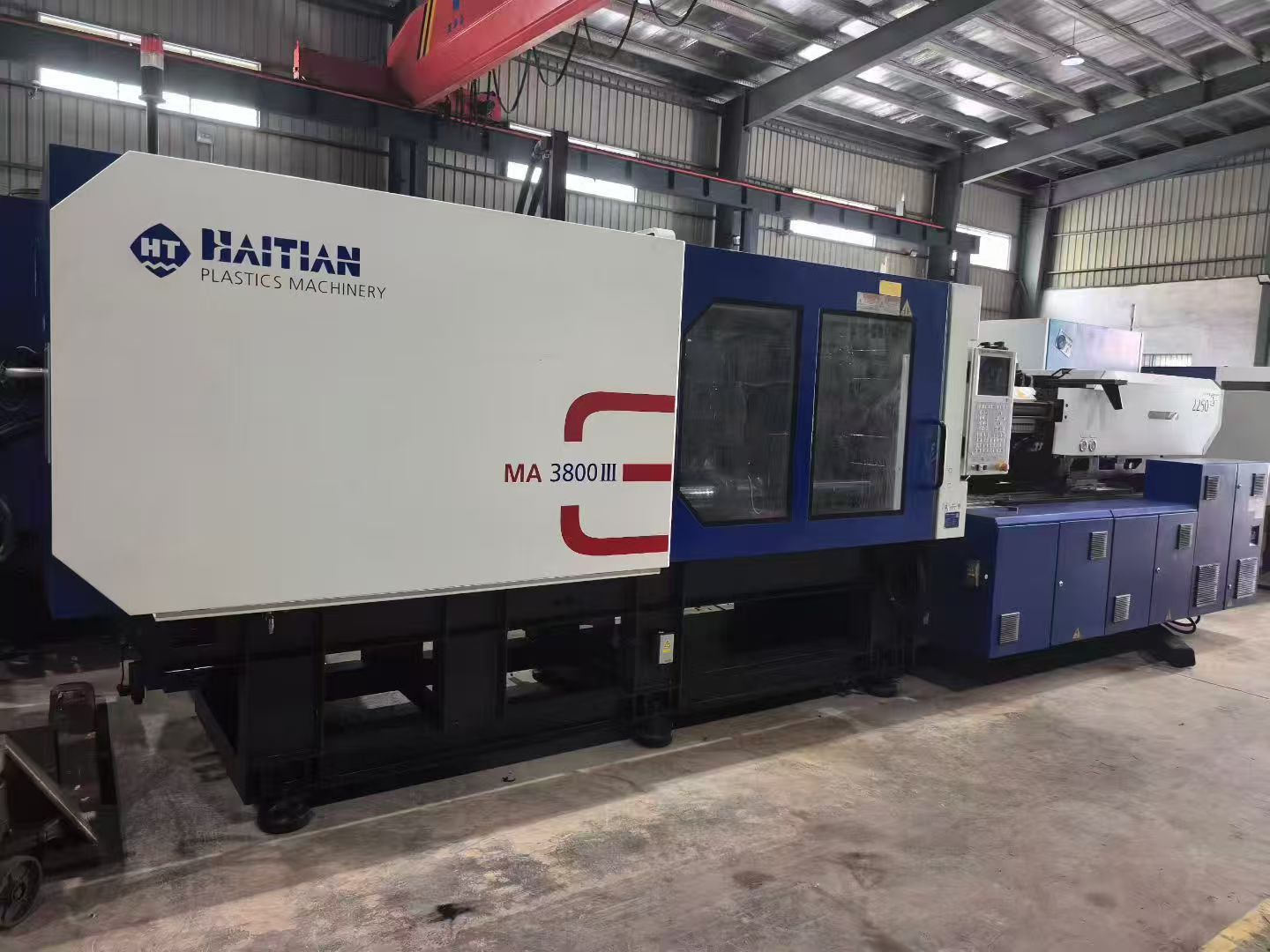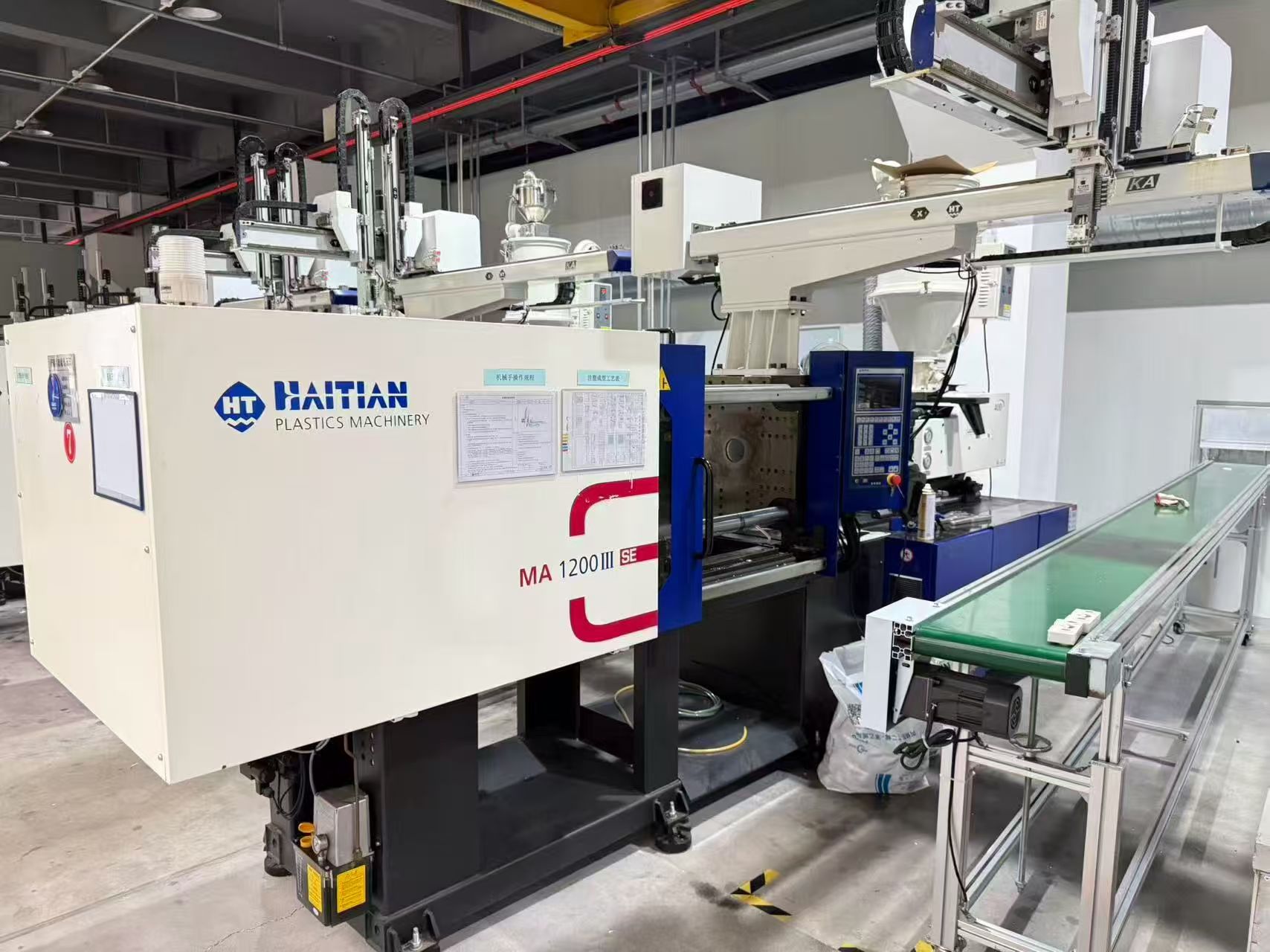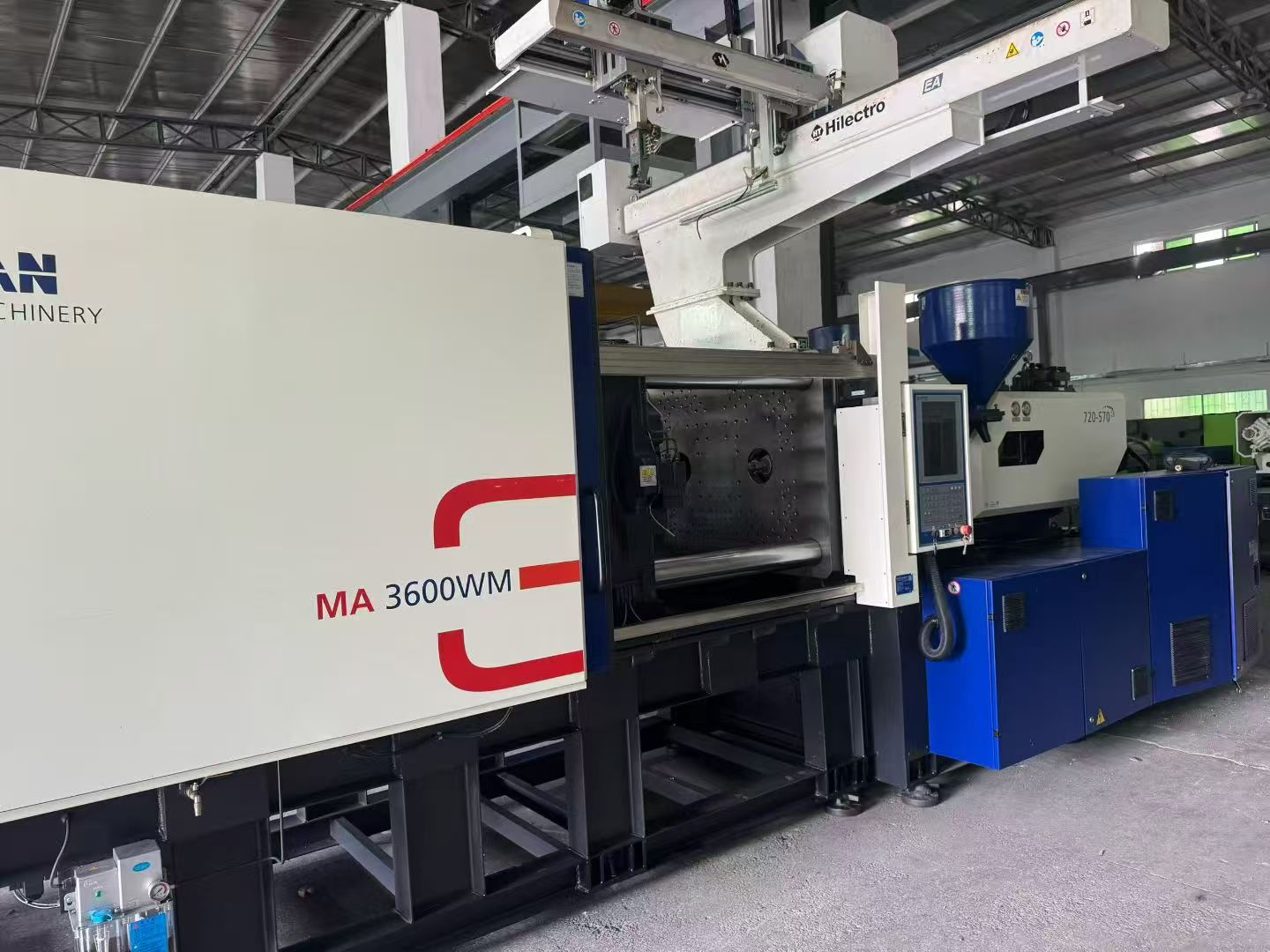

A plastic crate production line needs more than a general used injection molding machine. Crate projects usually require stable clamping force, enough shot capacity, good platen space, reliable cooling, and auxiliary equipment that can support continuous production. For many buyers, a used Haitian machine is a practical option because Haitian machines are widely available, familiar to technicians, and suitable for different crate mold sizes when selected correctly.
Before asking for a quotation, buyers should prepare product and mold information first. A supplier cannot recommend the right used Haitian machine only from the words "plastic crate." The machine choice depends on crate size, crate weight, wall thickness, material, mold dimensions, number of cavities, and required daily output.
Why Used Haitian Machines Are Often Considered For Plastic Crates
Used Haitian machines are common in the second-hand injection molding market. This makes them easier to compare, inspect, and match with existing molds. For plastic crate production, buyers often look for machines in medium to large tonnage ranges because crate molds can require a large projected area and strong clamping force.
A used Haitian machine can be a good fit when:
- The machine tonnage matches the crate mold projected area.
- The tie-bar space and platen size can fit the mold safely.
- The injection unit has enough shot capacity for the crate weight.
- The hydraulic or servo system runs smoothly under production load.
- The machine can work with the required robot, conveyor, chiller, and cooling system.
The key is not choosing the cheapest machine. The key is choosing a machine that can run the mold steadily.
Information Buyers Should Prepare
To receive a useful quotation for a plastic crate production line, prepare these details:
- Product photo or drawing
- Crate length, width, and height
- Finished product weight
- Plastic material, such as PP or HDPE
- Mold size and mold weight
- Number of mold cavities
- Required production capacity per day
- Available factory voltage
- Whether auxiliary equipment is needed
- Destination country and shipping requirements
With this information, Geepow can review whether a used Haitian machine is suitable or whether another used injection molding machine model is a better match.
Mold Fit Is The First Check
For a plastic crate production line, mold fit is often the first technical checkpoint. Even if the machine tonnage looks suitable, the mold may still be too large for the machine platen or tie-bar spacing.
Buyers should confirm tie-bar distance, platen dimensions, mold thickness range, maximum mold opening stroke, ejector stroke and force, and space for robot or manual part removal.
If the mold does not fit correctly, production can become unstable, unsafe, or impossible. This is why mold drawings are important before confirming a used Haitian machine.
Clamping Force And Shot Capacity
Plastic crates usually have a larger projected area than small household products. If clamping force is too low, buyers may face flash, poor part quality, or unstable cycles. If the injection unit is too small, the machine may not fill the crate mold properly.
When reviewing a used injection molding machine for crate production, check clamping force margin, screw diameter, theoretical shot volume, plasticizing capacity, injection pressure, and cycle time expectations.
The correct machine should support the crate mold without forcing the machine to work at its limit every cycle.
Auxiliary Equipment For A Complete Plastic Crate Production Line
A plastic crate production line may require more than the main injection molding machine. Depending on the project, buyers may also need a hopper dryer, auto loader, chiller or cooling tower, mold temperature controller, crusher or granulator, mixer, robot arm, conveyor, air compressor, and spare parts.
When comparing quotations, make sure the offer clearly states whether it includes only the used Haitian machine or a complete production line package.
Inspection Points Before Purchase
Before buying a used Haitian machine, request clear photos and running videos. For crate projects, the machine should be inspected carefully because production load can be heavy.
Important inspection points include machine plate and model confirmation, controller startup and alarm status, hydraulic oil leakage, screw and barrel condition, tie-bar and platen condition, servo pump or hydraulic pump performance, clamping movement, injection movement, ejector operation, electrical cabinet condition, and production video with mold trial if available.
For export buyers, loading photos, packing details, and shipment documents should also be confirmed before payment balance.
How Geepow Helps Buyers Choose
Geepow can help overseas buyers compare used Haitian machines and other used injection molding machines according to product requirements, mold data, factory voltage, and shipping destination. Instead of only sending a machine list, the goal is to match the machine to the production need.
Planning a plastic crate production line with a used Haitian machine? Contact Geepow through /contact-us and send your crate size, mold dimensions, product weight, material, voltage, and destination country. You can also reach Jim at Jim@geepow.com or +86-13824358436 for machine matching support.
FAQ
Is a used Haitian machine suitable for plastic crate production?
Yes, a used Haitian machine can be suitable when the tonnage, platen size, tie-bar distance, shot capacity, and mold thickness range match the crate mold requirements.
What information is needed before quoting a plastic crate production line?
Buyers should provide product size, product weight, material, mold dimensions, number of cavities, target output, factory voltage, and destination country.
Should I buy only the injection molding machine or a complete line?
It depends on your factory setup. If you already have dryers, chillers, loaders, and conveyors, you may only need the machine. If this is a new project, a complete line package may be more practical.
Why is mold size important when choosing a used Haitian machine?
The mold must fit the tie-bar space, platen size, mold thickness range, and opening stroke. A machine with suitable tonnage may still be unsuitable if the mold does not physically fit.
Can Geepow help inspect a used Haitian machine before shipment?
Yes. Geepow can support machine model confirmation, photo and video checks, loading preparation, export documents, and machine matching for overseas buyers.