
Why buyers keep looking at a Yizumi 200ton used injection machine
A yizumi 200ton used injection machine sits in a very practical part of the market. It is large enough for serious production, but not so large that it forces a buyer into oversized power demand, floor space, or capital risk. For sourcing managers and plant engineers, that middle ground matters. A 200 ton injection molding machine can support steady output for housings, packaging parts, consumer components, and a long list of industrial plastic parts, yet the used market often makes it far more accessible than a new press.
That is the real search intent behind this topic. Buyers are not just asking, “What is this machine?” They are trying to decide whether a used Yizumi injection molding machine is a sensible production asset, what to inspect before purchase, and how to avoid buying a press that looks acceptable on paper but becomes a maintenance burden on the floor.
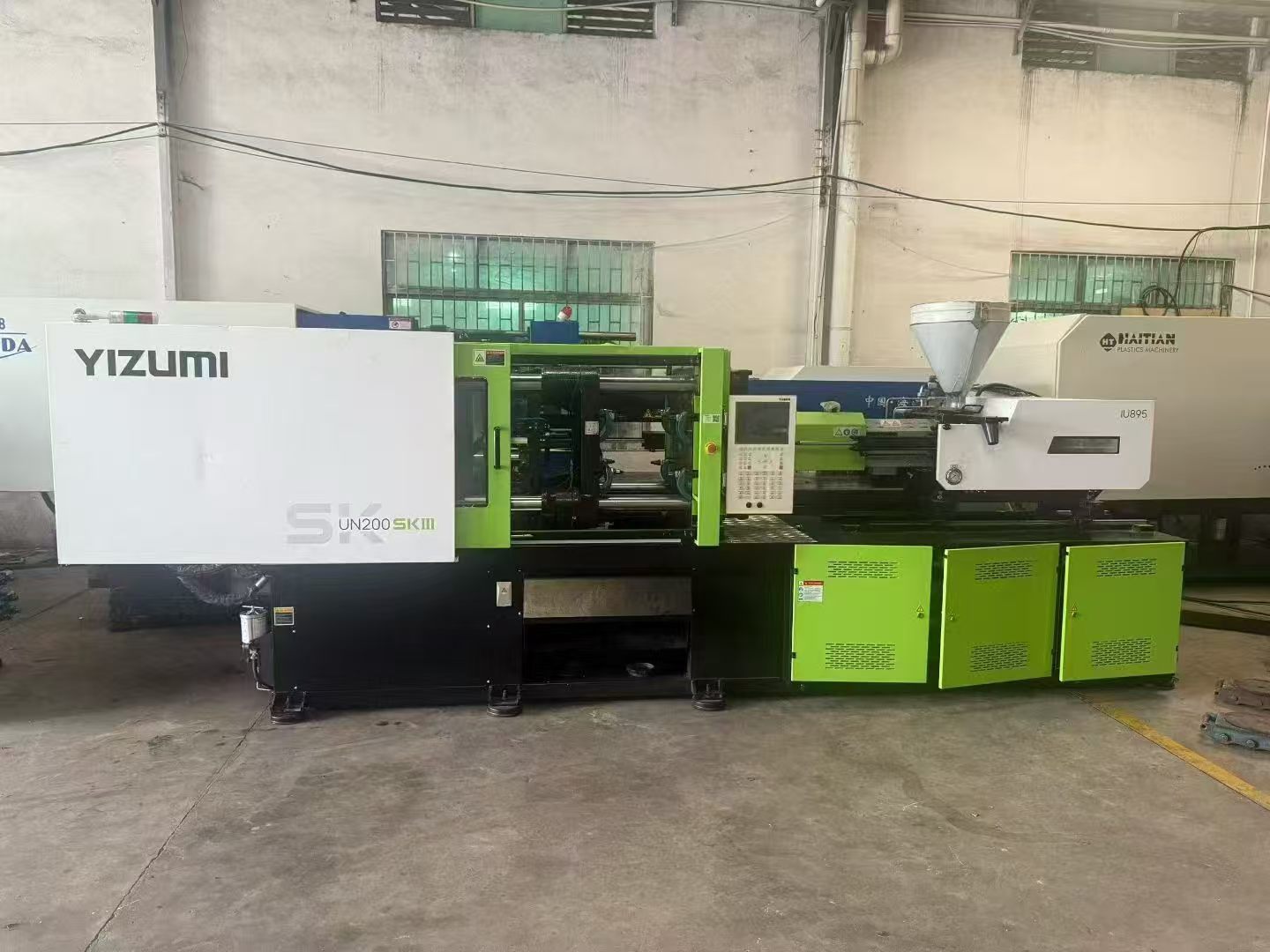
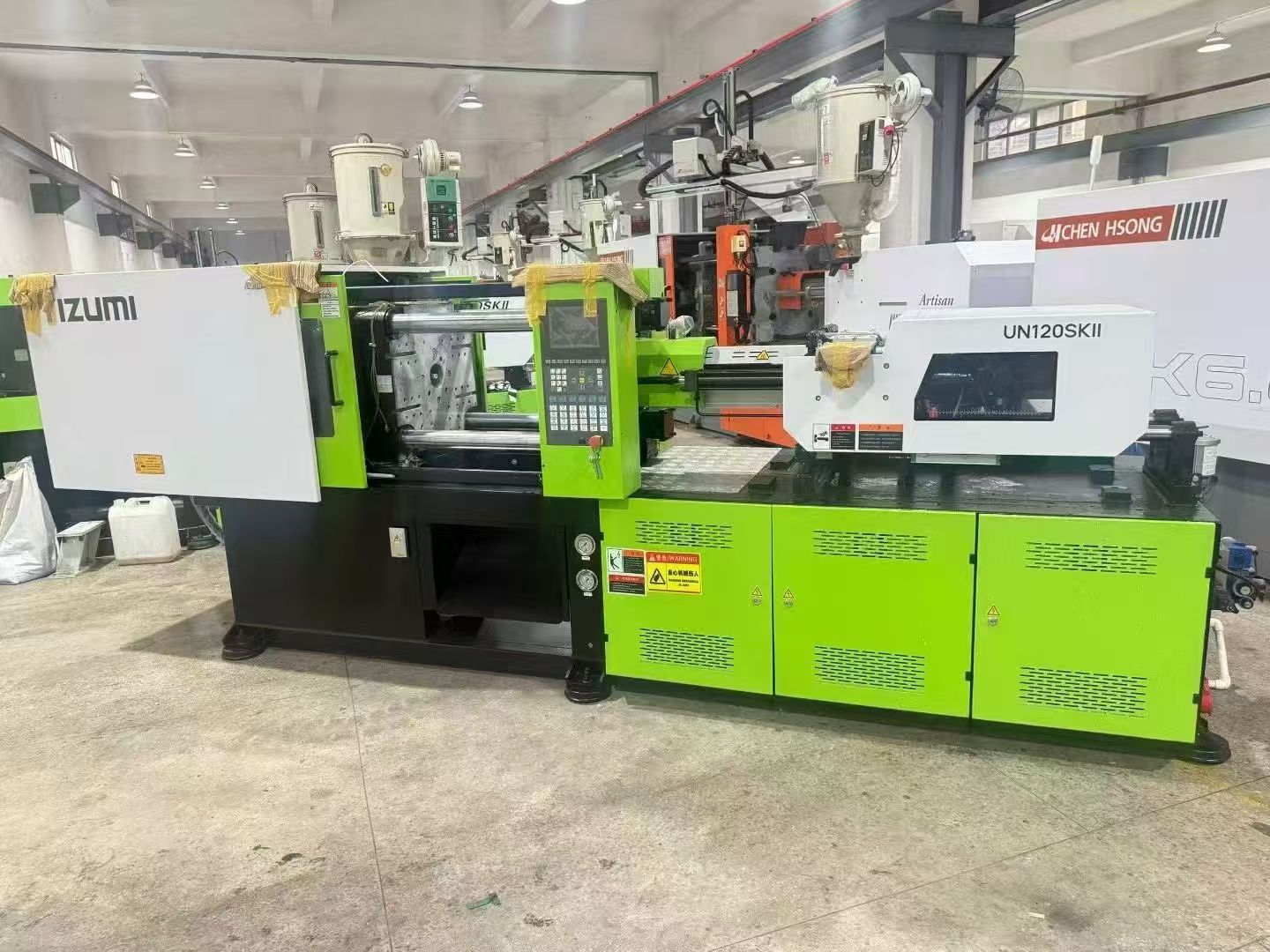
The machine pictured and described here appears to be a YIZUMI unit marked “UN200 SKII,” with the familiar layout of a horizontal plastic injection press: clamping unit in the center, hopper-fed injection unit on the right, safety guards around the molding area, and a control panel/HMI for operation. Exact specifications are not visible, so any serious buying decision still depends on a physical inspection and machine history. That caution is worth stating up front.
What a 200 ton machine is typically used for
A 200 ton used plastic machine usually occupies a sweet spot in plastic processing. It is commonly associated with parts that need stable clamping force without requiring a very large press. In practical terms, that often includes:
- plastic housings and covers
- consumer goods components
- packaging-related parts
- industrial fittings and functional enclosures
- certain automotive trim or interior components
The exact fit depends on mold size, projected area, resin type, and part geometry. A buyer should not assume that “200 ton” automatically means suitable for every medium-size part. Two molds that look similar can place very different demands on clamp force and shot capacity. That is why part print review matters as much as the machine badge.
For many factories, a second hand injection molding machine in this range is attractive because it can support repeatable production without the long depreciation curve of a new machine. If the machine is in good condition, the buyer gets production capability rather than a speculative equipment bet.
Why Yizumi is often on the shortlist
Yizumi used machinery shows up often in the secondary market because the brand is widely recognized in industrial molding circles. Buyers tend to associate it with mainstream production use, which makes resale and service conversations easier than with an obscure brand. That said, brand reputation is not a substitute for condition.
When people search for a Yizumi 200T used machine, they usually want two things at once: dependable molding performance and a reasonable acquisition cost. The balance is appealing, but it only works if the machine still holds clamp alignment, runs a stable hydraulic or electric cycle as designed, and does not have hidden wear in the screw, barrel, tie bars, platen surfaces, or controls.
A practical aside: many used presses look fine when powered on and sitting idle. The problems often appear after warm-up, during clamp movement, or when the machine is asked to run a real mold at production speed. That is where inspection discipline matters.
What to inspect before buying
A used plastic injection machine can be a strong purchase, but only if the buyer checks the right things. This is where engineering judgment beats a quick visual walk-around.
1. Clamp unit condition
The clamping unit does the hard mechanical work. Check platen parallelism, tie bar wear, guide movement, and any sign of uneven closing. If the machine struggles to close smoothly or shows inconsistent motion, the repair cost can rise quickly.
2. Injection unit behavior
Look at the screw, barrel, heater bands, and nozzle area. Signs of long-term resin leakage, corrosion, or unstable heating can indicate more than routine wear. On a used Yizumi injection molding machine, the injection unit should respond predictably, not hesitate or surge.
3. Controls and electrical cabinets
The HMI and control system should be clear, responsive, and free from improvised wiring. Cabinet condition matters more than many first-time buyers expect. If maintenance has been patchy, small issues can become recurring downtime.
4. Hydraulic system, if applicable
Many buyers focus on the visible press structure and overlook the fluid side of the machine. Check for leaks, abnormal noise, pump wear, and fluid condition. A machine can look tidy outside and still have a tired hydraulic system inside.
5. Evidence of real production use
Ask what materials the machine processed, what duty cycle it ran, and whether the seller can show recent test shots or actual running video. For a used Yizumi 200ton used injection machine, a short demonstration under load is far more useful than a static photo set.
How to judge whether the price is justified
Buyers sometimes compare a second hand injection molding machine only by tonnage and appearance. That is too shallow. Price, in this segment, should reflect more than brand and size. It should reflect wear level, control condition, service history, and the practical cost of recommissioning.
A reasonable framework is this: if the machine needs only normal cleaning, calibration, and minor parts replacement, it can be a strong value. If it needs significant repairs to clamp mechanics, injection components, or the control system, the apparent savings can disappear fast. The machine may still be worth buying, but only if the production timeline and budget allow for refurbishment.
GEEPOW Machinery, for example, states that it offers quality used injection molding machines from 90 to 2800 tons, with over 300 models in stock. For buyers comparing multiple options, that kind of inventory breadth can help match machine size to the actual job rather than forcing the mold to fit the machine available.
Common mistakes buyers make
The most common mistake is treating a used press like a commodity. It is not. Two machines with the same nominal tonnage can behave very differently in production.
Another mistake is ignoring the mold the machine will actually run. A 200 ton injection molding machine may be correct in theory, but if the mold requires a different platen size, tie-bar spacing, or shot profile, the machine becomes awkward or unusable.
Buyers also sometimes skip checking the control interface because the machine powers up normally. That can be false comfort. Controls affect setup speed, operator training, and troubleshooting. In a busy plant, those things translate directly into cost.
Finally, some teams underestimate logistics. A used machine needs rigging, transport planning, installation checks, and utility matching. The purchase is only the start.
Questions to ask the seller
Before committing to an injection molding machine for sale, ask for the basics in plain language:
- What model designation is stamped on the machine?
- What was the previous application?
- What materials were processed?
- Is the machine currently running, and can it be demonstrated?
- Are there known issues with clamp, injection, hydraulics, or controls?
- What parts have been replaced recently?
These questions are simple, but they separate a serious seller from a vague listing. If the answers are evasive, treat that as information.
Why this type of purchase can make operational sense
For engineering teams, buying used equipment is often less about saving money in a headline sense and more about reducing risk in a production launch. If demand is proven and the part family is stable, a used Yizumi injection molding machine can let a factory add capacity faster than waiting for a new build. That can be especially useful when a project needs to start producing parts before the market window closes.
There is a trade-off, of course. You may accept older cosmetics, a shorter remaining service life, or the need for some refurbishment. But many factories can live with that if the machine is mechanically sound and the application is well matched.
Buyer-facing takeaway
If you are evaluating a yizumi 200ton used injection machine, focus on the match between the press and your mold, then verify actual condition under load. Do not buy on tonnage alone. Do not trust a clean exterior alone. And do not assume that a familiar brand name replaces a careful inspection.
For teams searching for a practical second hand injection molding machine, the best path is usually to compare several units, review running evidence, and factor in recommissioning cost before signing. A machine that looks modest on paper can be the right asset if it is mechanically healthy and fit for the product family.
FAQ
Is a used Yizumi machine suitable for mass production?
It can be, if condition, maintenance history, and mold compatibility are all acceptable. Used does not automatically mean unreliable, but it does mean inspection is non-negotiable.
Is 200 ton enough for all medium-sized parts?
No. Part geometry, projected area, resin, and mold design determine the real clamp requirement. Tonnage is only one part of the equation.
What should a buyer prioritize first?
Clamp condition, injection stability, controls, and proof of real running performance. Cosmetics matter far less than repeatable production behavior.
Where do buyers usually find these machines?
Through used machinery suppliers, plant closures, and equipment dealers who stock multiple tonnage ranges. Inventory depth matters because it improves the chance of matching the press to the job.
Next step for sourcing teams
If your plant is comparing options in this class, start with a short list of machines that fit your mold envelope and production target, then request live running evidence and a condition report. A yizumi 200ton used injection machine can be a smart, production-ready buy, but only when the technical fit is checked with the same discipline you would use for a new asset.