
Why buyers start comparing the Yizumi T480P5 New Injection Machine in the first place
When a plastics plant starts looking at a Yizumi T480P5 New Injection Machine, it is usually not because the existing line is perfect. More often, the pressure is coming from somewhere practical: a need for steadier output, lower scrap, better repeatability, or a machine that can handle a new mold without turning the production schedule into a guessing game. For engineers and sourcing managers, the real question is rarely whether the machine is “good.” It is whether this injection molding machine fits the job, the factory layout, and the economics of the next few years.
That is especially true in injection molding, where small differences in clamping behavior, control stability, and energy use can affect part consistency and downstream assembly. A plastic injection molding machine is not just a press. It is a production decision that touches tooling, labor, maintenance, utility load, and the buyer’s tolerance for downtime. If the purchase is wrong, the cost is paid in rejects and interruptions, not just in capital expense.
What the T480P5 tells you, and what it does not
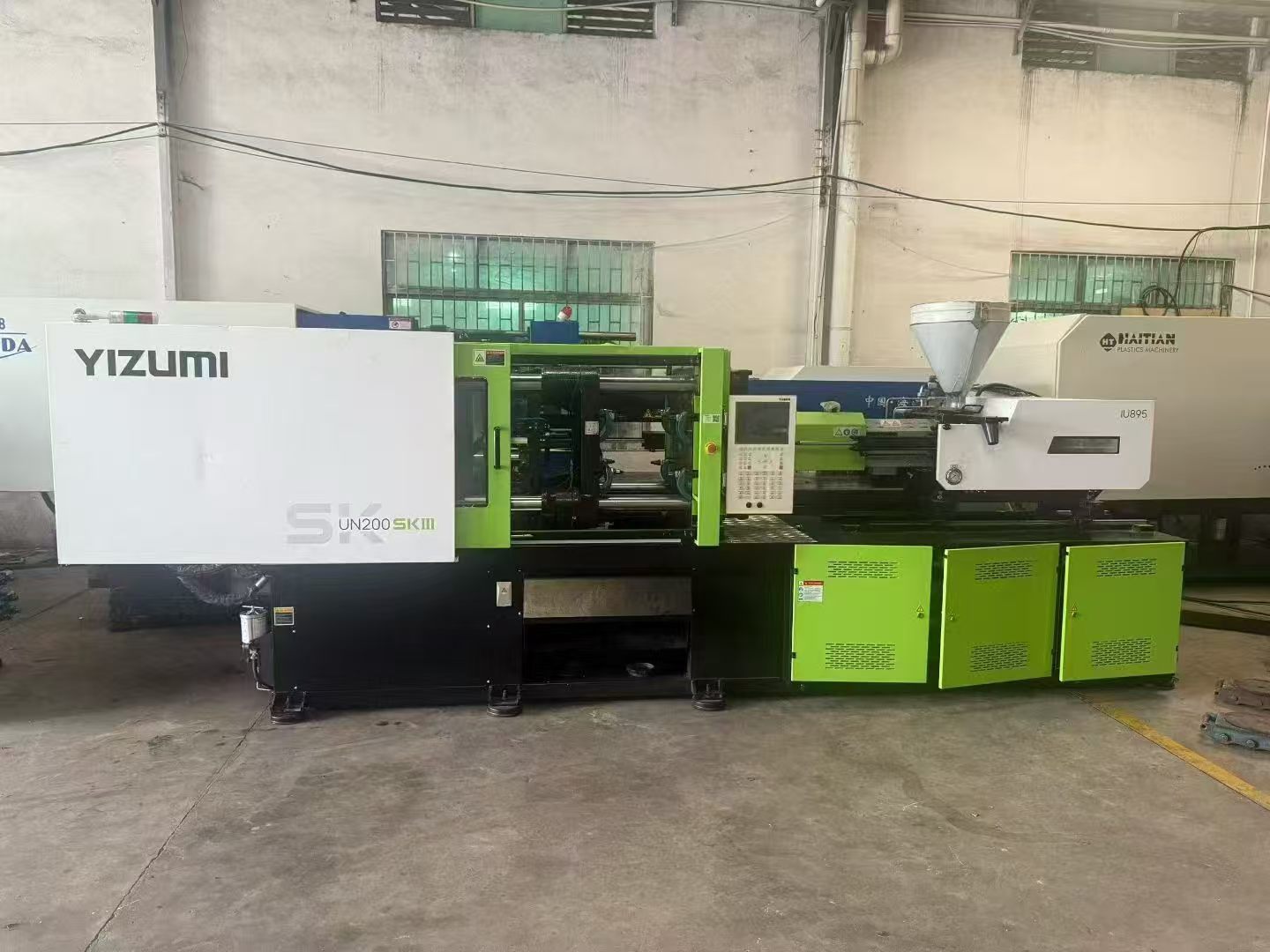
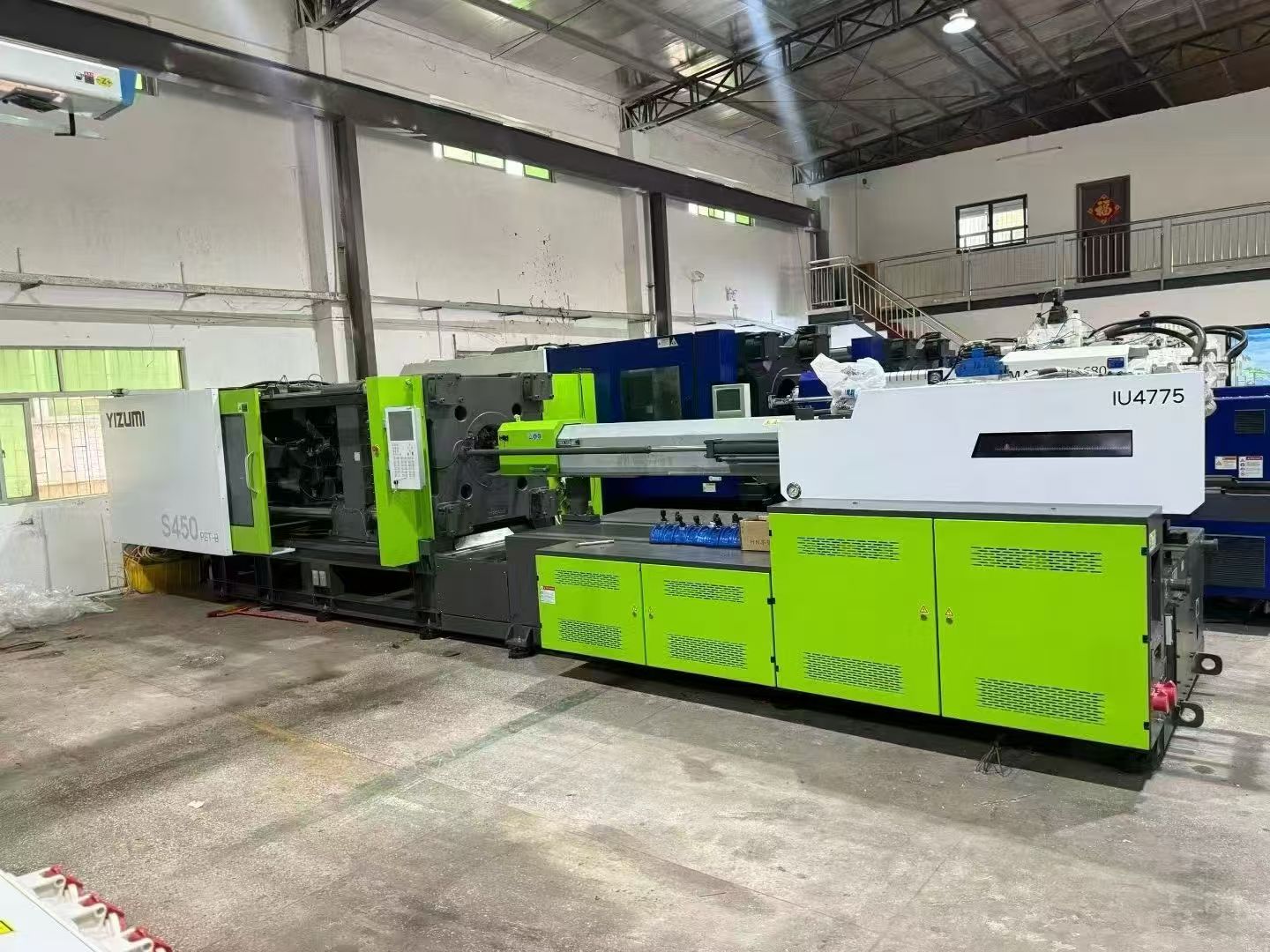
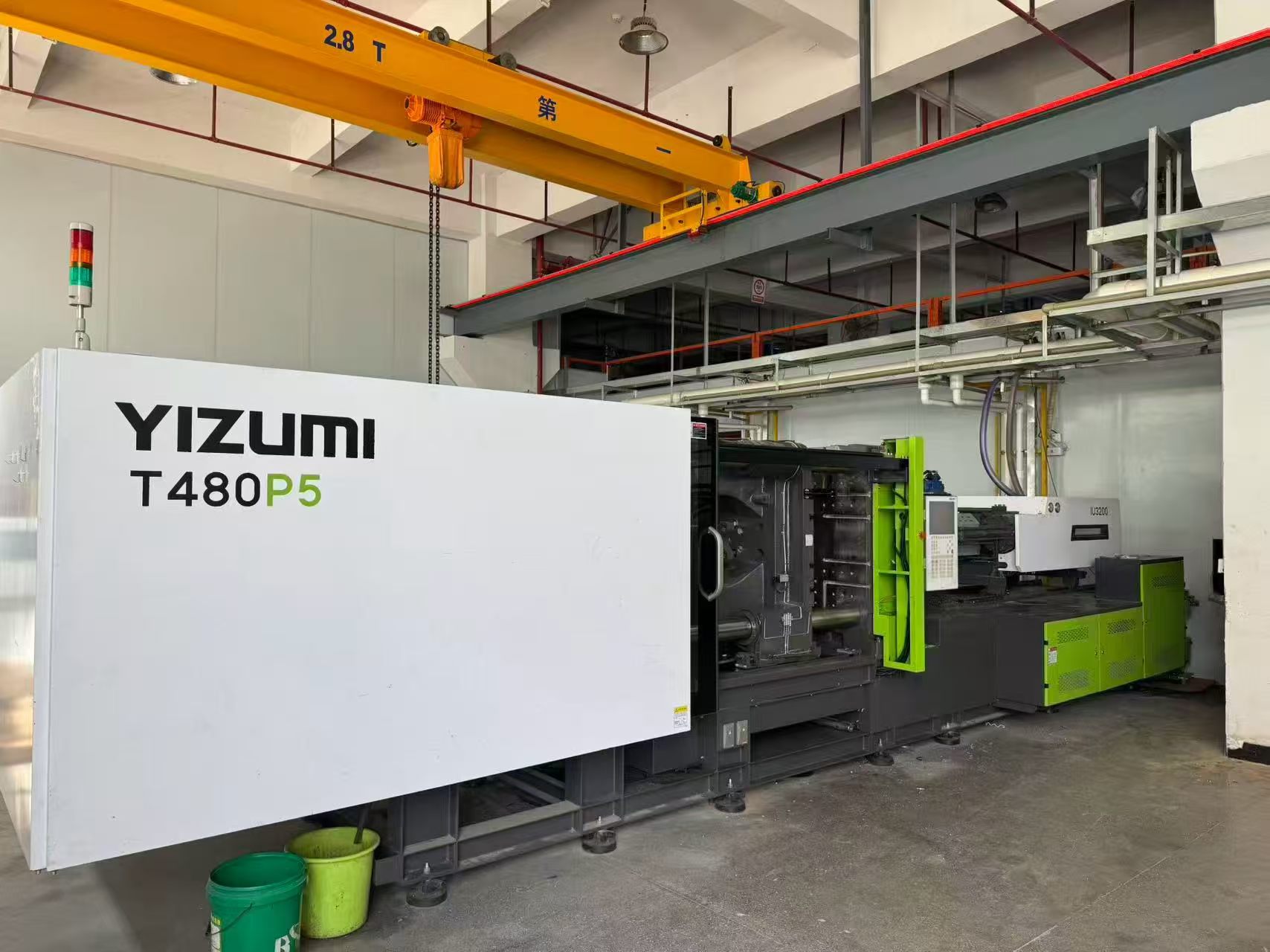
Based on the visible product information, the YIZUMI T480P5 is a large industrial molding press used for plastic part production. The machine’s form factor is typical of heavy-duty industrial molding equipment: enclosed processing area, dark base and clamping section, white outer cover, green access panels, control console, and a signal tower mounted above. In a live plant environment, that usually means the machine is intended for repeatable production rather than experimental work or small-batch hand loading.
The model marking, T480P5, is useful as a purchasing starting point, but it is not enough on its own to make a technical approval. The exact tonnage, shot size, control package, mold space, and energy profile are not provided here, so they should not be assumed. Buyers should treat any Yizumi machine specification sheet as a required document, not a sales accessory. The same applies to any claim about the Yizumi T480P5 specification. If the data is not in writing, it is not yet part of the decision.
Where a servo injection molding machine can make operational sense
A lot of buyers today are not simply shopping for a new injection molding machine; they are comparing operating costs over time. That is where a servo injection molding machine often enters the conversation. In general industry practice, servo-driven systems are valued because they can support better power management than older constant-speed designs. Whether that translates into a meaningful gain depends on the duty cycle, the part family, and how the machine is used on the floor.
For a plant running long shifts and repetitive cycles, an energy saving injection machine may reduce pressure on utilities and improve the economics of high-volume molding. That matters most when the machine spends much of its life in production rather than sitting idle. Still, buyers should be careful not to buy on the phrase alone. Energy savings are real only when the machine is matched to the application, the mold is stable, and the process windows are disciplined.
Common production jobs for a new injection molding machine
The visible machine category suggests use in standard plastics manufacturing tasks: housings, covers, industrial components, consumer product parts, and other repeatable molded items. In plain terms, this is the kind of equipment a factory chooses when it needs parts that look the same today, tomorrow, and next month.
That repeatability is what makes an injection molding machine valuable. The press helps convert plastic resin into a finished shape under controlled pressure and temperature, using a mold as the defining surface. For buyers, the real issue is not just whether the machine can form a part. It is whether it can do so consistently enough to protect downstream assembly, quality inspection, and shipping commitments.
Typical buyer priorities in this segment
A sourcing manager often looks first at footprint, utility demands, and available mold compatibility. An engineer usually looks at process stability, clamp behavior, and whether the control system can support the required window. A production manager is thinking about uptime, operator ease, and how quickly the team can recover from a fault or changeover. Those priorities do not always line up neatly, which is why new machine decisions can drag on longer than anyone wants.
How to evaluate a Yizumi machine before purchase
The smart way to assess a Yizumi injection machine is to separate visible condition from hidden performance. A machine can look clean and still be a poor fit. A machine can also look plain and still be a strong production asset if its core systems are sound.
Start with the basics:
- Confirm the actual tonnage and whether it matches the mold family.
- Check shot size and plasticizing capability against part weight and runner system.
- Review the control system and whether it supports your operators and maintenance staff.
- Ask about maintenance history, wear items, and any repaired assemblies.
- Inspect clamp section condition, tie bars, platen surfaces, and guarding.
- Verify that the machine can be installed within your power, air, and cooling constraints.
Those checks sound ordinary, but they are where many used-machine purchases go wrong. The machine may have the right nameplate family and still be wrong for the mold. Or the machine may be technically capable, but the factory may not have room for safe access and service clearance. That is the kind of problem that shows up after installation, which is the worst time to discover it.
Why used industrial molding equipment is often part of the buying strategy
GEEPOW Machinery states that it offers used injection molding machines from 90 to 2800 tons, with over 300 models in stock. For many buyers, that matters because used industrial molding equipment can shorten the path from requirement to production, provided the machine is properly screened.
Used equipment is not a compromise by default. In some plants, it is the practical way to add capacity, backfill a line, or support a new product without waiting for a full new-machine budget cycle. The tradeoff is that the buyer must do more diligence. The machine’s past use, service condition, and suitability for the intended mold become more important than any brochure wording.
A careful buyer will also look at the surrounding ecosystem: spare parts availability, service support, documentation, and whether the installation team understands the exact machine family. That may sound obvious, but in the real world, a good press can be undermined by poor setup and weak maintenance planning.
Common mistakes buyers make with a new injection machine
The most common mistake is overfocusing on headline machine size and underfocusing on process fit. Tonnage gets attention because it is easy to compare, but tonnage alone does not tell you whether the machine will run your part well. Shot capacity, mold dimensions, screw configuration, and control quality matter just as much.
Another frequent problem is assuming that a newer machine automatically means a better business case. A new injection molding machine can be a strong purchase, but only if it supports your actual production pattern. If the part family is simple and volumes are stable, a well-maintained used press may be the smarter capital choice.
Finally, some buyers underestimate installation logistics. The visible overhead crane and workshop setting around the T480P5 are reminders that these are not lightweight purchases. Moving, positioning, aligning, and commissioning a press takes planning. The factory has to be ready before the machine arrives, not after.
Practical buyer advice: what to ask before you commit
If you are evaluating the Yizumi T480P5 New Injection Machine or a similar model, ask for the machine specification in writing and compare it against your mold and part data. Then ask for the operational history if it is a used unit. If the supplier cannot explain the machine’s condition clearly, treat that as a warning sign.
It also helps to define the decision in business terms. Are you trying to lower unit cost, increase capacity, replace aging equipment, or qualify a new product family? The same press can look attractive under one scenario and awkward under another. Buyers sometimes lose time because they discuss machine features before they agree on the production objective.
FAQ
Is the Yizumi T480P5 suitable for all plastic parts?
No machine is suitable for all parts. The real answer depends on tonnage, shot size, mold size, part geometry, and process requirements. The T480P5 should be evaluated against your specific application, not as a universal solution.
Does a servo injection molding machine always save energy?
Not always. Energy performance depends on operating pattern, cycle structure, and process stability. A servo system can be beneficial, but it should be proven against your actual production conditions.
Should I choose new or used?
That depends on budget, risk tolerance, and schedule. New equipment may provide a cleaner starting point, while used industrial molding equipment can offer faster deployment and better capital efficiency if the inspection is thorough.
Next step for buyers who need a machine now
If the Yizumi T480P5 is on your shortlist, the next move is simple: get the full machine specification, confirm the fit against your molds, and inspect the condition with production in mind rather than showroom eyes. For companies comparing options, a supplier like GEEPOW Machinery, with a wide range of used injection molding machines and a broad model inventory, can be a useful starting point for screening alternatives side by side.
The right press is the one that can run your parts reliably, fit your plant, and survive real production. Everything else is just a brochure.