
Why buyers still look at a Haitian used injection machine
A Haitian used injection machine sits in a very practical part of the capital equipment market. New machines are attractive when a plant wants the latest controls, fresh warranty terms, and a clean commissioning path. But for many sourcing managers and production teams, the real question is simpler: how do you add reliable molding capacity without tying up too much capital? That is where a used machine, especially a recognizable industrial platform like Haitian, often enters the conversation.
The appeal is not hard to understand. Injection molding is a repeatable, high-volume process, and the machine itself is only one part of the production equation. Tooling, resin, utilities, maintenance, and operator discipline often decide whether a line makes money. If the machine platform is solid and the previous owner kept it in serviceable condition, a second-hand unit can be a sensible bridge between immediate demand and long-term expansion.
For buyers comparing options, the decision is usually not “used or new” in the abstract. It is whether a particular machine fits the plant’s parts, floor space, utilities, and expected output. That is a more useful question, and it is the one this article is aimed at.
What you can tell from the machine itself
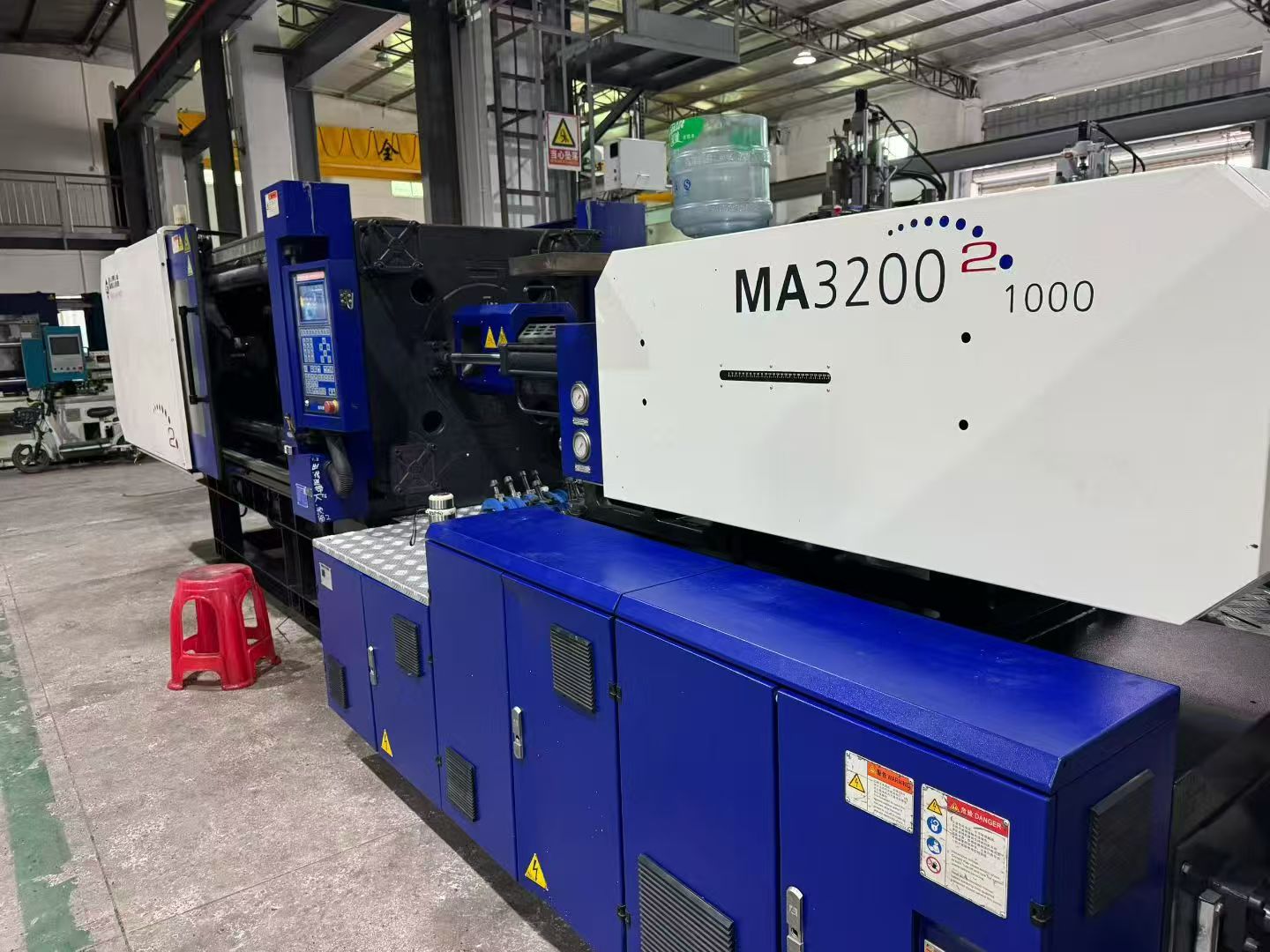
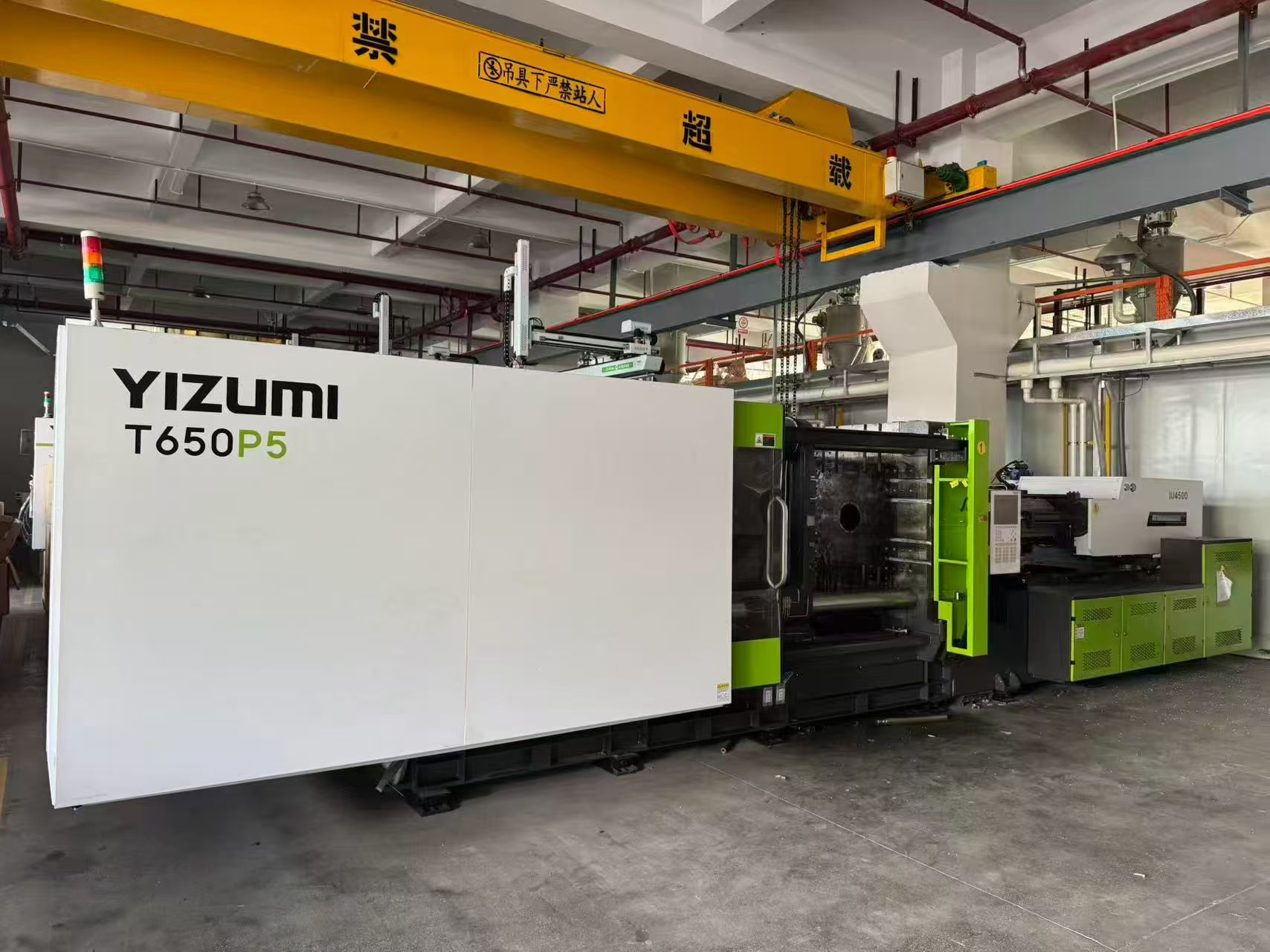
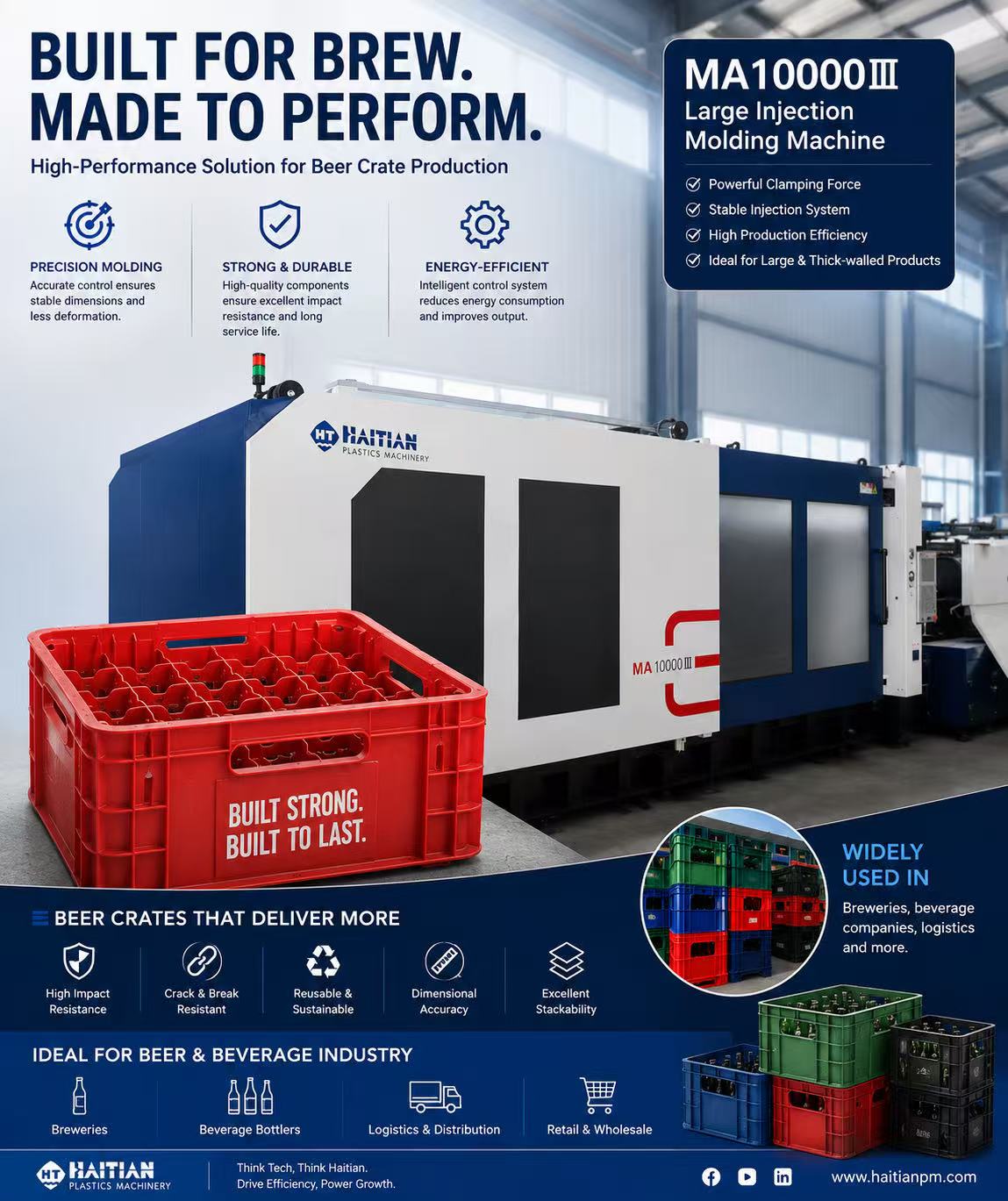
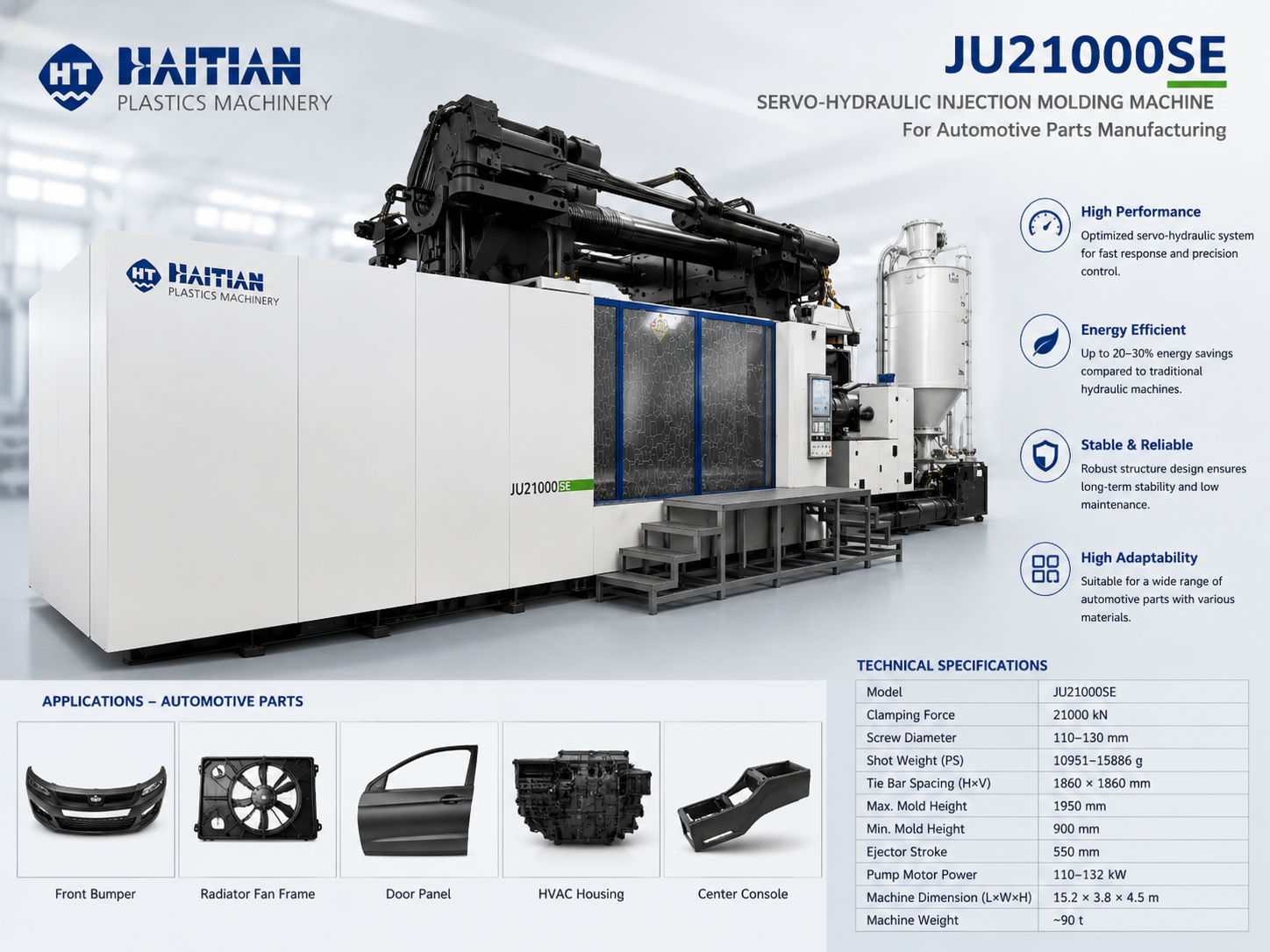
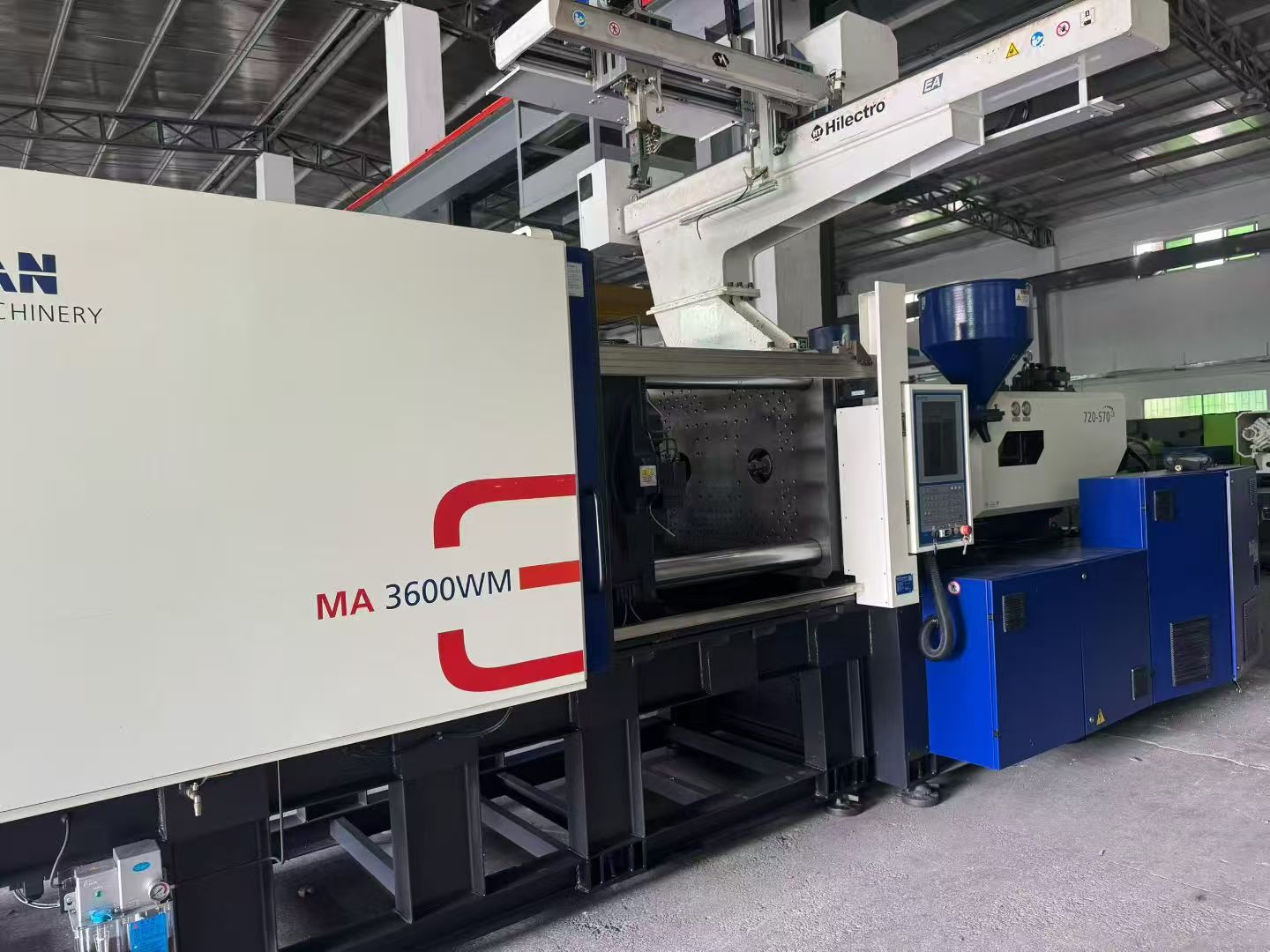
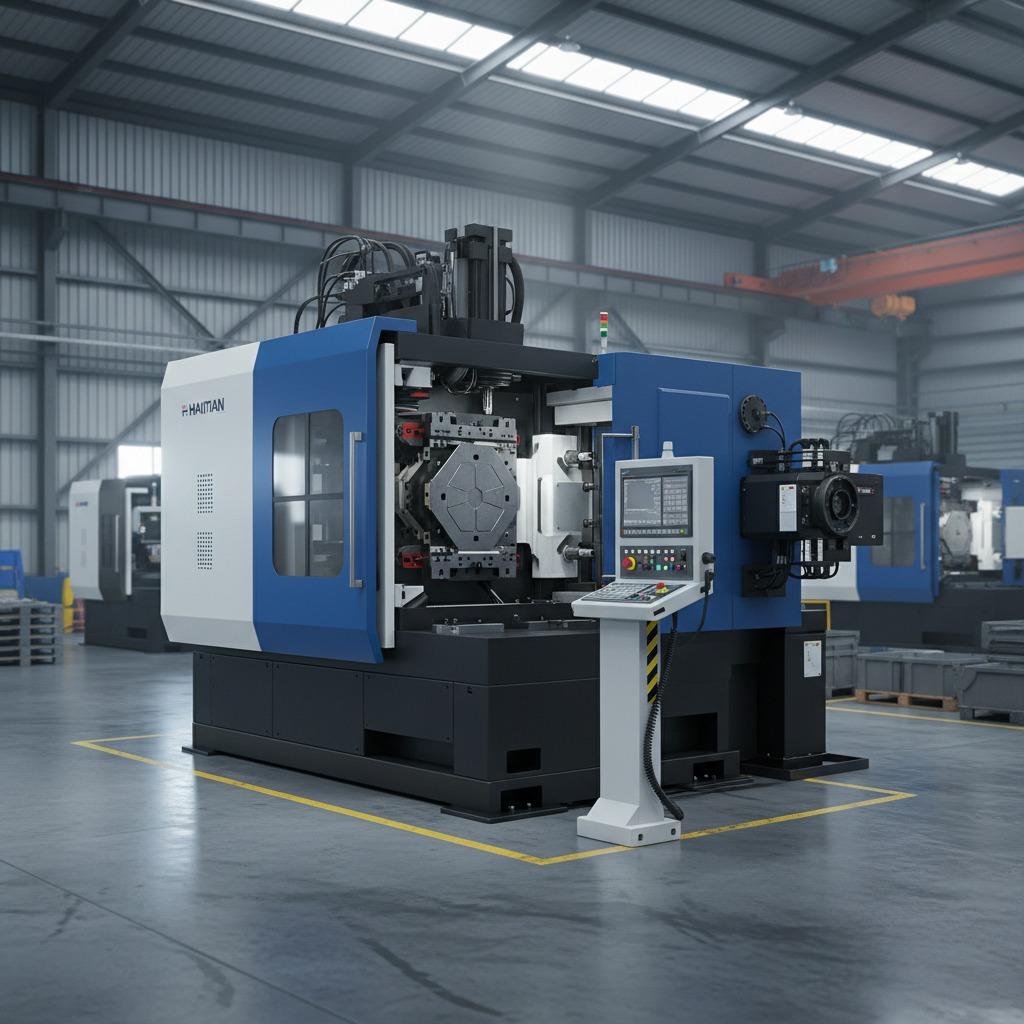
The product information points to a Haitian Plastics Machinery unit with the model marking “MA 3800III” visible. The machine shown is a large horizontal injection molding machine with an enclosed clamping and injection area, white and blue painted metal housing, a dark base frame, transparent viewing windows in the guard doors, and a side-mounted control cabinet.
Those visual details matter because they tell a buyer a few things right away. First, this is industrial equipment built for floor-mounted production use, not a bench-top or small laboratory unit. Second, the enclosed safety guarding suggests a machine designed for routine factory operation with operator access managed through doors and inspection windows. Third, the integrated controls and heavy base frame suggest a complete molding platform rather than a stripped-down core unit.
What cannot be confirmed from the image alone is equally important. Clamping force, shot size, screw diameter, mold dimensions, energy consumption, cycle time, supported polymers, and automation compatibility are all unknown unless a seller provides documentation. Buyers should resist the temptation to infer those figures from appearance. That is how mistakes happen.
Where a second-hand Haitian machine fits in production planning
A used Haitian injection molding machine is often considered in three situations.
One is line expansion. A plant has demand for an existing part family and needs another press to absorb volume without waiting for a long lead time on a new order.
Another is replacement. An older machine may still produce acceptable parts, but maintenance has become erratic or spare parts are awkward to source. A known brand platform can reduce the risk of downtime, provided the machine history is checked carefully.
The third is program entry. A manufacturer may want to test a new molded component, service a customer trial order, or build a local supply capability without committing immediately to a high-cost new machine package.
In all three cases, the key business question is the same: does the machine improve throughput and control enough to justify the risk of a second-hand asset?
Used machine buying criteria that actually matter
Buyers often start with brand, model, and nominal size, but that is only the beginning. A Haitian injection molding machine for sale may look attractive on paper and still be a poor fit on the shop floor.
1. Match the machine to the part family
The mold and the part define the machine, not the other way around. You need enough clamp capacity for the mold area and process window, enough shot capacity for the part weight, and enough platen space and daylight for setup. If any of these are marginal, the machine becomes a constraint instead of an asset.
2. Check the machine history, not just the paint
A clean exterior is nice, but it tells you very little. Ask for operating hours if available, prior application type, maintenance records, and whether the machine has been moved recently. A used Haitian injection molding machine that spent years in a stable plant may be a very different proposition from one that was repeatedly relocated or run hard on abrasive materials.
3. Inspect wear points
For hydraulic injection molding machine used equipment, buyers should pay close attention to hydraulic leaks, pump noise, cylinder condition, tie-bar wear, platen alignment, guard interlocks, and the general condition of the control cabinet. Minor cosmetic wear is normal. Structural wear is not something to brush aside.
4. Confirm utility compatibility
This sounds obvious until a machine reaches the floor. Power supply, hydraulic cooling, air requirements, installation footprint, and mold handling access all need to fit the plant. If the machine arrives and your utility plan is vague, the savings on purchase price can disappear quickly in adaptation work.
Why a recognizable brand can still be the right used option
Haitian is widely known in plastics processing, and that matters to buyers for practical reasons. A familiar brand can make it easier to evaluate a machine, compare it against existing presses, and discuss servicing with technicians who have seen the platform before. It can also help when a plant needs to standardize operating procedures across multiple machines.
That said, brand recognition is not a substitute for inspection. A Haitian second hand injection machine can be a strong buy if it has been maintained well. It can also be a costly distraction if the seller cannot support basic questions about condition, configuration, and test operation.
The most useful attitude is balanced: respect the brand, but buy the machine in front of you, not the nameplate.
What GEEPOW Industrial Co., Ltd. brings to this category
GEEPOW Industrial Co., Ltd. positions itself around cost-effective, high-quality machines and services for the plastic industry, with support that spans R&D, design, manufacturing, technical service, and after-sales assistance. For buyers, that kind of structure matters because used-equipment decisions are rarely just transactional. Even a good press may need technical support, commissioning help, or production troubleshooting after installation.
In a market where buyers are often comparing a used Haitian injection molding machine against a new purchase, a supplier that understands production realities can help narrow the risk. The value is not in grand claims; it is in practical follow-through when the machine arrives, is installed, and needs to make acceptable parts on schedule.
Common mistakes buyers make with used injection presses
One common mistake is focusing too much on the headline size. A buyer may search for a Haitian 200 ton used injection machine or a larger unit and assume tonnage alone solves the problem. In practice, the mold, resin, part geometry, and process window determine whether the machine is suitable.
Another mistake is skipping a running test. A static inspection can miss temperature instability, control irregularities, hydraulic weakness, or inconsistent operation under load. If possible, the machine should be demonstrated under realistic conditions.
A third mistake is underestimating the cost of getting the press production-ready. Shipping, rigging, cleaning, replacement hoses, sensors, electrical work, tooling adjustments, and startup labor can quickly add up. A low purchase price is not the same as a low installed cost.
There is also a quieter risk: assuming a used machine will automatically deliver stable production because it is a known brand. It won’t. Stability comes from condition, setup, and maintenance discipline.
Quick buyer checklist before you buy used Haitian injection machine equipment
If you are preparing to buy used Haitian injection machine equipment, ask for the basics in writing:
The exact model designation and serial information if available.
Photos of the machine on all sides, including the control cabinet and platen area.
A description of prior use, including material types and production environment.
A list of included accessories, if any, such as controllers, dryers, or automation interfaces.
Information on whether the machine can be powered and demonstrated before shipment.
This list is not glamorous, but it is the difference between informed procurement and hopeful purchasing.
FAQ: practical questions buyers usually ask
Is a used Haitian machine always a better value than a new one?
Not always. It depends on condition, required specification, and how urgently you need capacity. If the machine is a close fit and can be put into service quickly, a used press may be the better business decision. If your part requires modern control features or a very specific process envelope, new equipment may justify itself.
Can the model marking alone tell me the full specification?
No. The MA 3800III marking identifies the machine family, but it does not confirm all performance details. Do not guess tonnage, shot size, or auxiliary compatibility from the badge alone.
What should I prioritize first: price or condition?
Condition. Price matters, but a lower number is meaningless if the machine needs major repairs or cannot meet your process needs.
A practical next step for sourcing teams
If your team is evaluating a Haitian injection molding machine for sale, start with the application, not the listing. Define the part, the mold, the utilities, and the production target. Then compare the machine against those requirements and insist on enough evidence to judge its condition honestly.
For plants that need a cost-conscious path into or within plastics processing, GEEPOW Industrial Co., Ltd. can be a useful partner to discuss machine options, service support, and how a used press might fit a broader production plan. The best purchase is the one that will still look sensible after installation, setup, and the first few production runs. That is the real test.