
Used Injection Molding Machine Inspection Protocol
Agree what will be inspected, who will inspect it and what evidence will be delivered before paying for a used injection molding machine. Tie the findings to the individual machine, your mold and resin, and the written quotation.
GEEPOW can discuss the inspection and trial scope when sourcing a machine. Your quotation should name the parties responsible, the checks included and any remaining work. If your purchase requires an independent inspection, agree the provider and written scope with the buyer before booking.
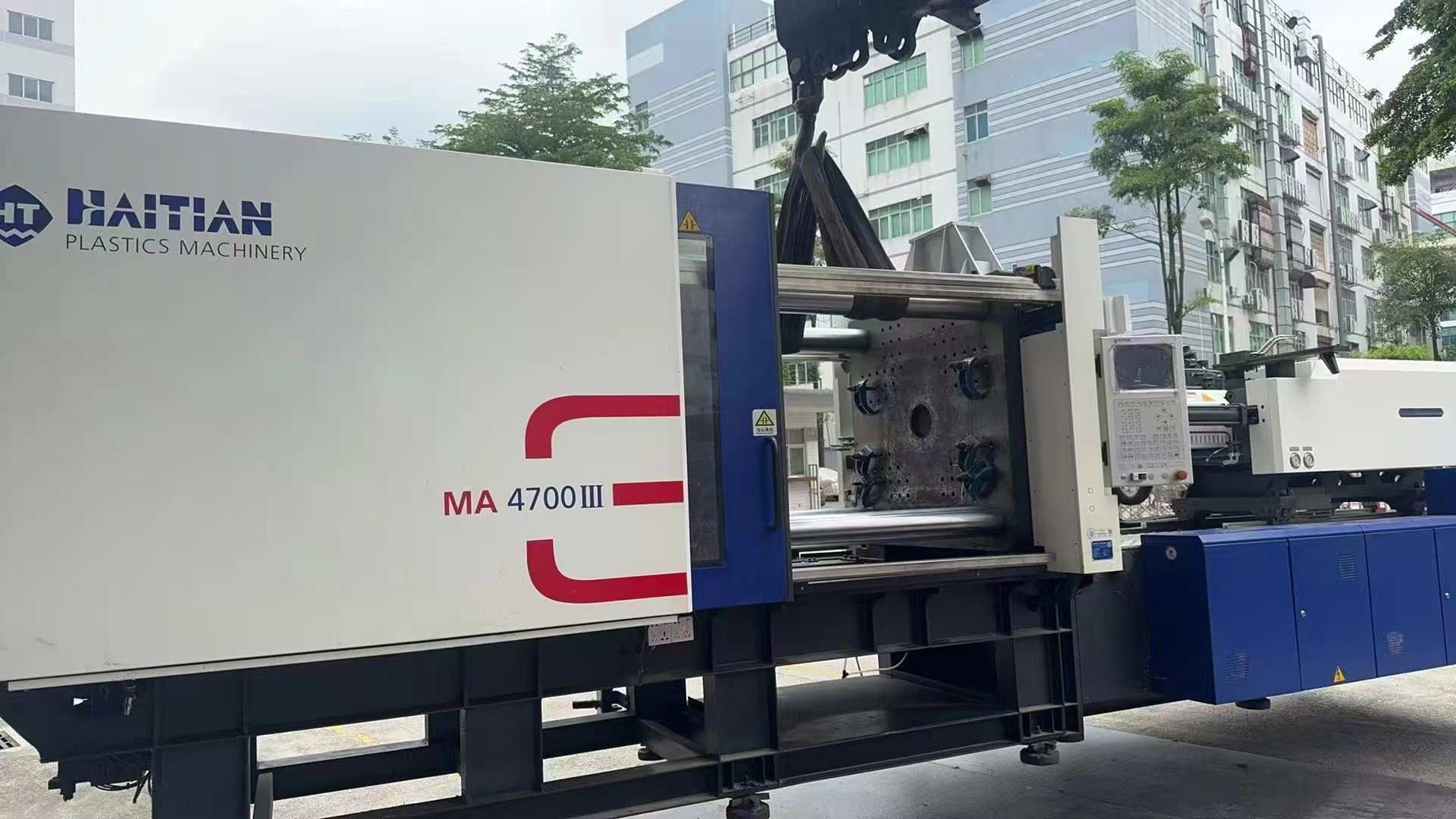
What should be checked before a used machine is accepted?
Start with identity and safe access. Then document machine condition and mold fit, witness the agreed trial if it can be performed safely, and resolve exceptions in writing. Agree the method and acceptance limits for each measurable item using the applicable machine documentation and your project requirements.
| Check | Evidence to request | What to resolve |
|---|---|---|
| Machine identity | Model, serial number, nameplate photograph and documented year. | Match the unit in the offer, inspection record and shipment documents. |
| Controller and hours | Controller version, visible counter readings and any records of controller replacement or reset. | Record the counter labels and any gaps in operating history. |
| Repair and refurbishment | Written work list, replaced parts, dates and work orders where available. | Agree how remaining faults and excluded work affect acceptance. |
| Safeguards | Qualified review of relevant guards, interlocks and emergency stops under the site's safety procedure. | Hold operational testing until safety issues are addressed by the responsible team. |
| Clamp and platens | Platen face condition, tie-bar spacing and documented parallelism results when part of the agreed scope. | Compare measurement conditions and limits with the applicable machine documentation. |
| Mold installation | Measured daylight, opening stroke, mold thickness range, usable platen size, mounting and ejector interfaces. | Compare the actual machine envelope with the buyer's mold, handling route and part removal clearance. |
| Hydraulic condition | Recorded leaks, fluid condition and an agreed specialist's pressure-hold result where appropriate. | Record the test conditions, observations and acceptance limits with the report. |
| Injection unit | Installed unit identification, screw and barrel records, and any agreed condition or repeatability checks. | Match the actual configuration to the buyer's resin, shot and process. |
| Utilities and options | Machine electrical data, cooling requirements and a list of included accessories and interfaces. | Separate included hardware from the additional equipment needed at installation. |
| Witnessed mold trial | Agreed mold, resin, setup and run record, with samples, alarms and video if included. | Distinguish a movement demonstration from the mold-and-material trial in the purchase scope. |
| Packing and handover | Packed dimensions, weights, included parts, photos and the listed shipping documents. | Confirm the release point and responsibility for loading, transport and unloading. |
How should an inspection report be tied to the quotation?
Record the machine identity, date, inspector, scope, test conditions, evidence links and open findings. Mark each item as accepted, requiring action or unchecked. Put the action owner, evidence required and deadline for every open item in the written quote or acceptance agreement.
What can a test video show?
A video can document the machine and the demonstrated operation when it identifies the unit and test scope. Agree the views, controller information and sample record in advance. Use the report to track checks that need measurements, documents or an in-person assessment.
Who should operate or test the machine?
Use qualified personnel working to the site procedures, the applicable machine documentation and local requirements. Agree the buyer's witnessing role in advance. Invasive, energized and load tests require a suitable site and a competent technical team.
Related buyer guides
- Machine-specific acceptance test and trial planning
- Mold-fit dimensions to check before purchase
- Export documents and shipping handover checklist
Technical references
- EUROMAP technical recommendations cover machine data, mold mounting and platen parallelism methods. Confirm which method applies with your technical team.
- HSE guidance on injection moulding machine safeguards (PDF) describes guarding and inspection considerations. Confirm applicable requirements and machine-specific procedures with the inspection site.