
How To Choose Injection Molding Machine Tonnage For Plastic Crates
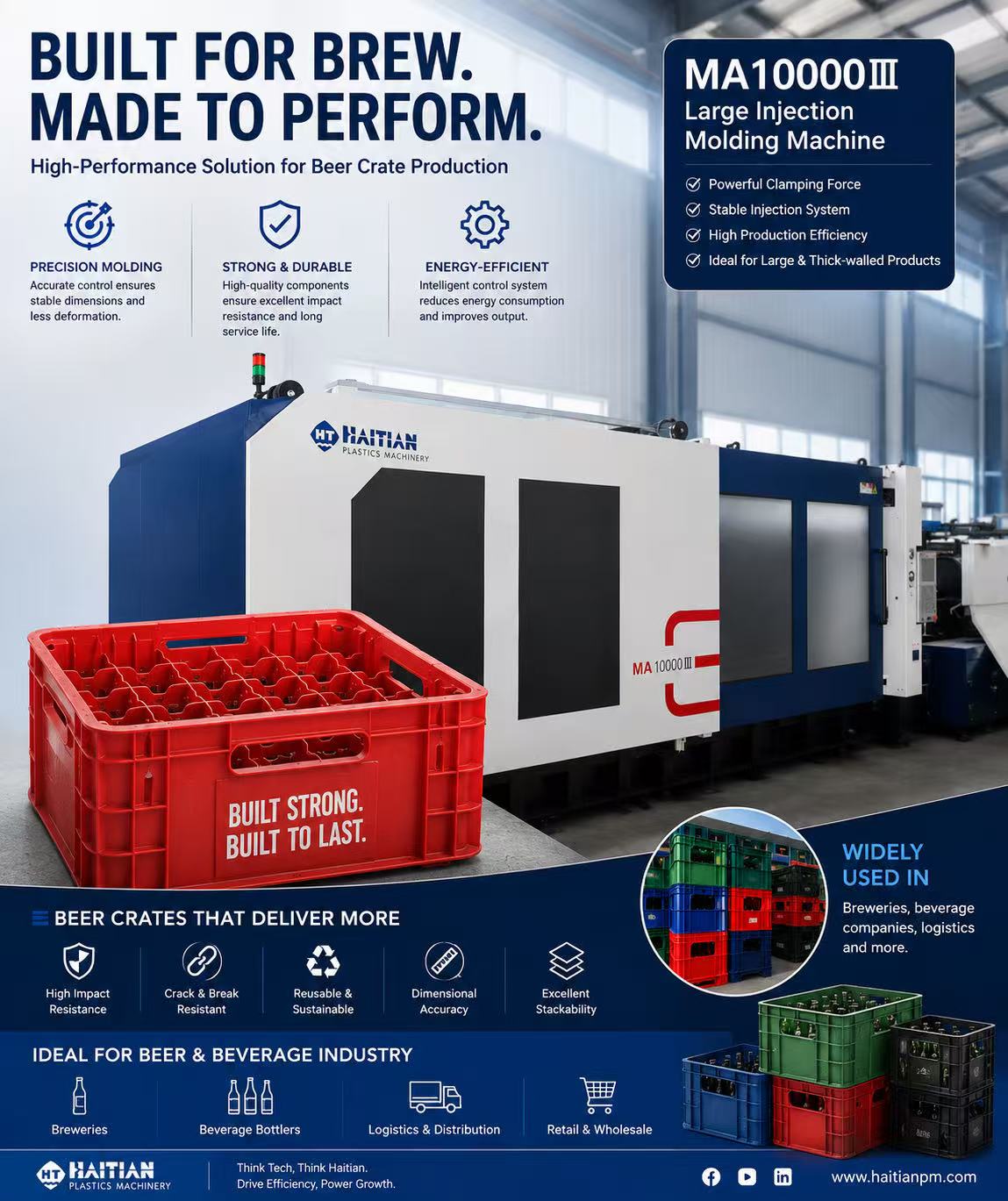
Plastic crates, storage boxes, and logistics containers often require strong clamping force, stable injection performance, and enough platen space for larger molds. Choosing the right injection molding machine tonnage is one of the most important steps before requesting a machine quotation.
If the machine is too small, the mold may not fit or the part may flash during production. If the machine is too large, the buyer may pay more for equipment, power, and floor space than the project needs. This guide explains what buyers should prepare when choosing an injection molding machine for plastic crates.
Why Tonnage Matters For Plastic Crate Production
Tonnage refers to the clamping force of the injection molding machine. During injection, molten plastic enters the mold cavity under pressure. The clamping unit must keep the mold closed during this process.
For plastic crate production, tonnage matters because crates often have:
- Large projected area
- Multiple ribs and structural features
- Deep mold cavities
- Higher material flow demand
- Larger platen and tie-bar requirements
- Stronger ejection requirements
The correct machine should match both the clamping force and the physical mold size.
Start With Product Size And Mold Information
Before asking for a machine price, buyers should prepare basic product and mold information.
Useful details include:
- Crate length, width, and height
- Product weight
- Plastic material
- Number of mold cavities
- Mold length, width, and thickness
- Runner type
- Estimated cycle time
- Required daily output
Without these details, a supplier can only give a rough machine suggestion. Accurate mold information allows a better recommendation and reduces the risk of choosing the wrong tonnage.
Check Projected Area
Projected area is one of the key factors in tonnage selection. It refers to the area of the molded part that faces the clamping direction.
For plastic crates, the projected area can be large because the product usually has a wide top surface and structural ribs. A larger projected area usually requires higher clamping force.
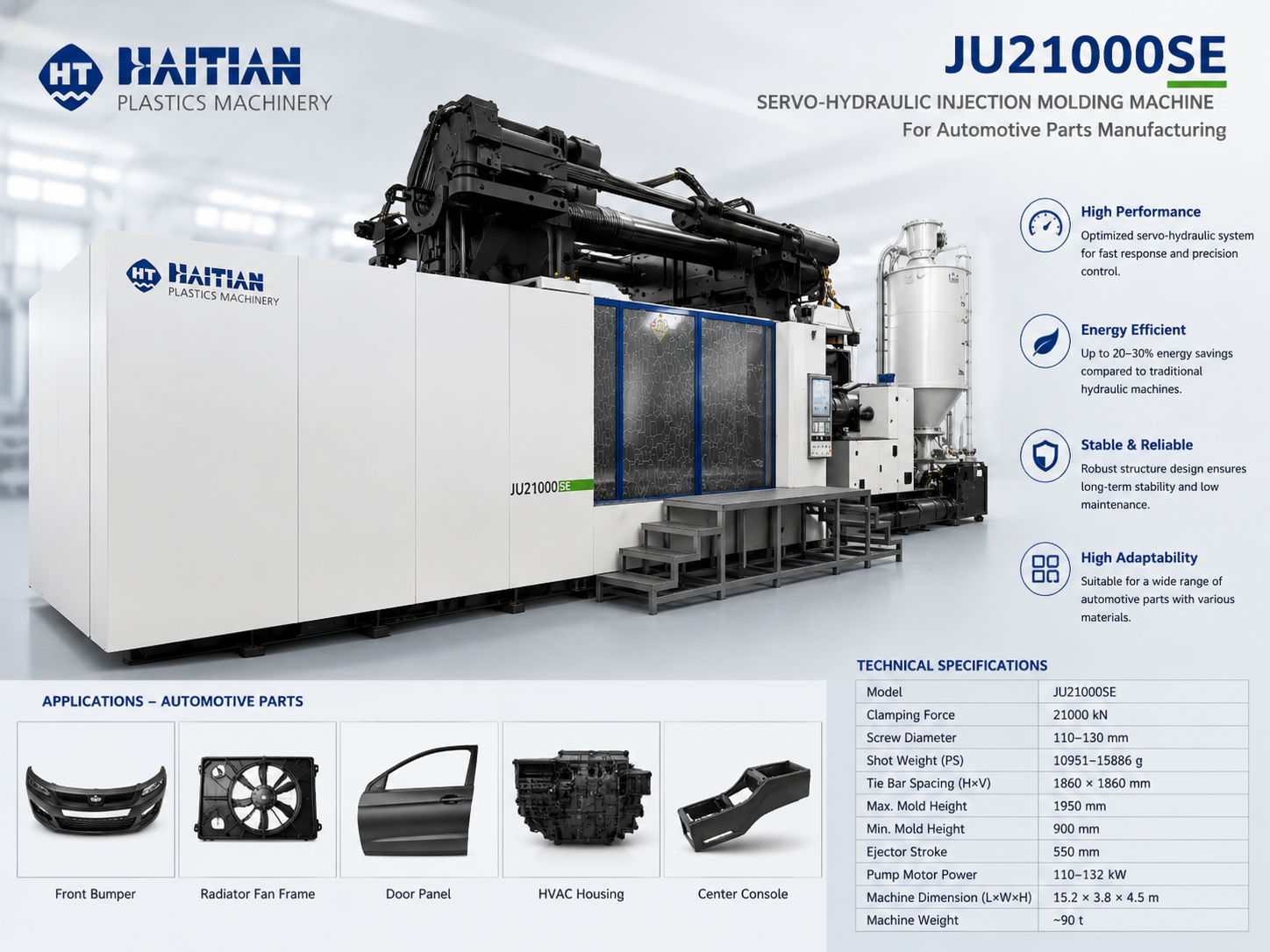
Buyers do not always need to calculate the final tonnage themselves, but they should provide product drawings, mold drawings, or product photos with dimensions. This allows the supplier to estimate whether a machine class such as 380 ton, 470 ton, or larger is suitable.
Confirm Mold Fit: Platen Size And Tie-Bar Distance
Even if the clamping force is enough, the mold still needs to fit the machine.
Check:
- Tie-bar distance
- Platen size
- Mold thickness range
- Opening stroke
- Ejector stroke
- Mold mounting requirements
For crate molds, platen space is often just as important as tonnage. A mold that is too large for the tie-bar distance cannot be installed, even if the machine has enough clamping force.
Check Shot Weight And Screw Capacity
Plastic crates can require a significant shot weight, especially for thicker or larger products.
Before selecting a machine, check:
- Product weight
- Runner weight
- Total shot weight per cycle
- Plastic material
- Screw diameter
- Plasticizing capacity
The injection unit should have enough capacity for stable filling without running too close to the machine's maximum limit. If the shot size is too close to the limit, production stability may suffer.
Consider Material And Product Design
Plastic crate materials may include PP, PE, or other materials depending on the application. Material flow, shrinkage, product thickness, and rib structure all affect machine selection.
Important questions:
- Is the crate made from PP or PE?
- Is recycled material used?
- Does the product have deep ribs?
- Is the wall thickness uniform?
- Is fast cycle production required?
These details can influence injection pressure, screw selection, cooling time, and machine recommendation.
When A 380 Ton Or 470 Ton Machine May Be Considered
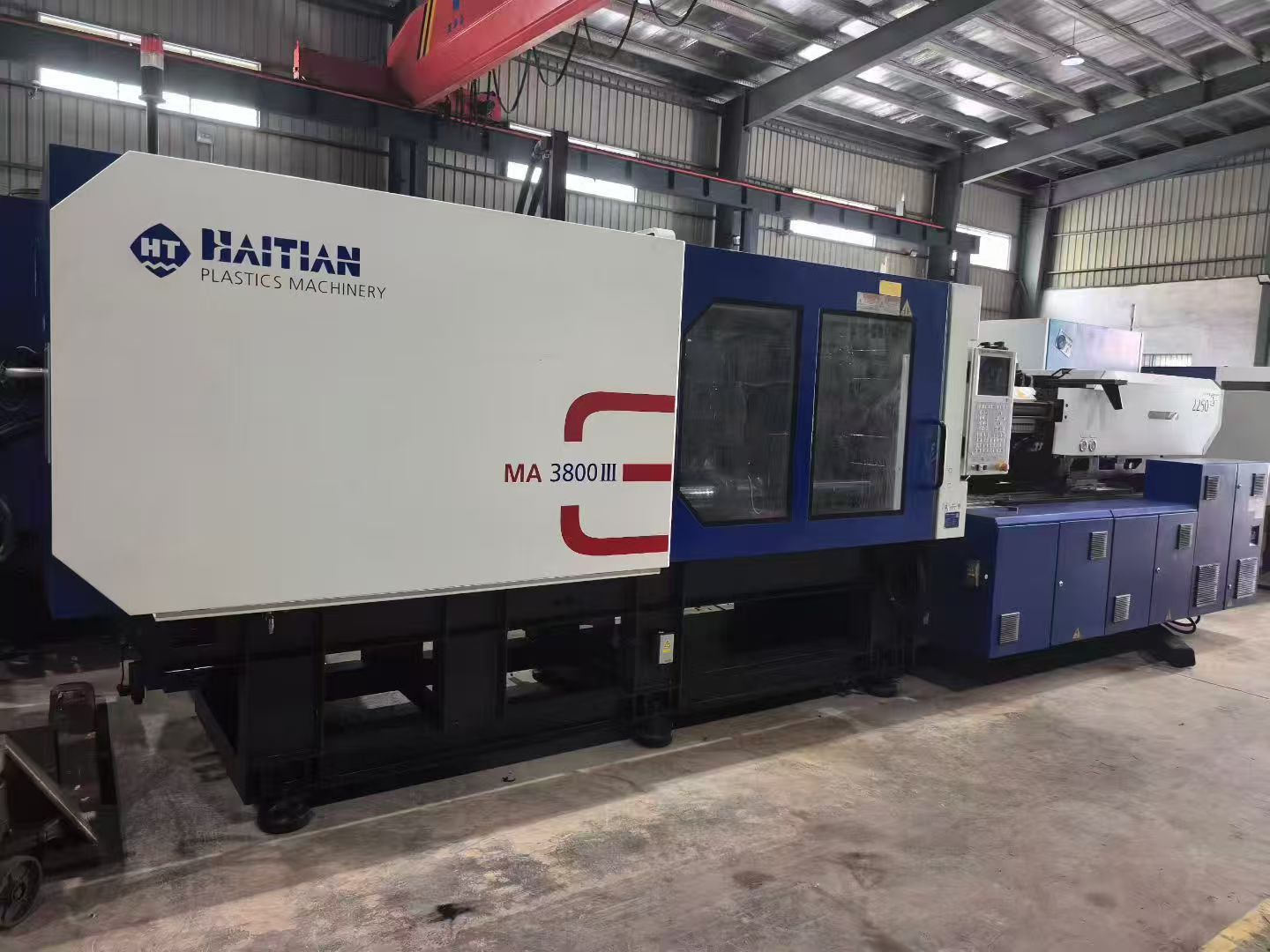
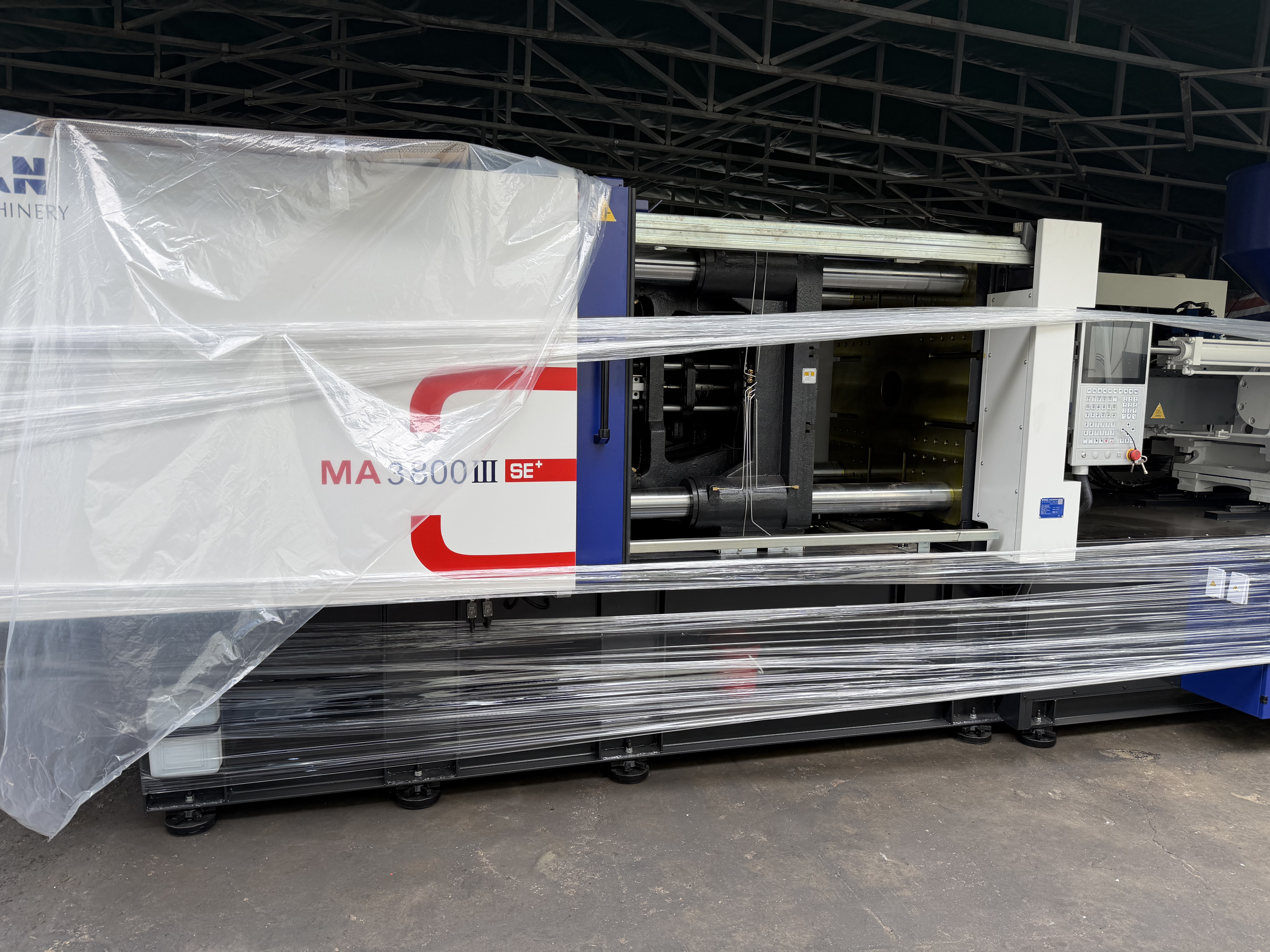
For some plastic crate projects, buyers may compare machines such as a Haitian MA3800 or MA4700. These can be suitable for certain medium-to-large crate molds, depending on the mold size and shot requirement.
A 380 ton class machine may be considered when the crate mold and projected area are moderate.
A 470 ton class machine may be considered when the mold is larger, the projected area is higher, or more clamping margin is needed.
The final choice should be based on real mold data. Buyers should not choose tonnage only from the product name.
New Or Used Injection Molding Machine?
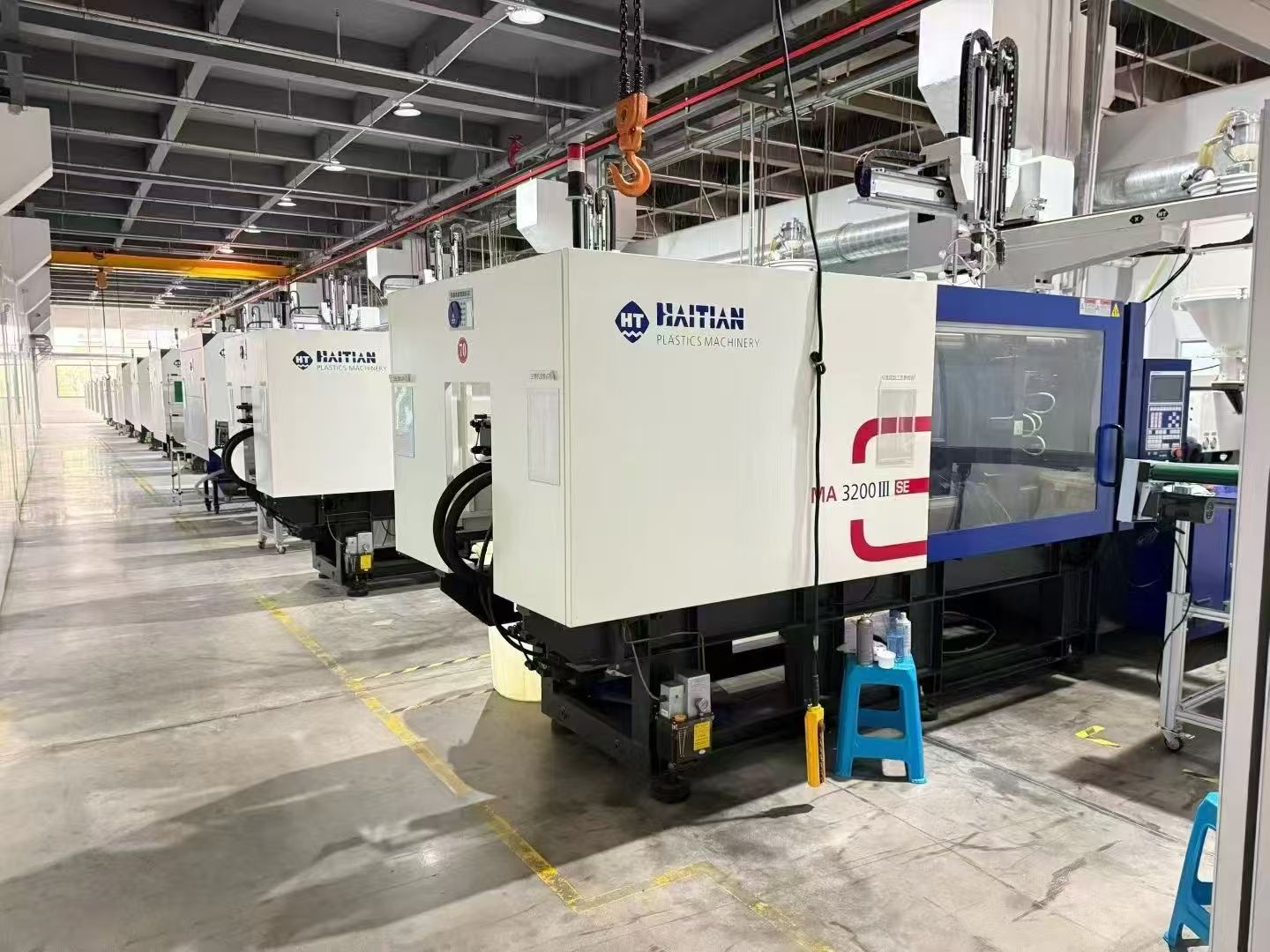
For plastic crate production, both new and used injection molding machines can be considered.
A used machine may be suitable when:
- The buyer needs faster availability
- The project budget is controlled
- The machine condition can be inspected
- The mold fit is confirmed
- The supplier can provide photos, videos, and loading support
A new machine may be better when:
- The project requires a specific configuration
- The buyer needs factory warranty
- The production plan is long-term and high volume
- The buyer wants the latest control and energy-saving system
Geerpower can help compare used Haitian machines and other plastic injection molding machine options based on the buyer's crate project.
Information To Send For A Better Quotation
For a faster and more accurate quote, send:
- Product photo or drawing
- Crate dimensions
- Product weight
- Plastic material
- Mold size
- Mold cavity number
- Required output
- Destination country
- Preference for new or used machine
This information helps the supplier recommend the right machine range instead of guessing from a general product name.
FAQ
Can I choose machine tonnage only by product weight?
No. Product weight is important, but projected area, mold size, material, shot weight, platen size, and tie-bar distance also matter.
Is a larger machine always safer?
Not always. A larger machine may cost more and use more space and energy. The best choice is a machine that fits the mold and production requirement with suitable margin.
Can a used Haitian machine produce plastic crates?
Yes, if the machine's tonnage, platen size, tie-bar distance, shot capacity, and condition match the crate mold and production requirement.
What should I send before asking for a machine quote?
Send product size, mold size, product weight, material, cavity number, required output, and destination country. Photos or drawings are very helpful.
Request Tonnage Selection Support
If you are choosing an injection molding machine for plastic crates, send your product photo, mold dimensions, material, product weight, cavity number, and destination country. Geerpower can help compare suitable machine tonnage, used Haitian machine options, and practical quotation choices for your project.
Internal Link Suggestions
Add links from this article to:
- Used Haitian MA3800 guide: /blog/exploring-the-haitian-ma3800-plastic-injection-machine-trends
- Used Haitian MA4700 guide if kept: /blog/plastic-injection-machine-ma4700-precision-power
- Products page: /products
- Contact/inquiry page, exact URL to confirm