
Why a 700 ton factory injection machine matters to buyers
A 700 ton factory injection machine sits in a very practical middle ground for plastics producers: large enough to handle substantial parts, but not so oversized that every job becomes expensive overhead. For engineers and sourcing managers, that balance is usually the real question. Not whether the machine looks impressive on the shop floor, but whether it can support the part size, mold complexity, and output rate the program actually needs.
In day-to-day buying terms, a 700 ton plastic machine often comes up when a plant is moving from small housings and basic consumer parts into larger, more demanding components. Think appliance panels, automotive interior pieces, industrial covers, bins, or structural housings. The machine category overlaps with terms like industrial injection molding machine, large tonnage injection machine, and heavy duty injection molding machine, but the decision is rarely about labels. It is about fit.
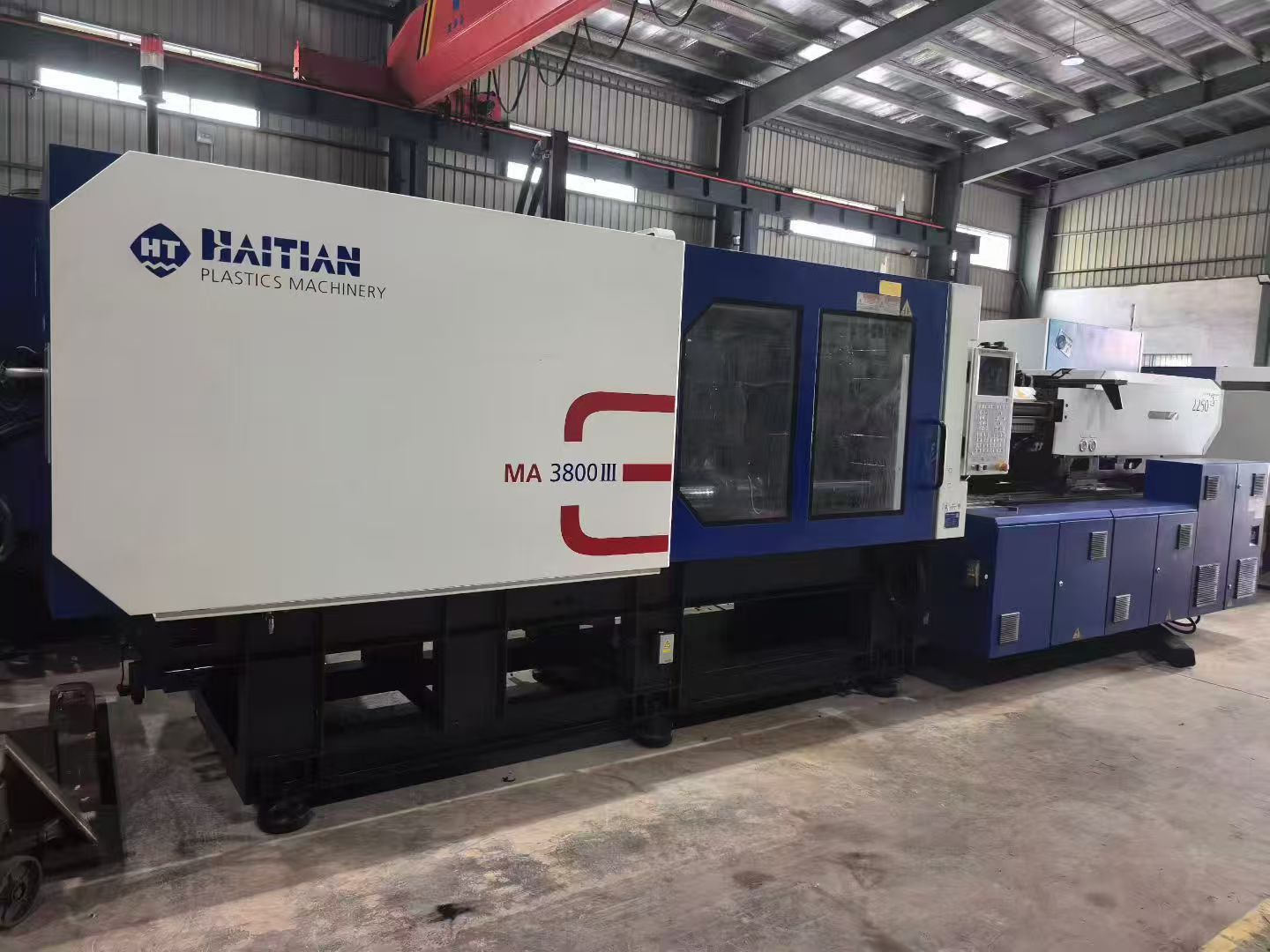
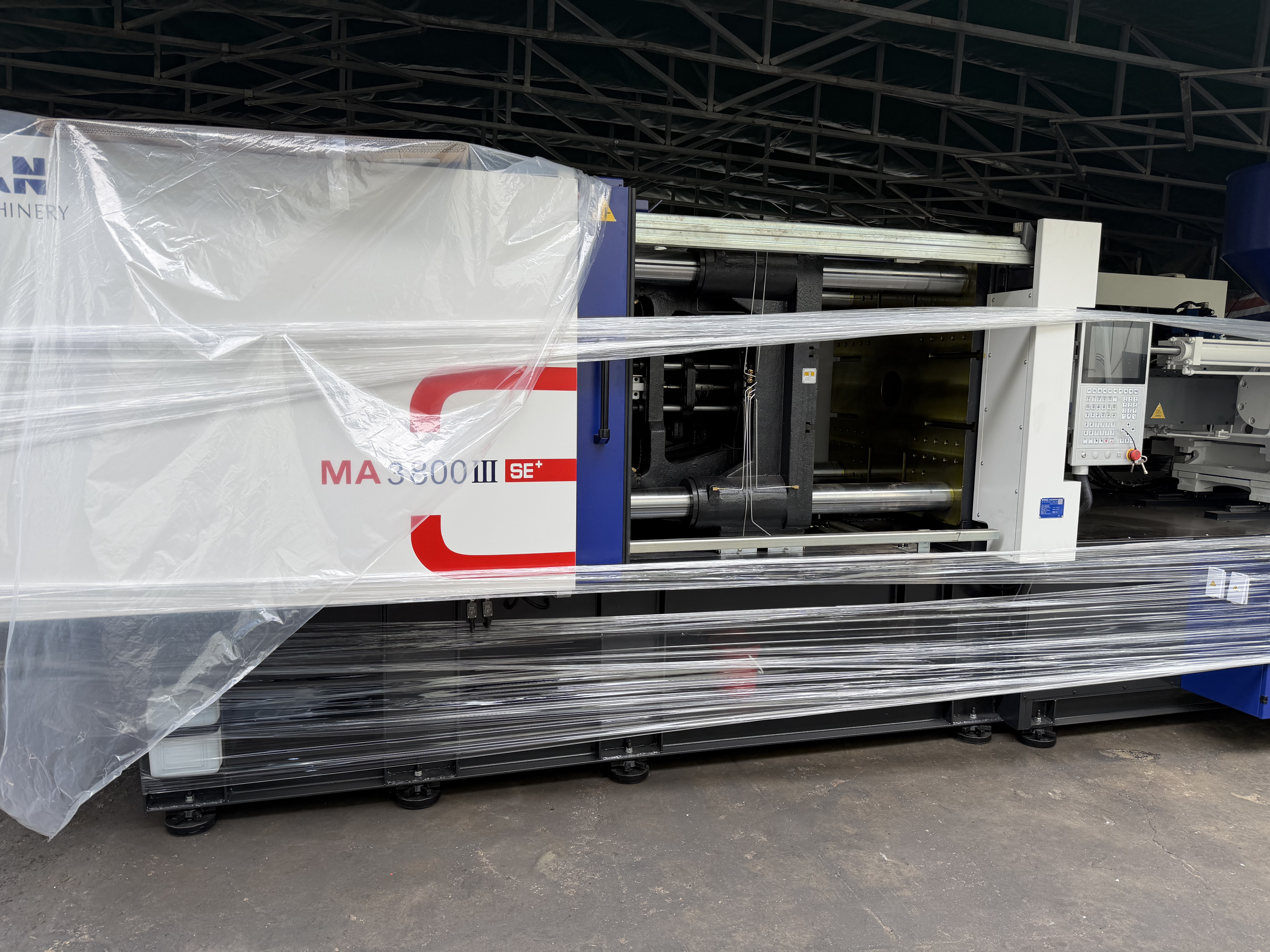
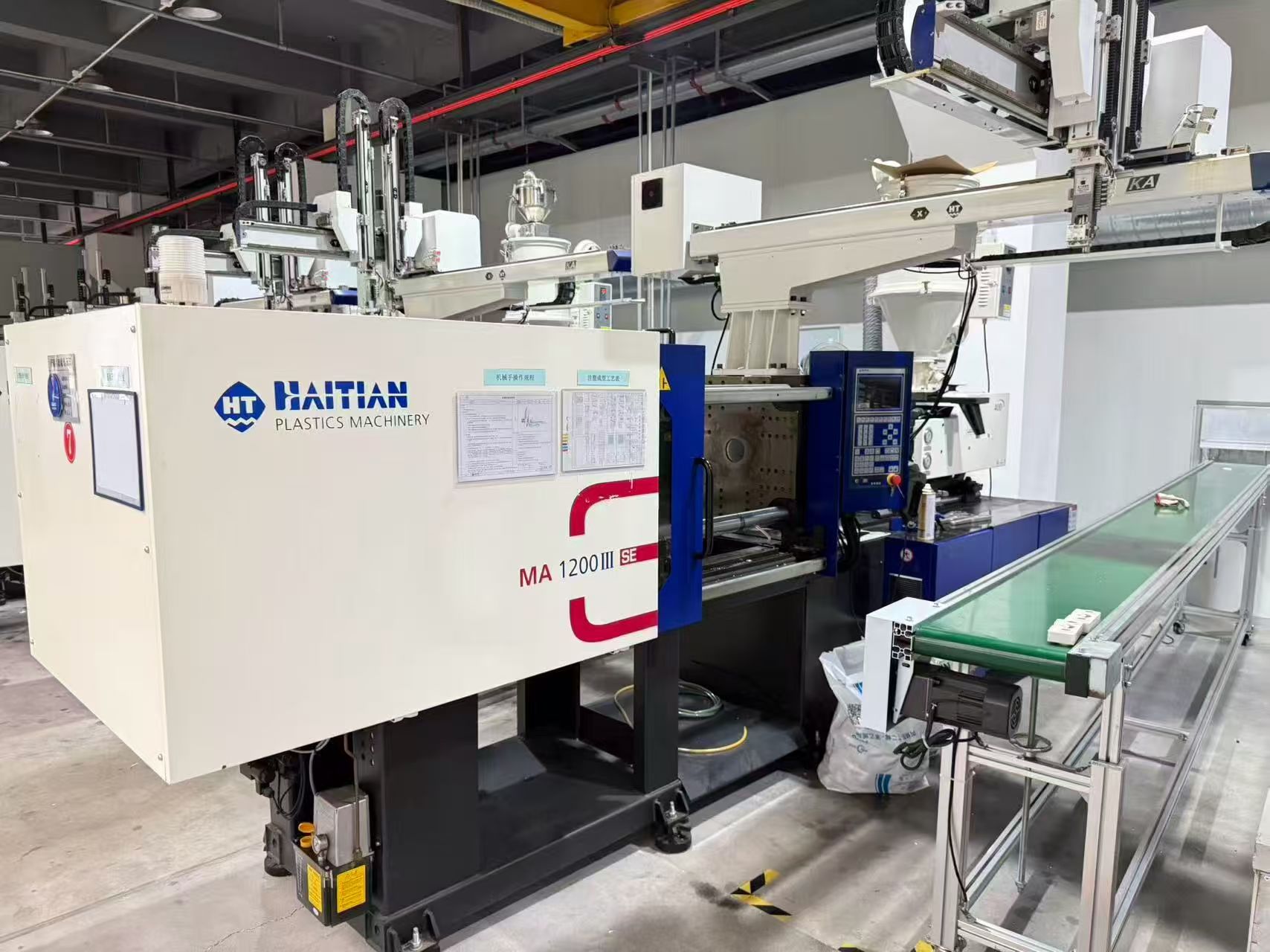
The visible Haitian Plastics Machinery HA3800 CRUX series example is a useful reference point here. It is clearly a large horizontal machine with an enclosed frame, long clamping section, central mold area, side service panels, and an integrated control screen. Those are not cosmetic details. They tell a buyer a lot about how the machine is meant to be maintained, how operators interact with it, and how much floor planning it will require.
What this class of machine is built to do
A 700 ton factory injection machine is designed to heat plastic resin, inject molten material into a mold under high pressure, hold it during cooling, and eject the finished part. The process sounds simple on paper, but the machine has to do several difficult things well at the same time: apply force evenly, keep the mold aligned, manage heat, and repeat the cycle with consistency.
That is why buyers tend to look beyond the headline tonnage. The same nominal clamping force can behave very differently depending on the frame design, platen size, control system, injection unit, and the condition of the used machine. A large tonnage injection machine may be ideal for one application and awkward for another if the mold footprint, part thickness, or cycle requirements do not line up.
Typical application areas
This class of manufacturing injection equipment is commonly associated with:
consumer product housings
industrial enclosures and covers
automotive components
appliance parts
large containers and bins
custom molded structural parts
Not every job needs this much machine. But when a program requires stable clamping, larger mold capacity, or higher-volume production of bigger plastic parts, the scale makes sense.
What stands out in the Haitian HA3800 CRUX example
The visible HA3800 CRUX series machine offers several practical signals a buyer would notice immediately. It has a heavy-duty painted steel enclosure in white and blue, a long-bed layout, and a clear separation between the clamping section and the injection side. The control screen is mounted for operator access, while service doors and piping suggest a machine designed with maintenance in mind.
The model marking “HA3800” and “1800” are visible, along with the Haitian brand name and CRUX branding on the housing. From the image alone, it would be unsafe to claim exact tonnage or injection capacity, but the machine is clearly in the large industrial category. That matters because buyers often use visible construction details to judge whether a machine is suitable for an OEM plastic molding machine line or a custom plastic molding machine setup.
A point worth noting: large machines are often sold on headline size, yet the real buying decision usually depends on the mold and the part. A machine that looks powerful but lacks the right platen dimensions or shot capacity can become a bottleneck. That is where buyers should slow down and ask for the actual technical sheet.
How to evaluate a 700 ton plastic machine before buying
A sourcing team comparing a 700 ton factory injection machine against alternatives should look at the machine as a production system, not a standalone asset. A used or new industrial plastic injection molding machine may be technically capable, but the plant still has to run it profitably.
1) Match the machine to the mold, not just the part
The mold is the anchor point. Check mold dimensions, tie-bar spacing, platen size, and allowable mold weight. A part may seem simple, but a large tool can still require a substantial machine footprint and a stable clamping unit.
2) Confirm the material family
Different resins behave differently. A machine that handles general-purpose plastics well may still need tuning for filled materials, engineering resins, or thick-wall parts. Buyers should ask what materials are intended for the program before treating any 700 ton plastic machine as universal.
3) Look at service access
The visible side cabinet doors and piping on the Haitian example are not minor details. On a busy floor, easy access can save real time. Maintenance teams need to inspect hydraulics, heaters, sensors, and cabinet components without turning the machine into a disassembly project.
4) Review the control system and operator workflow
An integrated control screen is only useful if operators can monitor settings clearly and technicians can trace faults quickly. For older equipment, the interface can matter as much as raw force. An OEM plastic molding machine used for repeat production should support stable parameter control and fast troubleshooting.
New or used equipment: what buyers should watch
GEEPOW Machinery notes that it offers used injection molding machines from 90 to 2800 tons and has over 300 models in stock. For buyers, that size range is useful because it suggests a broad search space. A used heavy duty injection molding machine can be a sensible purchase when budgets are tight or when a plant needs to expand capacity without waiting for long equipment lead times.
Still, used equipment deserves caution. On a large machine, wear is not always obvious in a photo. A clean enclosure does not tell you the condition of the screws, barrels, hydraulics, electrical cabinets, or the clamping mechanism. That is especially true for a machine in this size class, where replacement cost and downtime can be significant.
A practical buyer should ask for operating history, inspection records, and clear photos of the platen surfaces, injection barrel area, control cabinet, and hydraulic assemblies. If the seller cannot provide enough detail, that is not a small gap. It is a warning sign.
Common mistakes when sourcing large tonnage injection machines
One frequent mistake is overbuying tonnage. Teams sometimes assume bigger is safer, but oversized equipment can increase energy use, occupy more floor space, and complicate mold changeovers. Another mistake is underestimating utilities. A large machine is not just a machine; it is part of a plant system with power, cooling, ventilation, and material handling demands.
A third mistake is ignoring the long-term service plan. Large tonnage injection machines need parts support, technical familiarity, and access to maintenance personnel who understand high-force molding equipment. If a plant relies on one machine for a critical product family, downtime planning becomes part of the purchase itself.
Quick buyer checklist
Before shortlisting a 700 ton factory injection machine, ask:
Does the machine fit the mold dimensions and part family?
Is the injection unit appropriate for the resin and shot size?
Can maintenance teams access critical components easily?
Does the control system support repeatable production?
Is the machine new, used, or refurbished, and what documentation is available?
Will the plant’s utilities and floor layout support installation?
That list sounds basic, but in the field it filters out a lot of expensive mistakes.
When a custom or OEM plastic molding machine makes more sense
A custom plastic molding machine or OEM plastic molding machine setup is often the right path when production involves a fixed part family, proprietary tooling, or unusually strict process control. A standard industrial injection molding machine may be enough for broad production, but specialized programs can benefit from more tailored machine configuration.
That does not always mean a new build. Some buyers use used equipment as a base and then align the machine to the plant’s specific mold and process requirements. The key is to avoid forcing a machine into a role it was never meant to fill.
FAQ buyers tend to ask
Is a 700 ton machine always the right choice for large parts?
No. Part size matters, but mold design, projected area, resin type, and required output matter too.
Can one large machine cover many product types?
Sometimes, yes. But changeover time, tooling compatibility, and process repeatability should be checked carefully.
What makes the Haitian HA3800 CRUX example notable?
Its visible scale, enclosed design, integrated control interface, and service-access layout make it a strong reference for what a large industrial injection molding machine looks like in practice.
What to do next
If your production plan is moving toward larger molded parts, start with the mold data and then work backward to the machine. That approach helps you choose between a 700 ton factory injection machine, a smaller industrial injection molding machine, or a larger large tonnage injection machine that better fits the job.
For buyers sourcing used equipment, GEEPOW Machinery’s broad stock range can be a practical starting point, especially if you need to compare several capacities before committing. The right machine is not the one with the biggest number on the nameplate. It is the one that can run your part, day after day, without becoming the plant’s most expensive surprise.