
Buying a Haitian 800ton used injection machine: what the listing should tell you before the price does
When a plant is shopping for a haitian 800ton used injection machine, the first question is rarely “is it cheap?” It is usually “will it fit our parts, our mold base, our power setup, and our production rhythm without becoming a maintenance problem?” That is the right question. A large used press can be a smart way to add capacity, but only if the machine’s condition, controls, clamp system, and service history line up with the job you actually need to run.
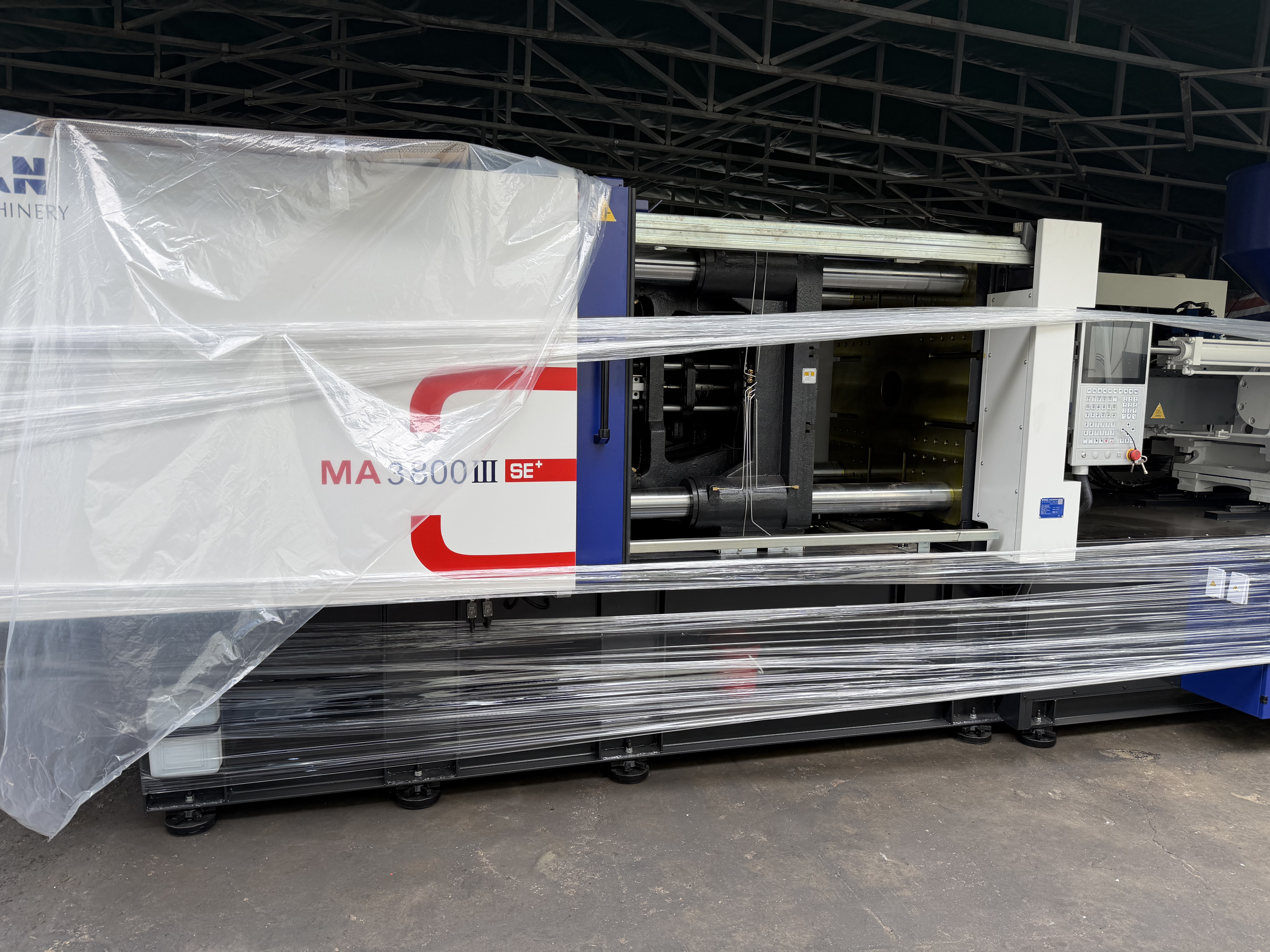
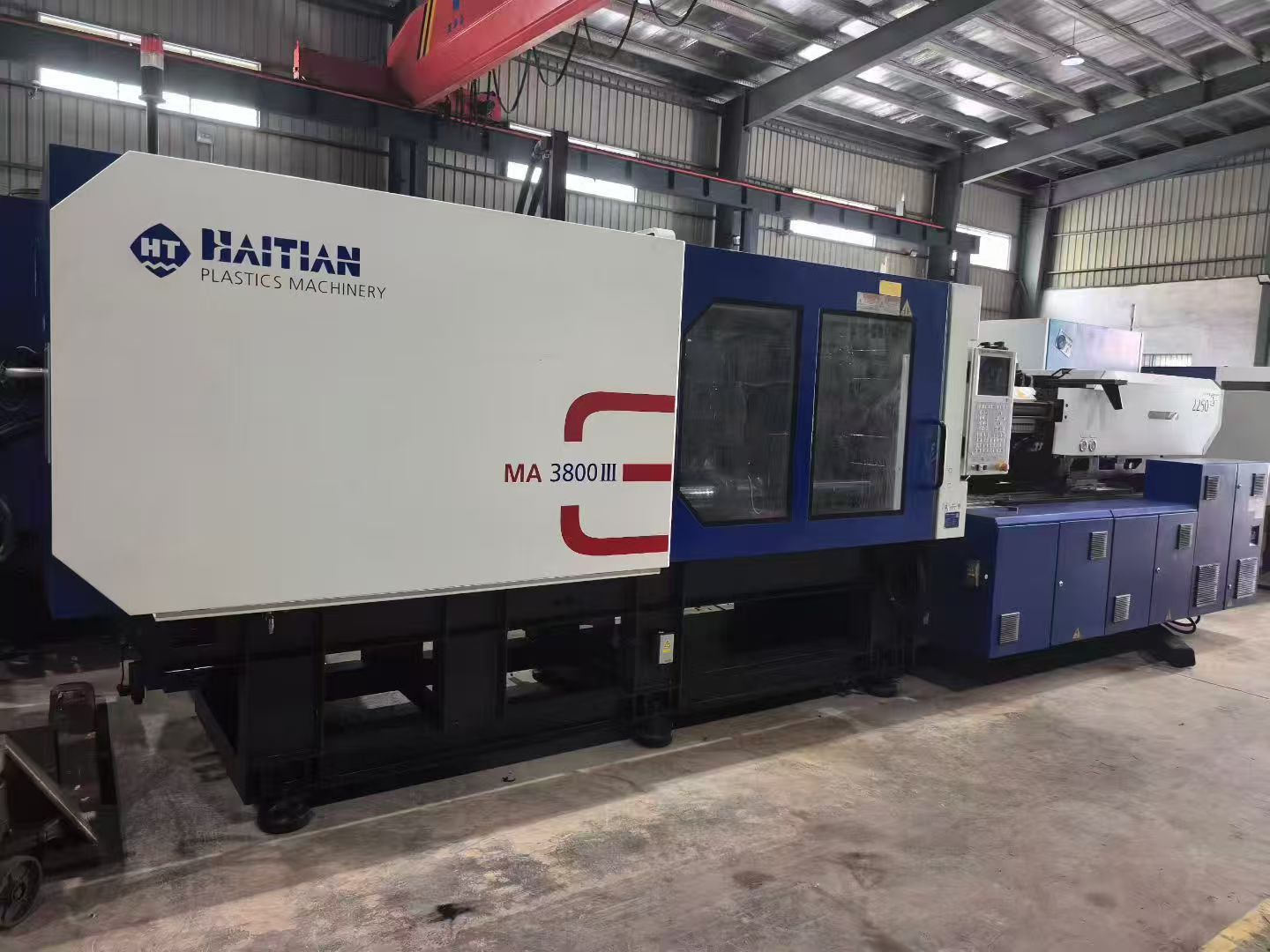
The machine shown in the provided information is a Haitian Plastics Machinery unit with a visible model marking of MA 8000III. It appears to be an industrial plastics machinery system with a large enclosed body, integrated control area, and heavy base frame. From the outside, it reads like a serious factory machine built for high-volume plastic part production. What it does not tell you, at least not by itself, is whether the press is the right size, whether the hydraulics are healthy, or whether the electronics have been modernized. Those are the details that decide whether a used purchase is a bargain or a headache.
Why buyers look for this size of used machine
An 800-ton class machine sits in the heavy-duty segment of injection molding. In practical terms, that means it is aimed at larger molds, larger projected part areas, or applications that need substantial clamp force to keep the mold shut during injection. Buyers often look at a used hydraulic injection molding machine 800 ton when they need to produce larger housings, appliance components, industrial covers, automotive trim, or other molded plastic parts that are too demanding for smaller presses.
Buying second hand can make sense for another reason too: lead time. New large-format machines often require longer procurement planning, while a pre-owned Haitian injection molding machine 800 may be available faster if the machine has already been decommissioned and inspected. That speed matters for production teams trying to replace an aging line or bring a new product into volume without waiting through a long factory buildout.
What is visible in the supplied machine description
The supplied product details point to a machine with a boxy, enclosed steel body, smooth painted panels in blue, white, and dark gray, and a side-mounted control cabinet or operator interface area. Multiple hoses and pipe runs are visible near the lower section, which is consistent with hydraulic, electrical, or cooling connections on an industrial molding press. The overall footprint is large, tall, and built for floor installation rather than compact shop use.
That visible structure is useful because it tells a buyer something about the machine’s class even before checking the spec sheet. Heavy enclosed framing generally suggests a production machine designed to stay in place, run for long shifts, and handle the mechanical loads of molding. Still, it is worth saying plainly: the exact tonnage, shot size, screw diameter, and cycle time are not supplied here, so they should be confirmed from the nameplate and machine documentation before any commitment.
Quick buyer’s view: what matters most before you make an offer
For a Haitian 800T injection molding machine for sale, the most important checks are not cosmetic. Paint condition can be nice to have, but it is not the same as a healthy clamp unit or a stable injection system. A serious buyer should focus on the following:
First, verify the actual clamp force and working dimensions. An “800 ton” label in marketplace language is not enough on its own; the machine must match your mold size and part geometry. Second, inspect the control system and ask what functions are still supported. Older used machines can still be productive, but controls, wiring, and sensors should be understandable and serviceable. Third, look closely at hydraulic condition: hoses, seals, pump behavior, and signs of oil leakage matter more than a fresh coat of paint. Fourth, ask what the machine has been molding. Long-term production of abrasive or high-temperature materials can leave hidden wear.
Haitian 800ton used injection molding machine: what to ask the seller
Used machine buying becomes easier when the seller can answer plain operational questions without hedging. GEEPOW Machinery notes that it offers used injection molding machines from 90 to 2800 tons, with over 300 models in stock, so buyers looking for a second hand Haitian 800 ton press should expect a reasonably broad inventory and variation in machine age and configuration. That makes direct questioning even more important, because two machines with similar names can differ in controls, accessories, and maintenance state.
Ask for the machine’s current operating status. Is it fully running, idle, partially dismantled, or stored after shutdown? Ask whether it was used in continuous production or sporadic runs. Ask if molds, robots, dryers, or chillers are included, because these extras can change the value of the whole package. If the seller mentions a refurbished or tested unit, request the scope of that work in practical terms: what was replaced, what was checked, and what remains original.
One small but important caution: do not let the “Haitian” name alone become the decision. Haitian is a known brand in plastics machinery, but brand recognition does not override condition. A worn machine from a respected maker can still cost more to revive than a less glamorous machine that has been maintained properly.
How to evaluate whether the press fits your production
Selection should start with your part and mold, not with the machine listing. The used injection molding machine 800 ton category covers a wide range of applications, and the wrong fit can create chronic problems. If your parts are large but shallow, you may need clamp area rather than extreme injection capacity. If the resin is demanding, you may need a machine that can hold pressure consistently and recover repeatably. If you run mixed products, flexibility matters more than peak output.
Buyers should also think about plant infrastructure. Large hydraulic presses typically need space for installation, service access, material handling, and mold changeover. Electrical supply, cooling, and hydraulic support should be reviewed before the truck arrives, not after. A machine can be mechanically sound and still be a poor fit if the factory floor cannot support it.
Common mistakes buyers make with large used presses
One common mistake is treating all 800-ton machines as interchangeable. They are not. Model generation, control architecture, and hydraulic design can vary in ways that affect uptime and operator training. Another mistake is ignoring spare parts access. Even a good machine becomes difficult if seals, boards, or sensors are hard to source. A third mistake is buying without a test run. If a live demonstration is impossible, at minimum ask for operational video, recent service notes, and a clear explanation of current faults, if any.
Another issue that comes up often is underestimating transport and installation complexity. A machine in this class is not a simple warehouse asset. Moving it, leveling it, connecting utilities, and re-commissioning it all take time and planning. That is especially true when the machine is sold as-is rather than fully reconditioned.
Where the MA 8000III marking fits into the picture
The visible model marking “MA 8000III” gives buyers a starting point, but it should be treated as a reference point rather than a complete specification. In used machinery, model identifiers are useful for narrowing down series information, service references, and parts discussions. They are less useful for assumptions. A seasoned buyer will use the model tag to ask better questions, not to skip them.
If you are comparing a Haitian injection molding machine 800ton against other listings, use the model marking to cross-check the machine family, the control generation, and any history the seller can provide. If the listing is vague, ask for the plate photo, cabinet photos, and close-ups of the clamp and injection unit. A serious seller should not mind that level of scrutiny.
Practical buying advice for sourcing and engineering teams
For sourcing managers, the decision is usually about total risk rather than sticker price. For engineers, the question is repeatability and process stability. Those two viewpoints should meet in the middle. A good purchase brief for a used Haitian 800 ton injection machine should include your target materials, part dimensions, expected daily output, available utilities, and acceptable refurbishment scope. That way, the seller can answer in operational terms instead of offering vague assurances.
If you are shortlisting options, compare not only the machine condition but also the support around it. Does the seller understand molding equipment? Can they explain what was inspected? Can they provide enough detail for a maintenance team to plan commissioning? A used machine transaction is easier when the seller speaks the language of the shop floor, not just the language of the listing.
FAQ for buyers reviewing a used Haitian 800 ton press
Is a used Haitian 800ton used injection machine suitable for high-volume production?
It can be, provided the clamp system, controls, and hydraulics are in good condition and the machine matches your mold and part requirements. High-volume use depends more on condition and fit than on age alone.
Should I choose hydraulic or electric?
The supplied machine is best understood as a used hydraulic injection molding machine 800 ton based on its visible hoses and machine structure, but the exact configuration should be confirmed. Hydraulic machines remain common in larger tonnage ranges because they are robust and familiar to many plants, though they may demand more attention to oil systems and seals.
What documents should I request?
Ask for the nameplate, operating status, maintenance history if available, electrical and hydraulic photos, and any test-run evidence. If the machine has been refurbished, ask exactly what work was completed.
A sensible next step
If you are sourcing a Haitian 800T injection molding machine for sale, do not stop at the model name or the tonnage headline. Compare the actual machine condition, available support, and fit for your product line. GEEPOW Machinery’s inventory of used injection molding machines from 90 to 2800 tons suggests a broad sourcing base, which is helpful when you need to compare several options side by side rather than gamble on a single listing.
The best used machine purchase is usually the one that answers your production questions before it asks for your capital. Start with the mold, the part, and the plant utility limits. Then inspect the machine as if you plan to run it every shift, because that is probably what your line will demand once it arrives.