
Used Injection Molding Machine Running Video Checklist For Buyers
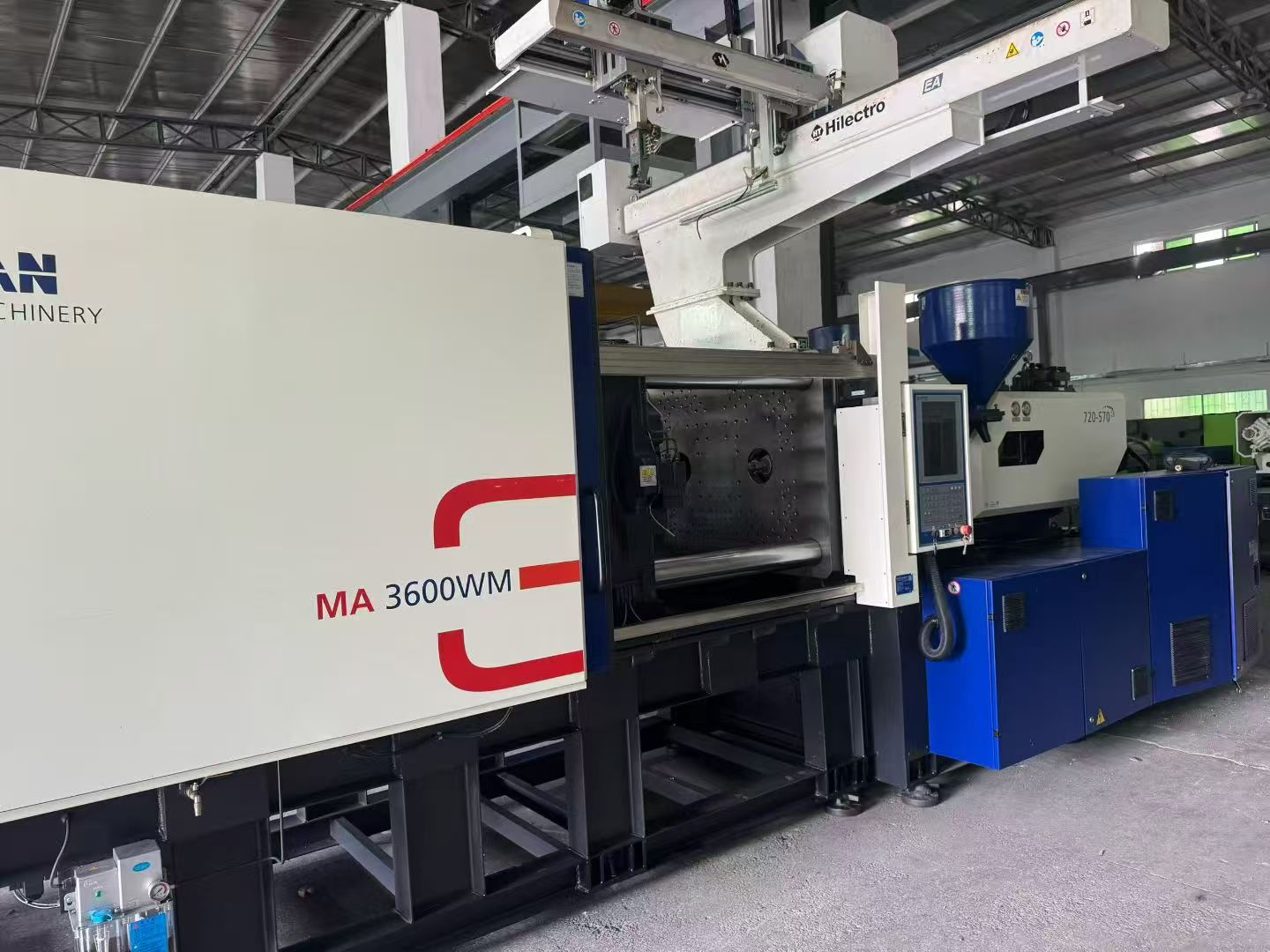
For overseas buyers, a used injection molding machine running video is often the first practical evidence of machine condition. Photos can show the outside appearance, nameplate, controller, platen, and oil tank, but video helps confirm whether the machine can power on, move smoothly, inject material, clamp normally, and run without obvious alarms.
A running video cannot replace a full on-site inspection, but it can help buyers filter machines before spending time on quotation, negotiation, third-party inspection, or shipment planning. When the video is clear and complete, both the buyer and supplier can discuss the machine with fewer misunderstandings.
Below is a practical video checklist buyers can use before purchasing a used injection molding machine, used Haitian injection machine, or second hand plastic injection molding machine for export.
1. Ask For A Complete Machine Walkaround
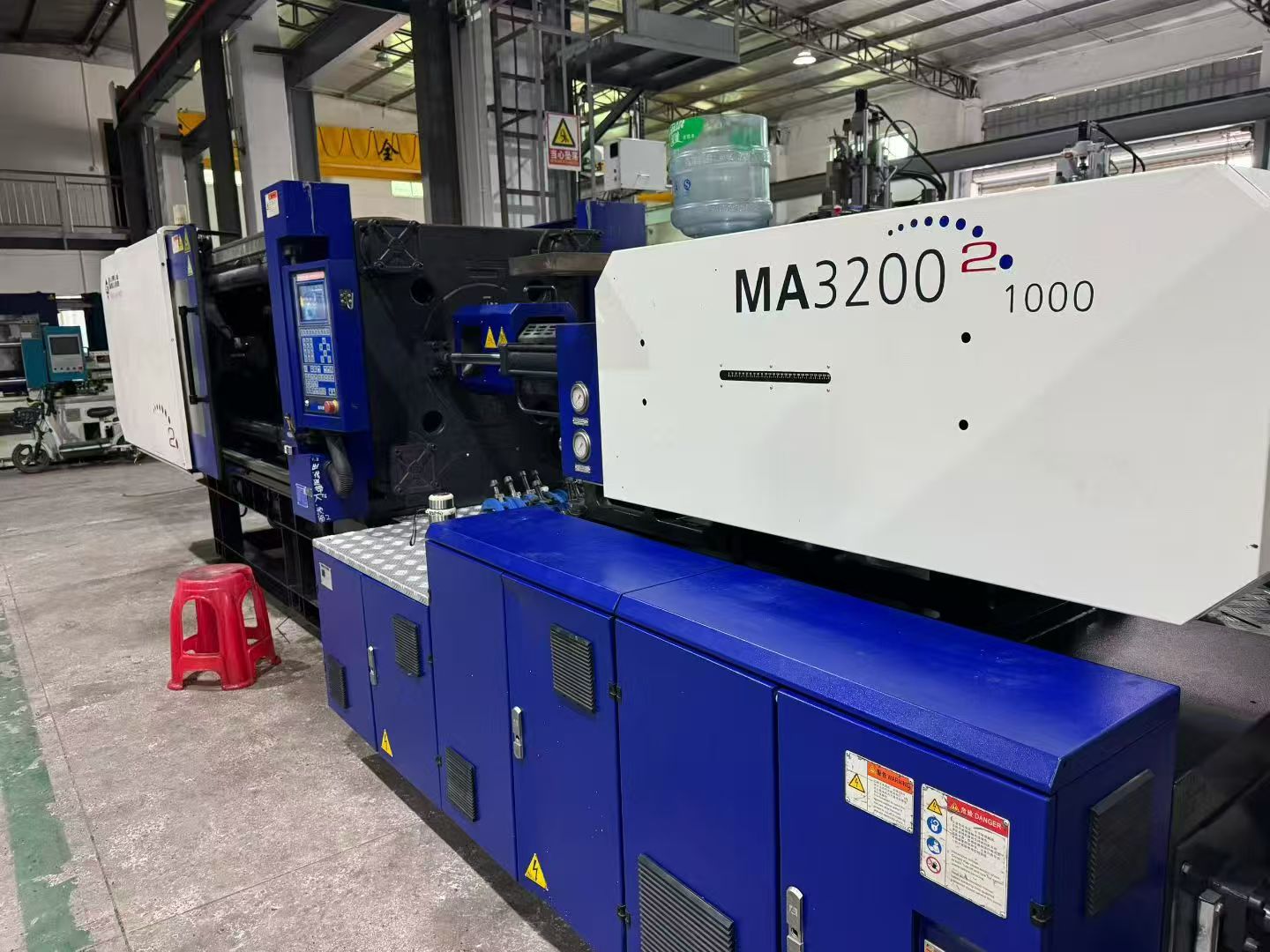
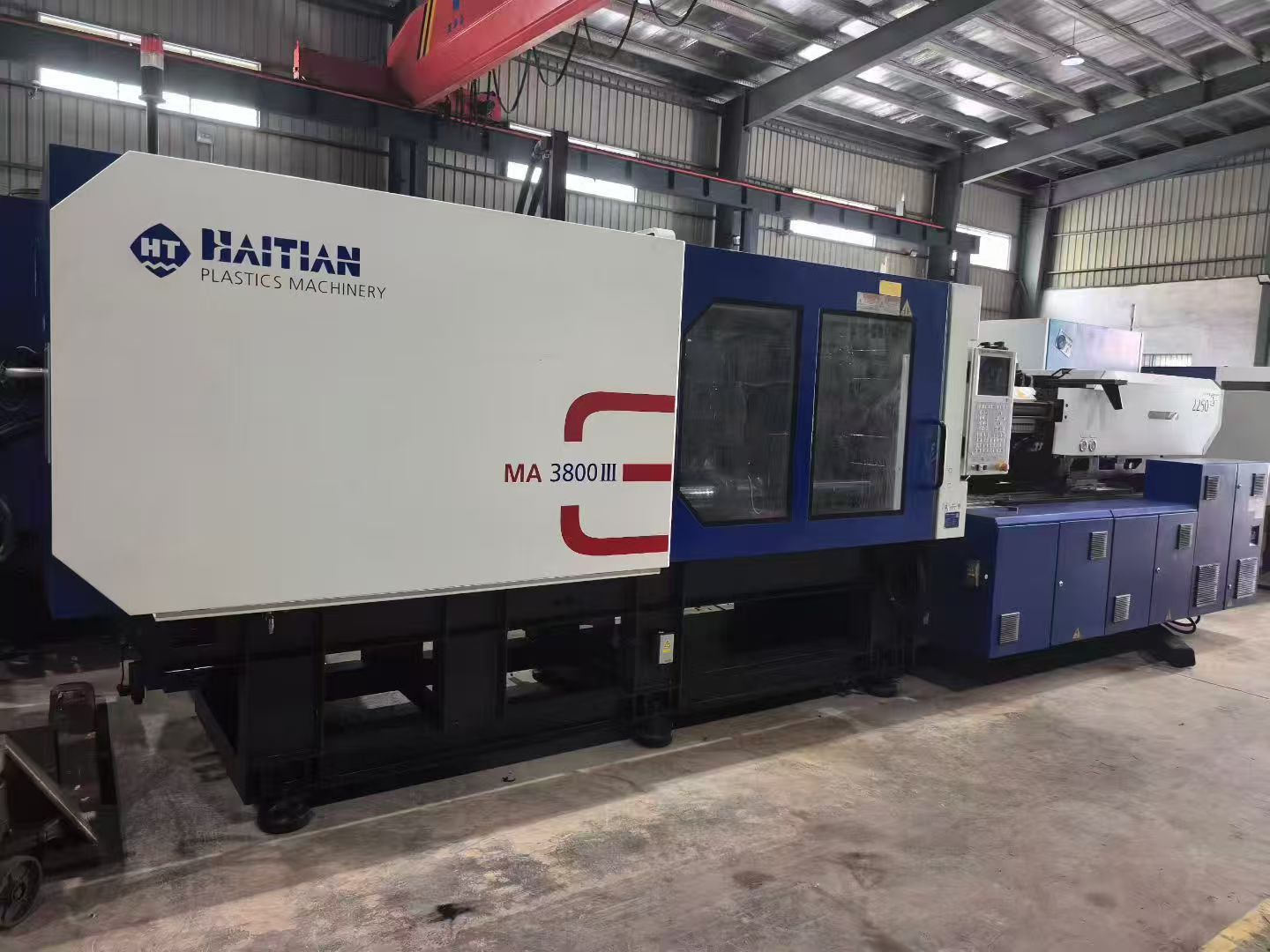
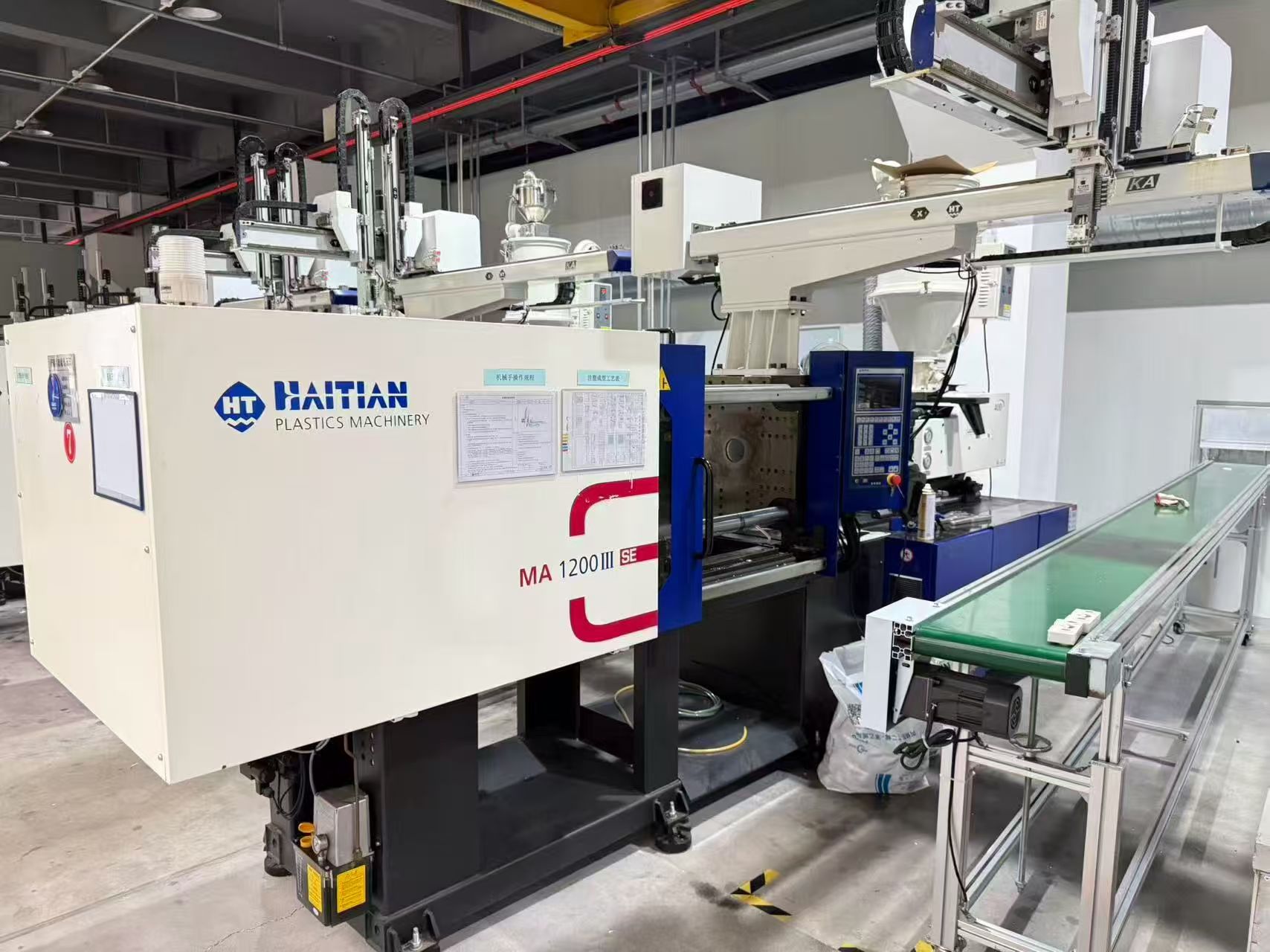
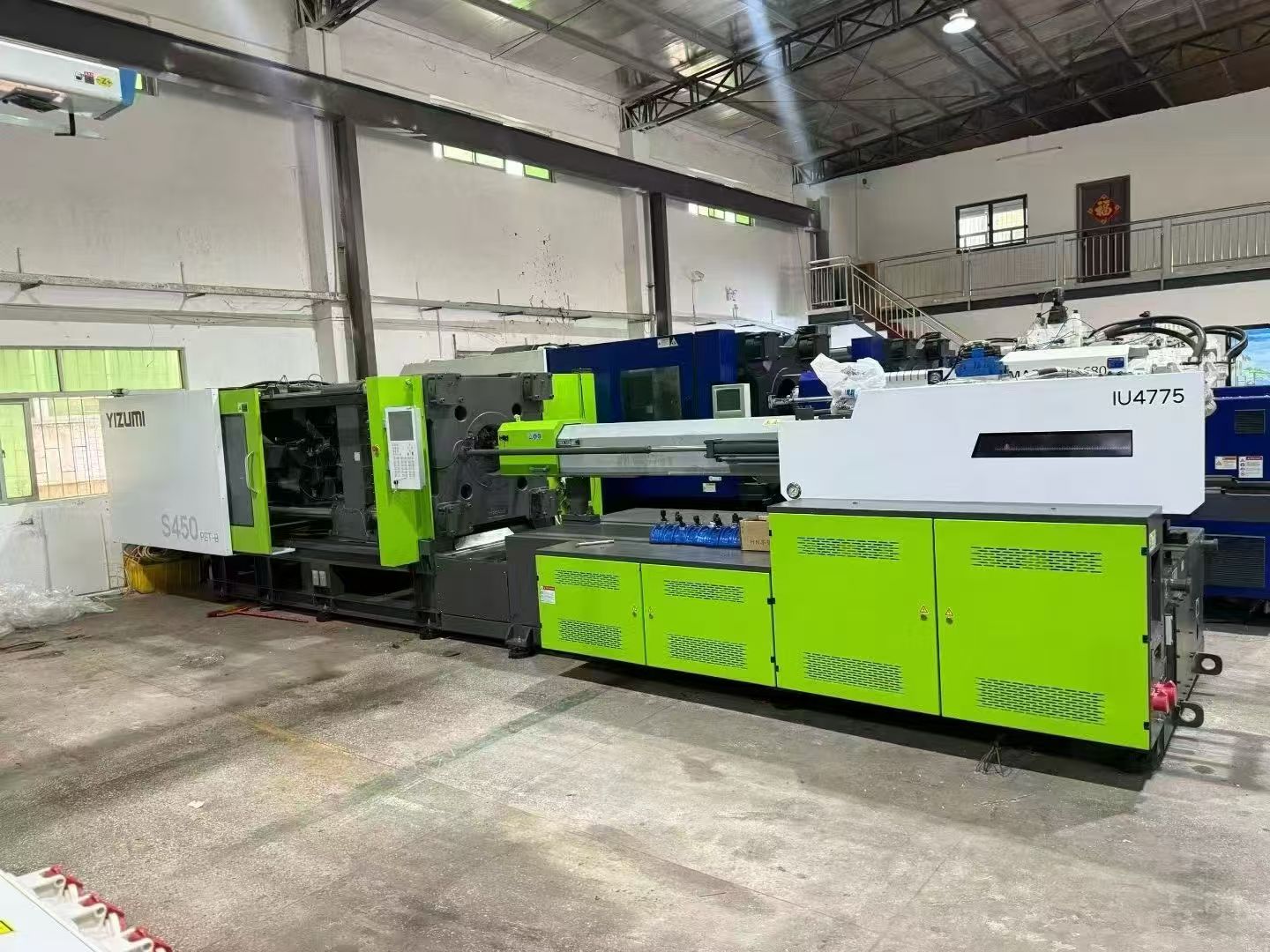
Start with a slow walkaround video. The supplier should show the front, back, side panels, clamping unit, injection unit, oil tank area, electrical cabinet, controller, nameplate, and machine base.
This video helps confirm that the machine in the quotation is the same machine shown in photos. It also helps buyers check whether important covers, guards, pipes, cables, and visible components are missing.
Useful details to request:
- Machine brand and model
- Machine nameplate
- Clamping unit and tie bars
- Injection unit and screw barrel area
- Controller screen
- Electrical cabinet exterior
- Oil tank and hydraulic pipe area
- Overall machine appearance
If the supplier only sends a short front-view video, ask for a more complete walkaround before making a decision.
2. Confirm Power-On And Controller Startup
A useful running video should show the machine being powered on and the controller starting normally. The controller screen should be visible enough to read basic information, operating mode, temperature zones, alarms, and movement status.
For many buyers, controller condition is important because repair or replacement can cause extra cost after arrival. If the controller screen is dim, broken, hard to read, or full of alarms, the buyer should ask for more explanation before confirming the order.
Ask the supplier to show:
- Power-on process
- Controller screen after startup
- Main operation page
- Alarm page
- Heating temperature page
- Manual operation page
If the machine is a used Haitian injection molding machine, also ask the supplier to show the model information and controller interface clearly.
3. Check Mold Open And Close Movement
The video should show the mold open and close movement several times. Watch whether the platen movement is smooth, whether there is abnormal shaking, and whether the machine makes unusual noise.
The buyer should not judge only by speed. A machine may move slowly because of manual mode, safety setting, or video conditions. The key is whether movement looks stable and controlled.
Ask for:
- Mold open movement
- Mold close movement
- Low pressure mold protection if available
- Clamping action
- Ejector forward and backward movement
- Tie-bar and platen condition during movement
This is especially important for machines used for larger molds, crates, automotive parts, pallets, containers, or thick-wall products.
4. Ask For Injection Unit Movement
The injection unit should also be tested in video. Buyers can ask the supplier to show injection carriage forward and backward movement, screw rotation, charging, injection, and decompression where possible.
If the machine is not connected to a mold or material, some functions may only be tested in manual mode. The supplier should explain the test condition clearly.
Important video points:
- Injection carriage forward and backward
- Screw rotation
- Charging movement
- Injection movement
- Nozzle area
- Screw barrel heating status
- Abnormal noise or vibration
For used machines, screw and barrel condition can affect production stability. A running video cannot fully prove screw barrel wear, but it can help identify obvious abnormal movement or sound.
5. Request A Mold Trial Video If Possible
The best evidence is a short mold trial video. It shows the machine running with mold, material, product removal, and cycle movement. This is not always available, especially if the machine is already disconnected or stored, but it is very useful when possible.
A mold trial video can help buyers see:
- Machine cycle stability
- Plasticizing and injection movement
- Mold opening and closing
- Product ejection
- Finished product appearance
- Cycle time range
- Operator interaction with the machine
If the buyer has a specific product in mind, the supplier may not be able to test the same mold. Still, a general running test is better than only static photos.
6. Check For Hydraulic Oil Leakage
Hydraulic leakage is one of the most common concerns when buying a second hand injection molding machine. Ask the supplier to record the oil tank area, hydraulic pipes, valve blocks, pump area, and machine base after movement.
Watch for fresh oil marks, wet surfaces, dripping oil, or heavy stains around important hydraulic areas. Some old stains may be normal for used equipment, but active leakage should be explained.
Ask the supplier:
- Is there active leakage?
- Were seals or hoses replaced?
- Is the oil pump working normally?
- Is there abnormal hydraulic noise?
- Can the machine run for a longer test period?
If leakage is visible, it does not always mean the machine cannot be used, but the buyer should include repair cost and spare parts planning in the decision.
7. Review Alarm Messages Carefully
A running video should not hide the controller alarm page. If there are alarms, ask the supplier what they mean and whether they are caused by missing mold, safety doors, low temperature, disconnected auxiliary equipment, or a real fault.
Some alarms may be normal in testing conditions. Others may indicate sensor, servo, hydraulic, heater, or controller problems.
Before confirming the order, ask for:
- Alarm list video
- Explanation of each alarm
- Video after alarm reset
- Longer running test if needed
Do not rely only on a short video that avoids the controller screen.
8. Confirm Machine Nameplate And Quotation Match
The running video should show the nameplate and controller together with the machine. This helps confirm that the model, year, screw diameter, clamping force, and machine identity match the quotation.
For buyers comparing several machines, this step prevents confusion between similar-looking models.
Check:
- Machine model
- Serial number if visible
- Year of manufacture
- Screw diameter if listed
- Rated clamping force
- Quotation model and photos
If any information does not match, ask the supplier to clarify before moving forward.
9. Ask For Loading Preparation Videos Before Shipment
After the machine is selected, buyers should also request videos or photos before loading. This is not the same as the running video, but it helps protect the shipment process.
Useful loading evidence includes:
- Machine after cleaning
- Important parts removed or fixed
- Controller and electrical cabinet protected
- Oil drained or prepared according to shipping requirement
- Machine wrapped or packed
- Container loading process
- Final container seal
For used injection molding machines, loading details matter because the machine is heavy, long, and sensitive to impact during transport.
10. What To Send Supplier For A Better Video
Buyers can get better video evidence by sending a clear request, not just asking "please send video." A detailed request helps the supplier know what to record.
Example request:
Please send a running video of the used injection molding machine.
We need to see:
1. Full machine walkaround
2. Nameplate and controller startup
3. Mold open/close movement
4. Ejector movement
5. Injection unit forward/backward
6. Screw rotation and charging
7. Alarm page
8. Hydraulic oil pipe and pump area after movement
9. Mold trial video if available
This type of request saves time and makes machine comparison easier.
FAQ
Is a running video enough before buying a used injection molding machine?
No. A running video is useful for initial screening, but buyers should still check machine specifications, photos, condition details, mold fit, payment terms, loading plan, and inspection options.
What if the machine cannot run with a mold?
Ask for a manual function test video. The supplier should explain why a mold trial is not available and show as many machine movements as possible.
Should I ask for a live video call?
Yes, if the order value is high or the buyer needs more confidence. A live video call can help verify the machine in real time.
What is the most important video for a used Haitian injection machine?
At minimum, ask for controller startup, nameplate, mold open/close, injection unit movement, screw rotation, alarm page, and hydraulic area video.
Request Used Machine Video Support
If you are comparing a used injection molding machine, send your required tonnage, mold size, product photo, material, target output, and destination country. Geerpower can help review available machine options and request practical running videos before quotation.
Need help checking a used injection molding machine video?
Send your machine requirement, mold dimensions, product photo, material, and destination country. Geerpower can help compare suitable machines and request useful running videos before quotation.
Publishing Notes
- This article supports the used machine inspection and export-buyer funnel.
- Do not publish before Contact Us and WhatsApp public repair passes.
- Before publishing, add internal links to the used Haitian buyer guide, second hand buyer guide, used Haitian inspection checklist, products page, and
/contact-us. - After publishing, check whether the article creates a new sitemap URL and does not duplicate the main used Haitian buyer guide.