
Why buyers keep searching for a haitian 380 ton servo injection machine
A haitian 380 ton servo injection machine sits in a very practical part of the injection molding market: large enough for serious production, but still common enough to be compared, inspected, and bought with some discipline. For sourcing managers and engineers, that matters. The machine class is often used when part size, mold footprint, clamp force, and repeatability all start to matter at once, and the wrong choice can lock a plant into higher scrap, slower cycles, or unnecessary energy use.
The search intent here is usually straightforward. Buyers want to know whether a Haitian 380-ton platform, or a similar 380ton servo injection molding machine, is the right fit for a mold family, a production target, or a replacement line. They also want to know how to judge a used unit without overpaying for a nameplate and without getting trapped by missing technical detail. That is a sensible question, especially in used equipment markets where photos can be clear and specifications can still be fuzzy.
What this machine class is typically used for
A 380 ton plastic injection machine is generally aimed at medium-to-large parts that need stable clamping and consistent shot delivery. In practical terms, that can include housings, appliance parts, automotive components, containers, structural plastic elements, and other repeatable molded parts where the mold is not tiny and the cycle cannot be sloppy.
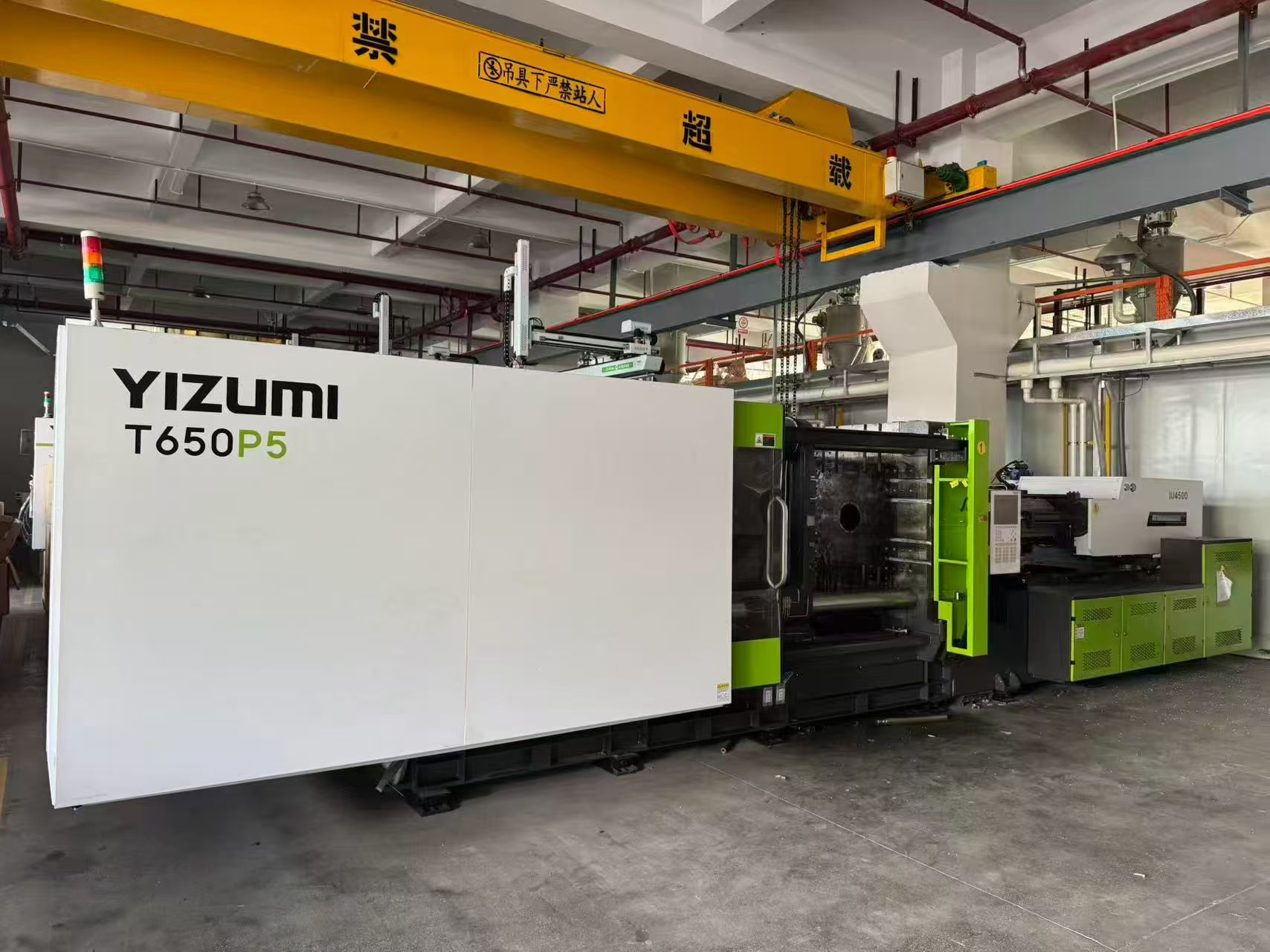
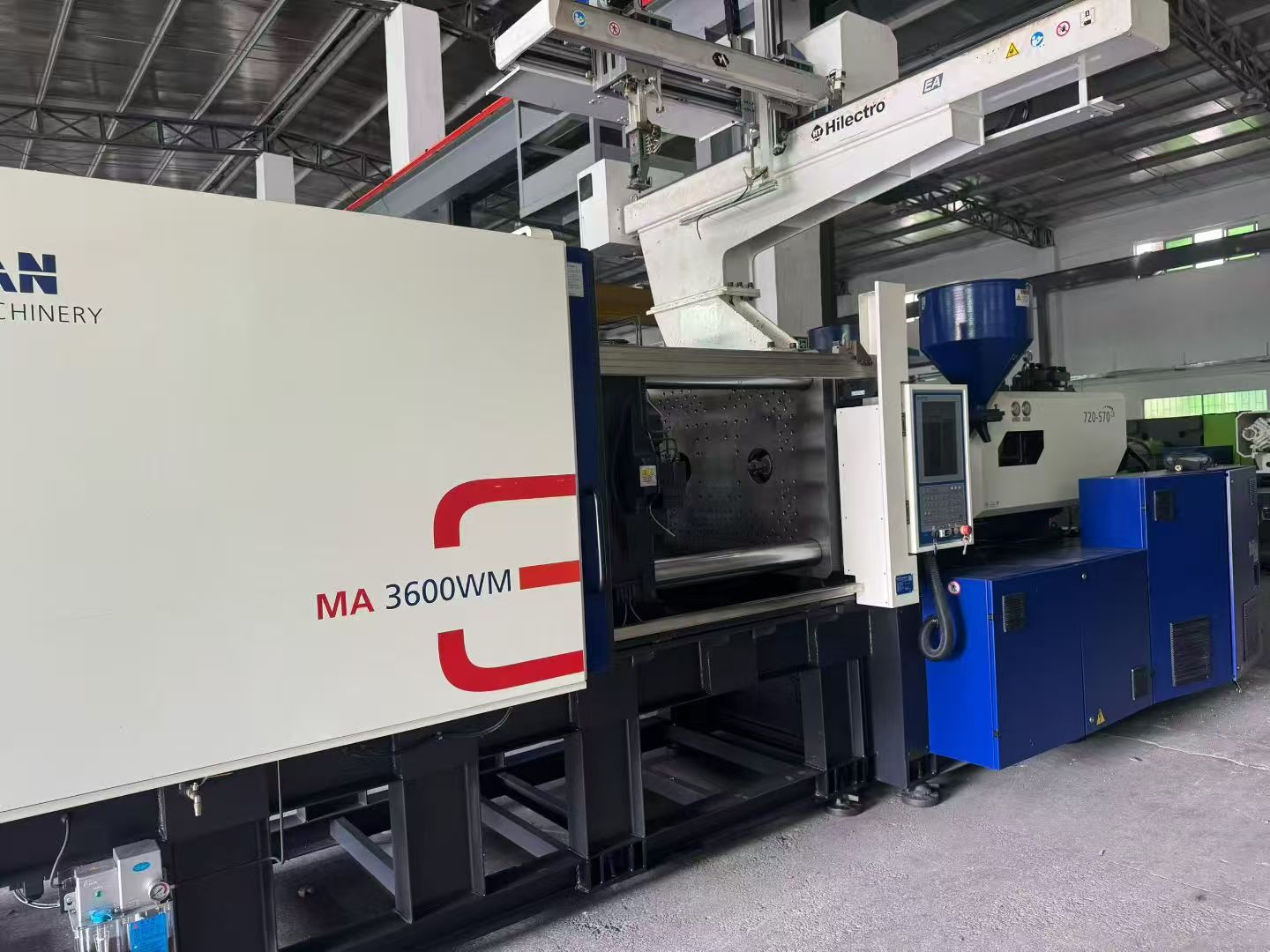
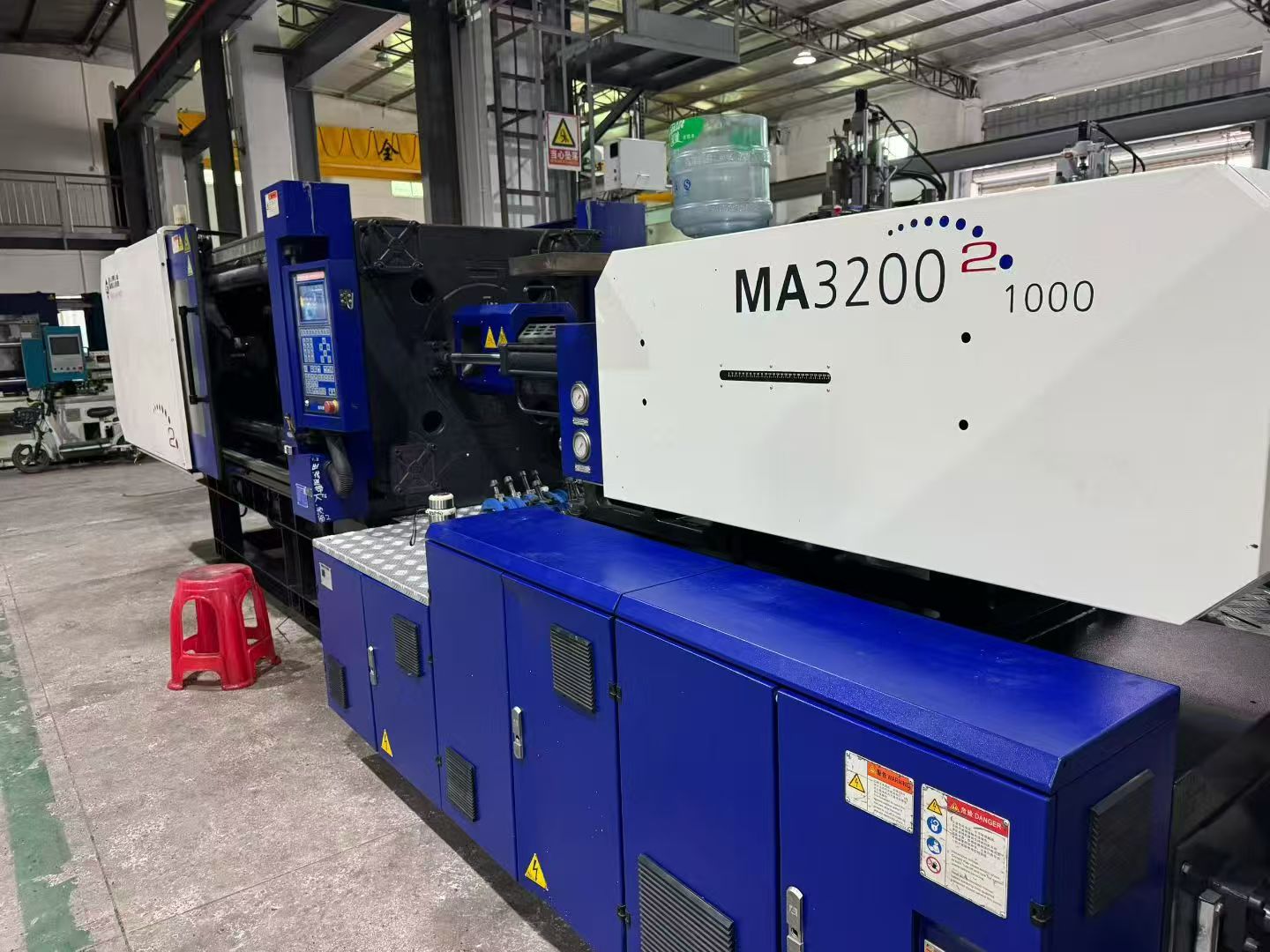
The visible machine data provided here is limited, but one image note shows a large enclosed industrial injection molding machine with a steel frame, service cabinets, and an integrated control area. A marking reading “MA3200 1000” is visible, though that model tag should be treated cautiously unless the seller confirms the exact machine identity. In other words, the form factor suggests heavy production equipment, but the tonnage and drive system should still be verified from the machine plate and controller details.
If you are comparing a Haitian injection molding machine 380 ton against other brands, the real issue is rarely the badge alone. It is whether the press delivers stable clamp performance, reasonable energy consumption, and serviceability for your parts and your maintenance team.
Servo versus conventional drive: what buyers are actually weighing
The phrase servo motor injection molding machine gets used loosely in listings, but the buyer usually means one of two things: a machine with servo-driven hydraulic systems, or a platform positioned as energy-saving compared with older fixed-speed hydraulic presses. A haitian servo plastic injection machine in this class is often attractive because servo systems can reduce idle power demand and may improve operating control when matched correctly to the application.
That said, servo is not a magic word. A plant should still ask how the machine behaves under real load, not just during a sales demonstration. The molds, resin, cooling setup, and cycle profile matter just as much as the drive package. A servo-hydraulic machine that looks efficient on paper can still be the wrong answer if the production rhythm is unstable or if the maintenance team is not familiar with the control architecture.
For buyers considering a Haitian 380t servo press, the practical questions are:
1. Does the clamp suit the mold?
Clamp force, platen size, tie-bar spacing, and mold thickness range must fit the tool, not just the part concept. This is where many projects get complicated. A 380 ton injection molding equipment platform may look ample, but if the mold footprint or opening stroke is marginal, the line will suffer later.
2. Is the shot capacity appropriate?
The injection unit must comfortably cover part weight, runner weight, and any process buffer. Under-sizing the shot is a common mistake, particularly on larger parts where the material choice changes over time.
3. Does the machine match the plant’s utility setup?
Power, cooling, air, and floor loading all matter. A large enclosed machine with heavy base cabinets and service access needs a plant that can actually support it. This sounds obvious, but it is one of the first things that causes installation delays.
Reading a used machine listing without getting misled
Used equipment listings can be useful, but only if the buyer treats the image as a clue rather than proof. In the material provided, GEEPOW Machinery states that it offers used injection molding machines from 90 to 2800 tons, with over 300 models in stock. That tells a sourcing team something useful: there is breadth in the inventory, and the company appears to work across a wide tonnage range.
Still, no one should assume that a Haitian brand injection machine is fully confirmed just because the machine looks similar to a familiar platform. Verify the machine plate, controller, year if available, and any rebuild history. A faceplate photo is better than a brochure, but not enough by itself.
A careful buyer will ask for:
- Exact tonnage and full model designation
- Hydraulic, servo-hydraulic, or electric drive type
- Clamp and injection unit specifications
- Platen dimensions and tie-bar spacing
- Controller version and language support
- Service history and operating condition
Those details are not glamorous, but they determine whether the machine is a production asset or a shop floor headache.
How a Haitian 380-ton platform fits into production planning
The practical appeal of this machine class is that it can support serious throughput without jumping to the largest, most power-hungry segment of the market. For many operations, that is the sweet spot. It can be large enough for multi-cavity molds or larger components, but still manageable in terms of footprint, tooling logistics, and operator access.
Engineers often care about repeatability first. Sourcing teams care about total cost and availability. Production teams care about uptime and ease of changeover. A machine in this category has to satisfy all three, or it becomes a compromise that no department fully owns.
A few useful selection criteria stand out:
- Part geometry and projected area
- Mold size and weight
- Material type, especially if the resin is sensitive to process swings
- Expected annual volume
- Plant utility capacity and spare parts support
- Operator familiarity with the control system
If a machine checks most of those boxes, it is worth moving forward. If it only looks good because the price is attractive, caution is justified.
Common mistakes buyers make with 380-ton machines
One common error is buying by tonnage alone. Clamp force matters, but it does not tell the whole story. Another mistake is ignoring the condition of the control cabinet, wiring, and service access points. The image description here notes vented cabinet panels, warning labels, and maintenance access areas, which are good signs from a serviceability standpoint, but they still need to be inspected in person.
Another issue is assuming that a servo system guarantees lower operating cost in every case. The actual savings depend on cycle profile, idle time, and machine condition. A worn machine with a servo drive is still a worn machine.
It is also easy to forget logistics. A large horizontal injection molding machine is not a casual installation. Floor space, rigging, and commissioning should all be planned before purchase, not after the truck arrives.
What the image tells us, and what it does not
The visible machine appears to be a large industrial injection molding press with an enclosed housing, painted steel panels in white, blue, and black, and a long horizontal layout. That suggests a robust production platform rather than a lab or light-duty unit. The presence of integrated cabinets and access doors is a positive sign for maintenance and daily operation.
But the image does not confirm exact tonnage, brand origin, injection unit size, or whether the drive is truly servo-hydraulic. For a buyer, that distinction is important. It is one thing to see a machine that resembles a haitian ma3800 servo machine or another familiar 380-ton model; it is another to validate every core specification.
Buyer-facing advice before you request a quote
If you are contacting a supplier, come prepared with part drawings, resin details, mold dimensions, and target output. That will help the seller tell you whether the machine is suitable, rather than simply available. Ask for documentation that proves the machine configuration, not just a general description.
For used equipment in particular, ask whether the machine has been inspected under power, whether the hydraulics and electrical systems were tested, and whether any key components were replaced. A cautious supplier should be able to answer those questions without vague language.
GEEPOW Machinery’s inventory range suggests that it may be able to support buyers looking across multiple tonnages, not just one press size. That is useful if you are comparing a 380 ton machine against smaller or larger options for different product families.
FAQ: quick answers buyers usually need
Is a Haitian 380-ton machine always the right choice for large parts?
No. Part geometry, mold size, shot capacity, and resin behavior matter as much as tonnage.
Is servo always better than standard hydraulic?
Not always. Servo systems can offer efficiency and control benefits, but only if the application, maintenance setup, and machine condition support them.
Can I identify the exact model from a photo?
Usually not with confidence. A visible tag helps, but the machine plate and seller documentation should confirm the full specification.
What should I prioritize in a used press?
Condition, documentation, and fit to your mold and utility setup. Nameplate size comes after that.
Next step if you are sourcing now
If your team is evaluating a haitian 380 ton servo injection machine, narrow the search to machines that match your mold envelope, shot requirements, and plant utilities first. Then ask for the exact model, drive type, and service history before you talk price. That sequence saves time and avoids expensive surprises.
For buyers comparing used injection molding machines across several tonnage classes, a supplier with a broad stock range can be useful, but only if the technical details are verified machine by machine. The right press is the one that fits the tool, the process, and the plant—not just the listing title.