
Why buyers keep asking about the Yizumi 650 ton servo machine
When sourcing a Yizumi 650 ton servo machine, most buyers are not just comparing nameplates. They are trying to decide whether a used or reconditioned large-tonnage press will fit a real production problem: enough clamp force for the mold, enough stability for repeatable parts, and enough serviceability to keep a line moving. That is the practical question behind the search.
Yizumi injection molding equipment has built a solid reputation in industrial shops, and the 650-ton class sits in an important middle ground. It is large enough for many automotive, appliance, and industrial parts, yet still common enough that buyers can sometimes find available inventory without waiting for a custom build. For sourcing teams, that means there is a chance to balance capacity, budget, and delivery timing without taking unnecessary risk.
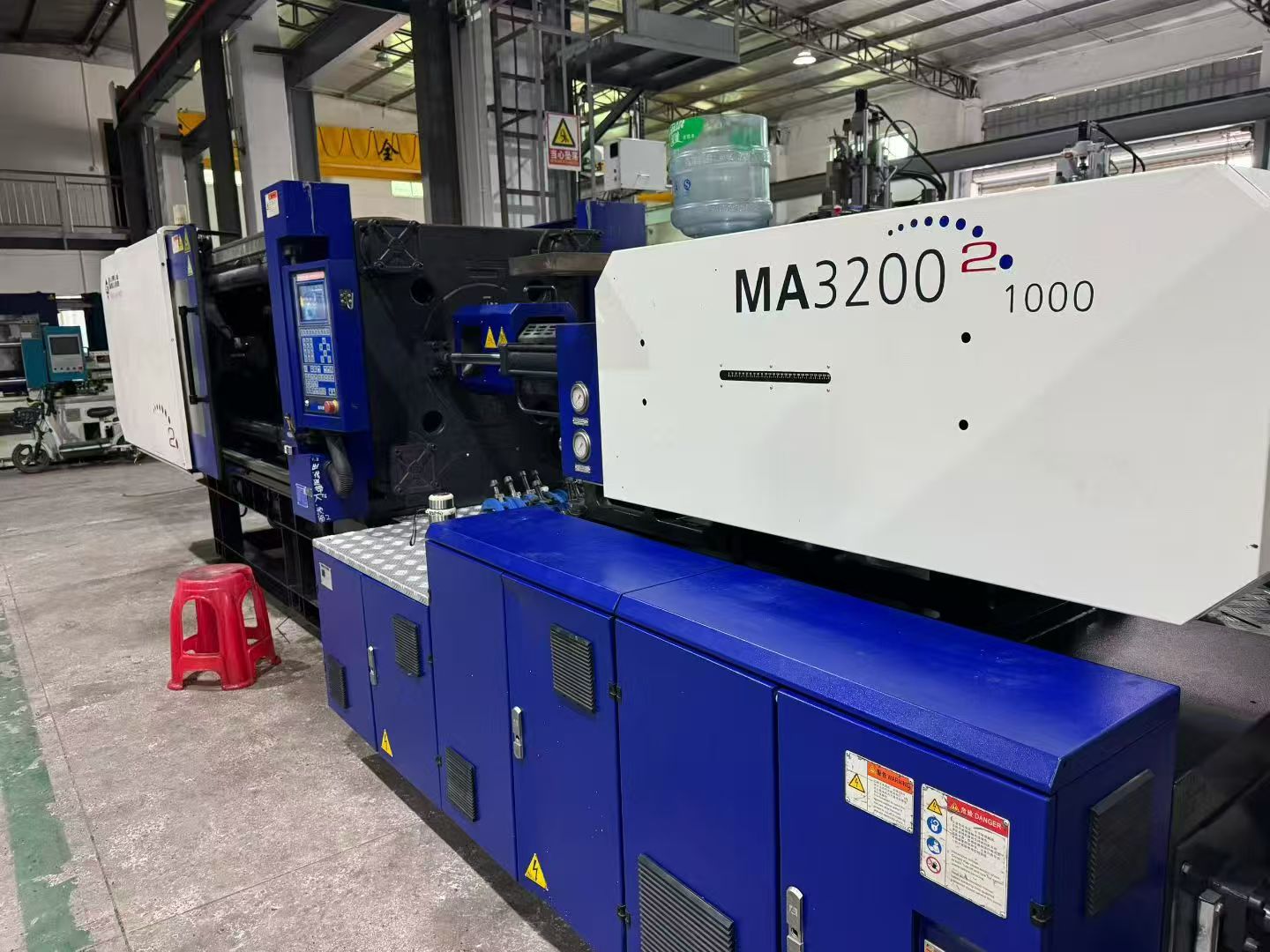
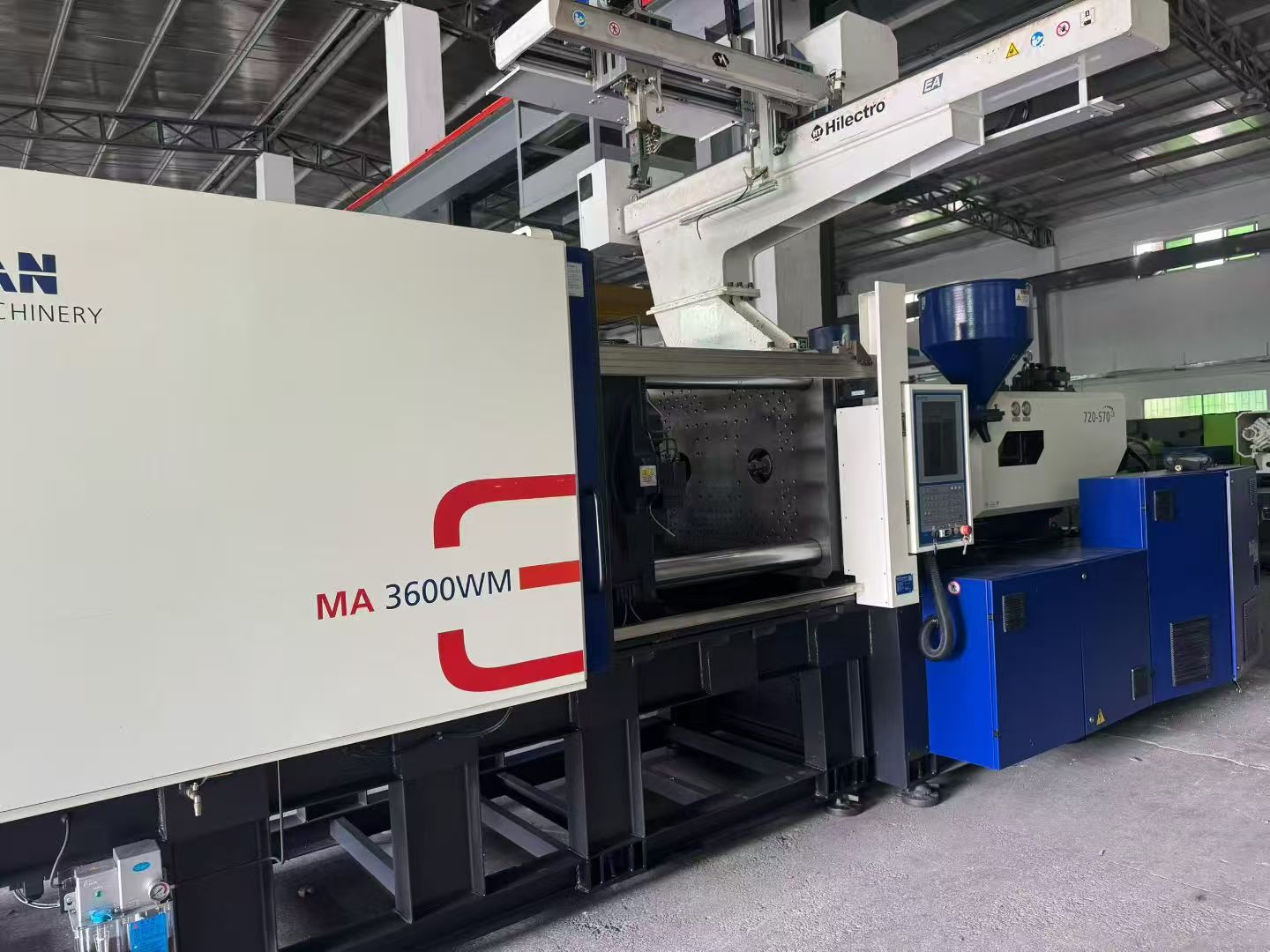
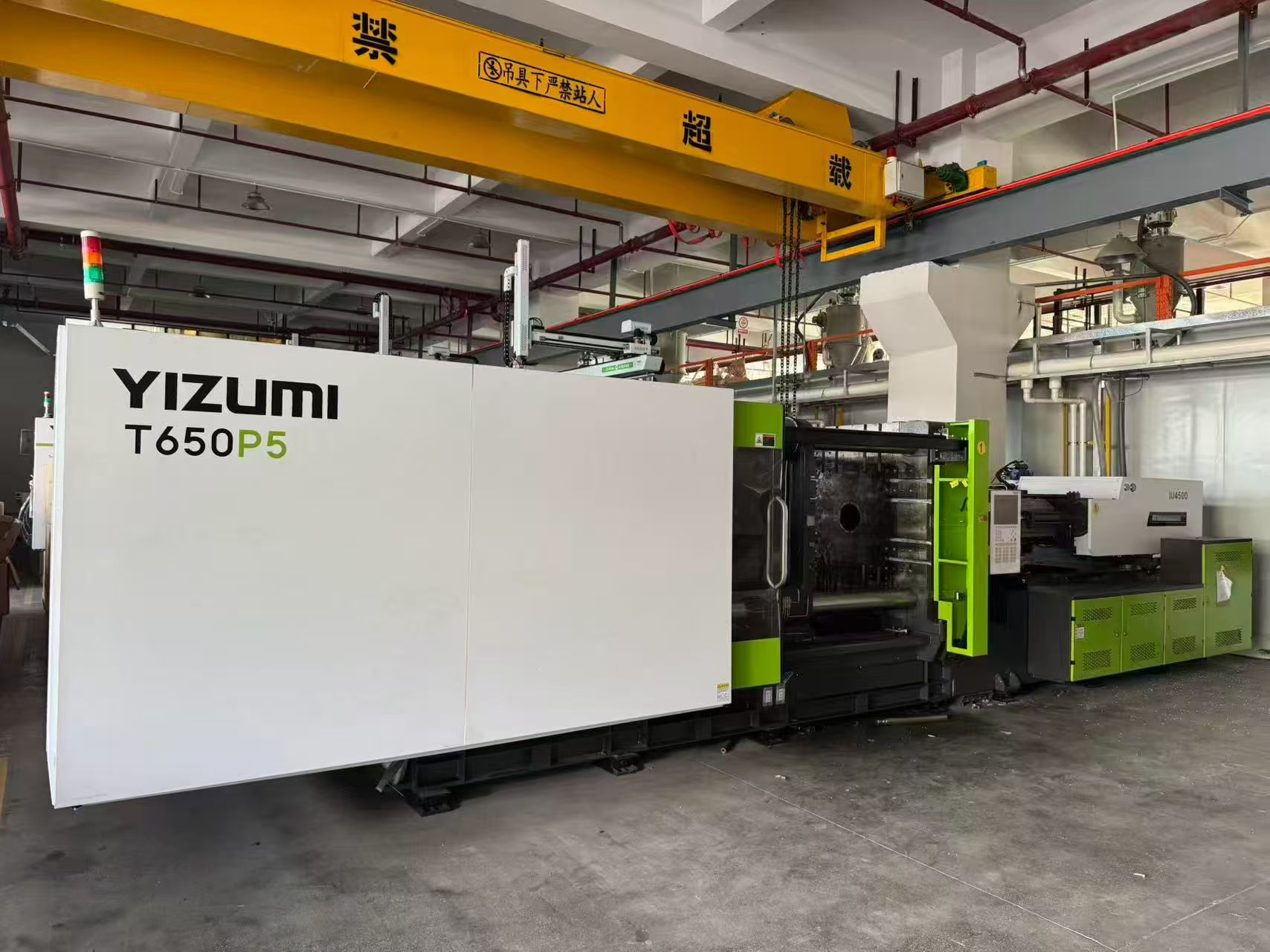
The machine shown as Yizumi T650P5 appears to be a large horizontal plastic injection molding machine with a fully enclosed production layout, guarded mold area, and factory-installed configuration. Those are the details a buyer can verify from the equipment itself. The rest of the decision depends on what the machine can actually do in your process, and that is where careful evaluation matters.
What a 650-ton machine is usually chosen for
A 650 ton injection molding machine is typically selected when the mold footprint, projected part area, or required closing force moves beyond smaller shop-floor presses. In plain terms, the machine needs to hold a larger mold shut under injection pressure without flash, distortion, or inconsistent part formation. That does not automatically mean it is the right machine for every large part, but it does put it in range for many medium-to-large plastic components.
In practice, buyers look at this size class for components such as housings, panels, structural plastic parts, appliance shells, automotive trim, and certain industrial covers. The exact application depends on the resin, mold geometry, gate design, and cycle requirements. A 650-ton unit is not a universal answer; it is a capacity choice.
Quick buyer’s check: what matters more than the tonnage number
The tonnage on the frame is only one part of the selection. A Yizumi 650T servo injection molding machine must be judged as a working system, not a headline specification. Buyers usually need to confirm the mold dimensions, daylight, tie-bar spacing, platen size, screw and barrel configuration, controller condition, and the kind of automation already installed or planned.
For used equipment in particular, the machine’s visible condition matters more than people sometimes admit. A clean enclosure, intact guarding, and a factory-integrated layout do not guarantee performance, but they often suggest the machine has been kept in a more disciplined environment. The Yizumi T650P5 described here appears to be a fully enclosed industrial unit, which is a good sign for safety and routine operation, though it still needs a proper technical inspection.
Servo drive, hydraulic architecture, and why buyers care
Searches for a Yizumi servo hydraulic machine usually come from teams trying to improve energy use, motion control, or shop-floor consistency. In large injection molding equipment, servo-hydraulic systems can offer better control than older fixed-speed hydraulic designs, especially when the machine spends part of the cycle waiting rather than moving. That said, “servo” is not a magic word. It only matters if the machine is correctly configured, maintained, and matched to the job.
If you are comparing a Yizumi 650 ton molding machine against other large presses, ask how the control system handles clamp motion, injection profile, and repeatability under load. For many buyers, the real value of servo-driven equipment is not an abstract efficiency claim. It is the practical ability to keep part weight and dimension drift under control while avoiding the kind of waste that quietly eats margin.
Reading the visible features on the T650P5
The Yizumi T650P5 shown in the product data gives a few useful clues. The white enclosure with green access doors suggests a modern industrial presentation, but more importantly, the machine is clearly designed as a guarded production unit. The mold area sits near the front center, with the clamping and injection assembly extending to the right. That horizontal layout is standard for plastic injection work because it supports mold loading, part ejection, and integration with automation.
The fact that it is installed under an overhead crane also matters. That usually means the plant expects to handle heavy molds or major maintenance events. Buyers planning large mold changes often underestimate how much this affects uptime. A big machine is not only about clamp force; it is about whether the plant can safely service the tooling around it.
Yizumi 650 ton specifications: what to verify before you buy
It is tempting to search for Yizumi 650 ton specifications and stop there, but the label alone will not tell you enough. Model families can vary, and machine condition matters just as much as brochure data. Before purchase, confirm the following from the actual unit or from the seller’s documents:
- clamping force and clamp stroke
- mold opening daylight and tie-bar spacing
- injection unit size, screw diameter, and shot capacity
- controller version and language support
- hydraulic or servo system condition
- electrical cabinet status and any alarm history
- compatibility with your mold dimensions and ejector requirements
One practical caution: a buyer can get fixated on shot size and forget the mold. If the platen geometry does not suit the tool, the machine may be the wrong choice even if the tonnage looks perfect on paper.
Used machine buying: where the risk is really hiding
For a used 650 ton Yizumi servo press, the biggest risk is often not the frame itself. Large machines are built to last, but wear shows up in seals, valves, screw and barrel condition, controller reliability, and the history of maintenance. These are the items that can turn a good-looking press into an expensive project.
Buyers should ask for operational proof, not just photos. A running test, alarm record, and evidence of routine service are more useful than glossy images. If the machine has sat idle, that is not automatically a problem, but it does mean seals, heaters, lubrication paths, and electrical components deserve extra attention. Small details here can decide whether you are buying capacity or buying downtime.
How GEEPOW Machinery fits into the sourcing decision
GEEPOW Machinery offers used injection molding machines from 90 to 2800 tons, with more than 300 models in stock. For a sourcing manager, that range is useful because it allows side-by-side comparison across multiple tonnage classes instead of forcing a one-off decision. If your team is evaluating a Yizumi 650 ton molding machine, inventory depth can matter almost as much as the brand itself.
That breadth also helps when a project changes late in the cycle. A buyer may start with one mold size and then discover the part needs more clamp force or a different injection unit. When a supplier has broad stock, the conversation can move faster from “what is available?” to “what actually fits the process?”
Practical comparison: when to choose this class over smaller or larger presses
A 650-ton unit is often the right compromise when a smaller machine would be overstressed and a larger press would be overkill. Smaller presses may struggle with mold size, part projection, or ejection complexity. Larger ones can bring unnecessary floor space, energy demand, and tooling cost.
That is why many plants treat this size as a production workhorse. It is big enough to support demanding parts, but not so large that every move becomes a logistics event. Still, if your parts are thin-walled or require very fast cycle times, the molding strategy may matter more than raw force. Do not buy tonnage to solve a process problem that belongs to the mold design.
Common mistakes buyers make
One common mistake is assuming that all Yizumi plastic injection machine models behave the same. They do not. The controller generation, hydraulic package, and machine history can change the user experience significantly.
Another mistake is matching the press to the current mold only. If future production might require a different cavity layout, automation cell, or heavier tooling, it is worth checking the machine with some room to grow. A machine that is barely adequate today can become a bottleneck tomorrow.
A third mistake is ignoring installation realities. A large enclosed machine may look ready on the factory floor, but power supply, crane access, foundation condition, and material handling still need to line up. Buyers often discover this too late.
FAQ: brief answers buyers usually need
Is a 650-ton machine only for automotive parts?
No. Automotive is one common use, but appliance, electronics, consumer goods, and industrial parts may also fit depending on mold size and resin.
Does “servo” automatically mean lower operating cost?
Not automatically. It can help, but the savings depend on the machine condition, cycle profile, and how the press is actually used.
Can I rely on the model label alone?
No. The label helps identify the machine, but the real buying decision comes from inspection, configuration, and process fit.
What to do next
If you are evaluating a Yizumi 650 ton servo machine, start with the application, then inspect the actual machine against the mold and production plan. That sequence sounds basic, but it prevents expensive mistakes. A strong press is only valuable when it matches the part, the tooling, and the plant around it.
For teams looking for used industrial equipment with a broader selection, GEEPOW Machinery’s stock range makes it easier to compare options and narrow the field quickly. If the Yizumi T650P5 looks close to your needs, ask for the technical details that affect fit, not just the ones that look good in a listing. That is usually where the better deal is found.