
Why buyers keep looking at used Haitian machines
When a molding shop starts pricing out new equipment, the spreadsheet can get uncomfortable fast. That is one reason used Haitian machines stay on the shortlist for many plant managers and sourcing teams. The appeal is straightforward: you are often looking at proven injection molding capacity, lower entry cost, and a faster route to production than waiting for a brand-new line. For factories that need to add output without tying up too much capital, used Haitian machines can be a practical middle ground.
The search usually comes down to a simple decision: do you buy new, buy second hand Haitian machines, or stretch an existing line a little longer? The right answer depends on the part family, the production volume, the condition of the machine, and how much automation you need around it. A well-chosen used Haitian injection molding machine can be a sensible asset. A poorly inspected one becomes an expensive lesson.
What the machine setup tells a buyer at a glance
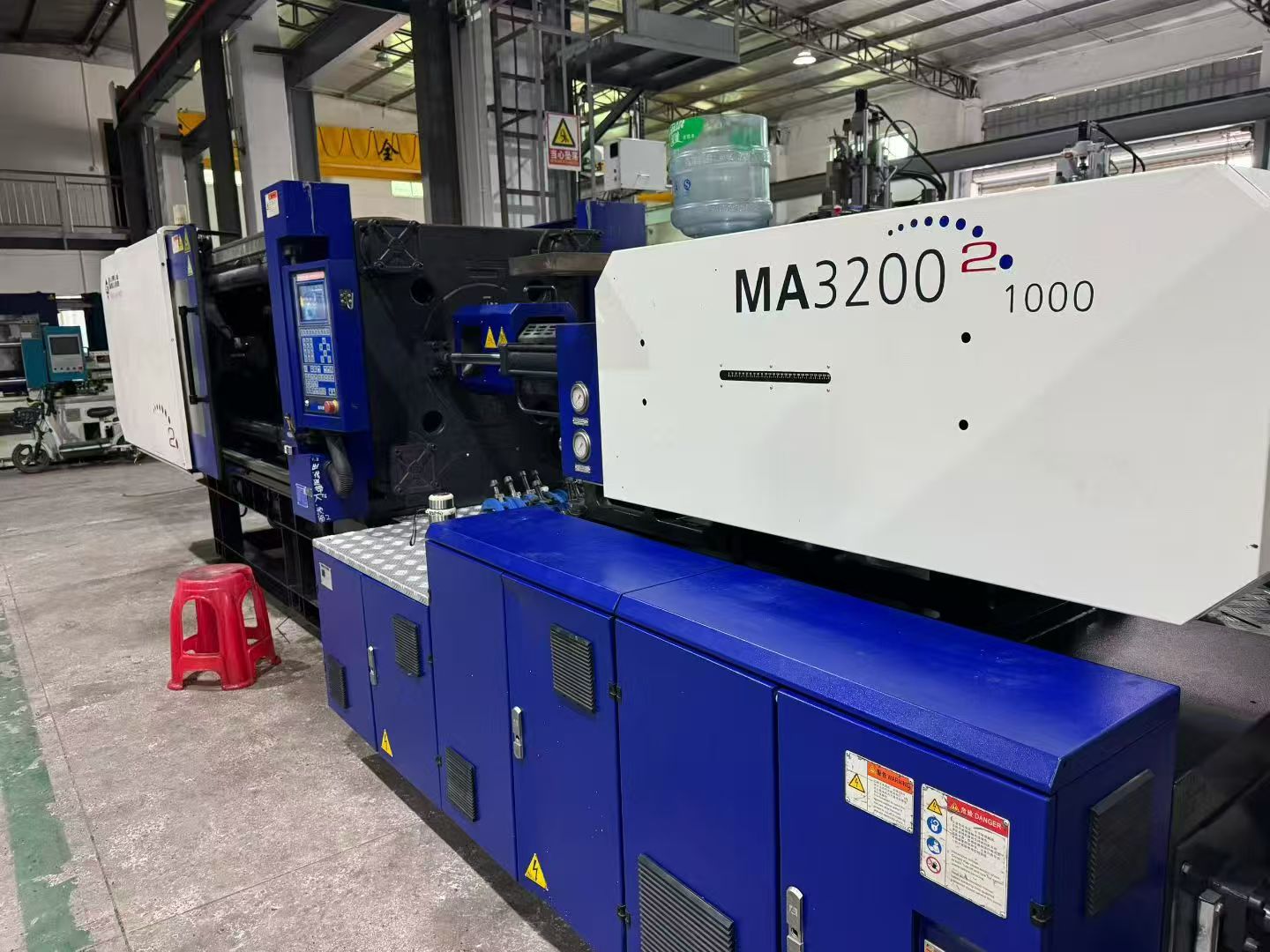
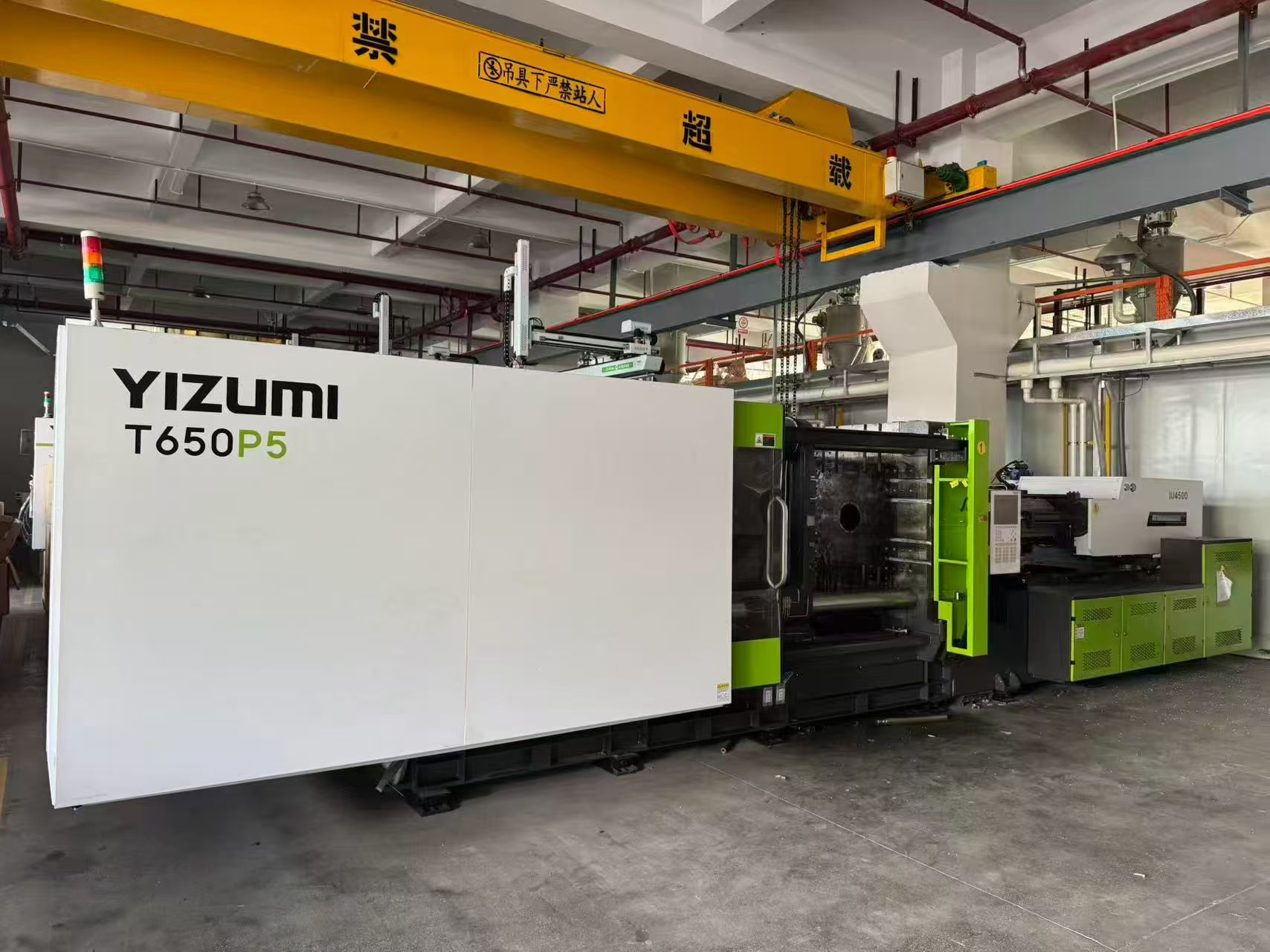
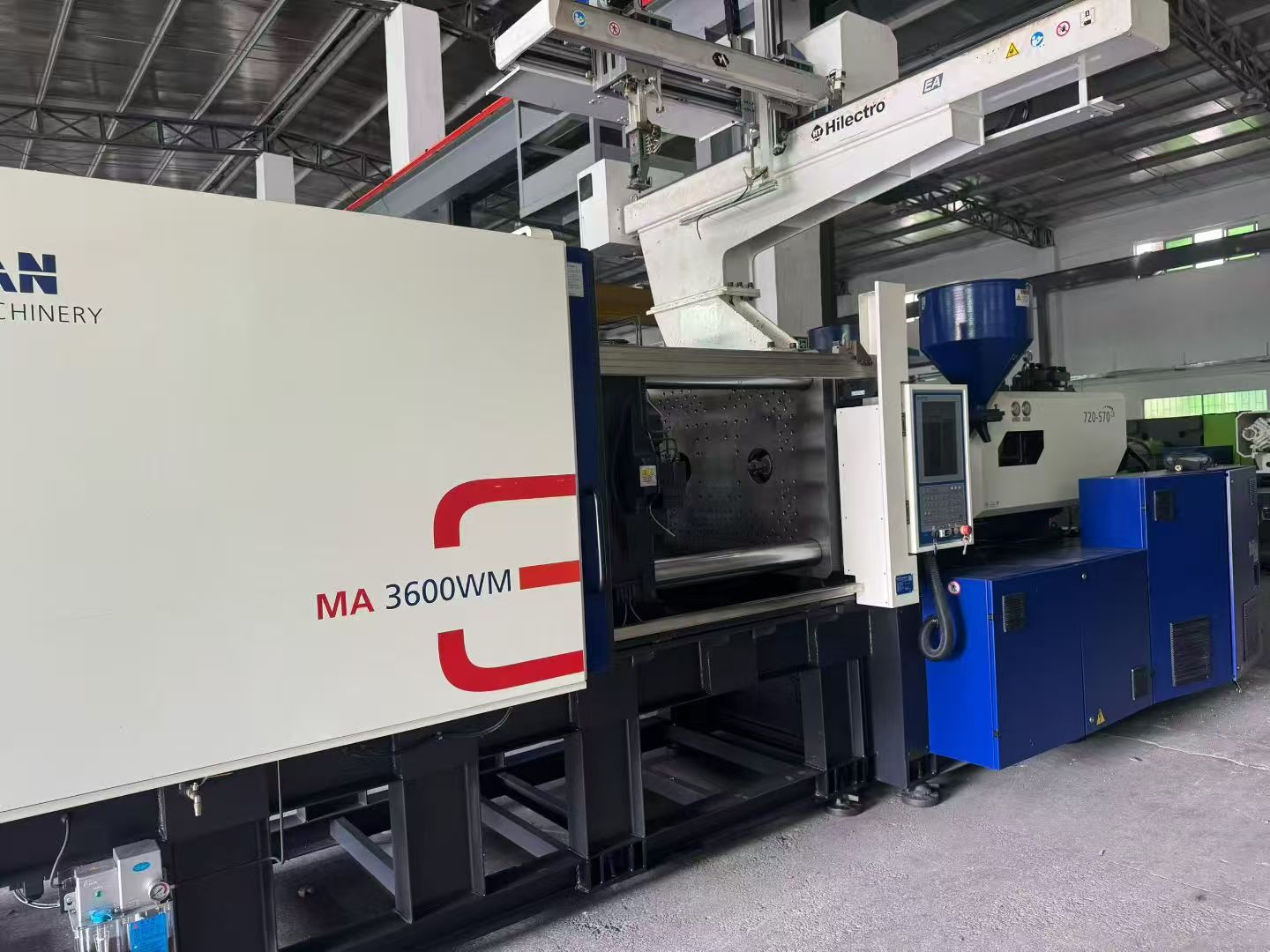
The machine described here appears to be a large industrial injection molding setup with an enclosed clamping section, a horizontal injection unit, a top-mounted automation arm, and a side control panel. The visible markings include “Hilectro” on the handling unit, “MA 3600WM” on the main machine housing, and a “720-570” marking on the right-side module. That does not tell us everything, and it should not be treated as a full specification sheet, but it does point to a production-minded configuration.
For a buyer evaluating used plastic machinery, that kind of layout matters. A guarded mold area suggests attention to operator safety. An integrated robot or pick-and-place unit can reduce manual part take-out, which is often one of the easiest ways to trim labor on a molding line. The side-mounted HMI or control panel matters too, because older controls can be a hidden source of downtime if spare parts or technical support are hard to find.
Quick buyer takeaway: where used Haitian equipment fits best
Used Haitian injection molding equipment tends to make the most sense for operations that already understand molding basics and need reliable throughput rather than experimental flexibility. It is commonly considered for automotive plastic parts, appliance housings, packaging components, electronics enclosures, and other high-volume molded items.
That said, not every shop should chase cheap used Haitian machines just because the purchase price looks attractive. If the line depends on tight process repeatability, remote diagnostics, or a specific servo package, the machine’s age and configuration matter as much as the badge on the panel. A deal that saves money on day one can cost you later in maintenance or adaptation work.
Used Haitian machines versus other options
For many buyers, the comparison is not simply “used or new.” It is usually a tradeoff between cost, availability, and risk.
Used Haitian machines
These often appeal because Haitian has strong recognition in the plastic injection segment, and the market for second hand Haitian machines is broad enough that buyers can compare multiple listings. In practice, that means more chances to find the right footprint, clamping size, or automation arrangement for a given plant.
New equipment
New machines are easier to specify and usually easier to support. But they require more capital and may involve longer delivery time. If production is urgent, waiting for a new line is not always comfortable.
Other used plastic machinery
A buyer may find another brand at a lower price, but if technicians, spare parts, or operator familiarity are weak, the apparent savings can disappear quickly. This is where the reputation of Haitian machine suppliers and the local service network become part of the real purchase price.
What to inspect before you buy
The biggest mistake in the used machinery market is treating a machine as a static object. An injection molding machine is a system. The clamp, injection unit, hydraulic or servo components, controls, robot interface, guarding, and auxiliary cabinets all need attention.
For a used Haitian injection molding machine, start with the basics:
- Check the visible wear around the mold area, tie bars, and guarding.
- Look closely at the control panel for alarm history, screen condition, and signs of patchwork repairs.
- Inspect the injection unit and hopper area for corrosion, contamination, or crude modifications.
- Ask whether the automation arm or linear manipulator is included and functional, not just mounted on the machine.
- Confirm whether auxiliary cabinets, cooling, and electrical components are complete and serviceable.
If you are buying a Haitian servo injection machine, the servo system deserves extra scrutiny. Servo-driven equipment can offer efficiency benefits, but only if the control architecture and service support are intact. A buyer should never assume that “servo” automatically means low running cost in every case.
Why automation changes the value equation
The visible top-mounted handling unit on the machine description is important. In used Haitian machines, automation often separates a basic bargain from a production-ready asset. A robot or gantry that handles part removal can improve consistency and reduce operator dependence, especially on parts that are hot, awkward, or cycle-sensitive.
For high-volume molding, that matters because manual take-out is more than a labor issue. It affects cycle stability, scrap risk, and workplace safety. If the machine is intended for mass production, ask whether the automation was integrated cleanly or added later as an afterthought. Retrofit systems can work, but sloppy integration usually shows up in downtime.
Where buyers get tripped up
One common error is focusing only on the asking price. A used Haitian plastic injection machine may look inexpensive, but the actual cost includes transport, installation, power compatibility, commissioning, and any missing peripheral equipment. For imported machines, language settings, electrical standards, and local support can become very real headaches.
Another mistake is ignoring the production goal. A machine may be physically large and impressive, but if the clamping force, shot size, or mold opening arrangement do not fit the intended part family, it is the wrong machine no matter how cheap it is. Since those key figures are not always visible in a listing, buyers should ask for documentation rather than guessing.
A third issue is assuming all used Haitian machines are equally suitable for “general plastic work.” That phrase covers a lot of ground. Packaging parts, appliance components, and automotive trim each place different demands on repeatability, mold support, and automation.
Practical buying advice for sourcing teams
If you are evaluating used Haitian machines for a plant purchase, the most useful question is not “Is it cheap?” It is “How quickly can this machine be turned into dependable output?”
Geerpower Industrial Co., Ltd. positions itself around cost-effective machines and technical support for the plastic industry, with an emphasis on service network support and production reliability. For buyers, that kind of sourcing support can be valuable when the machine is not brand new and needs more than a simple delivery. A responsive supplier matters when you are dealing with used plastic machinery, because hidden issues often show up after installation rather than before.
Before committing, ask for:
- Clear machine photos of the clamp, injection unit, control area, and auxiliary systems
- Any available operating history or maintenance records
- Confirmation of what automation is included
- Power and utility requirements
- Whether replacement parts and technical support can be arranged locally or through the seller
If the seller cannot answer basic questions, that is already a warning sign.
FAQ: common questions from buyers
Are used Haitian machines a good option for a new production line?
They can be, especially if you need to ramp up quickly and want to reduce capital cost. The key is to verify the machine condition, control system, and service availability before purchase.
What makes second hand Haitian machines attractive to buyers?
Mainly the balance of recognition, availability, and cost. Buyers often look for a model family they can support without waiting months for new equipment.
Is a used Haitian injection molding machine always a bargain?
No. If the machine needs major refurbishment, missing accessories, or a difficult retrofit, the bargain can disappear fast.
What should I check first on a Haitian plastic injection machine used in production?
Start with the clamp condition, control system, injection unit, and any automation attachments. Those areas tell you much more than the paint condition.
Should I prefer a Haitian servo injection machine?
Only if the servo configuration matches your process and service plan. Efficiency is useful, but support and reliability matter more than a label.
How to decide whether to buy now
If your factory needs production capacity soon, and you already have the technical staff to evaluate installation, used Haitian machines can be a strong working option. If you need a turnkey guarantee with minimal risk, you may be better off specifying a newer line or buying through a supplier that can support commissioning and after-sales service.
The smartest buyers treat the machine as part of a larger production system, not a one-line deal. That is especially true with large-format units like the one described here, where automation, controls, and guarding all affect the final value.
If you are sourcing for a project and want a practical starting point, compare the machine’s visible configuration, ask for the missing technical data, and weigh support as heavily as price. That is usually where the real difference is between a usable asset and an expensive piece of yard inventory.
Next step for buyers
If you are reviewing a used Haitian machine listing, gather the machine photos, control details, and any available maintenance history before you price the deal. Then compare it against your part requirements and your plant’s service capability. A careful shortlist now saves a lot of back-and-forth later, and it usually leads to a better purchase than chasing the lowest sticker price.